Austria Unveils Storage Offensive as PV Subsidies Shift Toward Storage
en.Wedoany.com Reported - Austria's Ministry of Economy and Energy has unveiled the direction for reforming its new subsidy framework for photovoltaics and battery storage, planning to launch a redesigned framework before the third and final round of funding opens in October, with the new framework expected to take effect next year. This comes amid intensifying debate over the design of Austria's subsidy framework—the previous round's budget was exhausted within 33 seconds, leaving thousands of applications for photovoltaic and battery storage investment grants unfunded.

On Thursday, the Ministry of Economy and Energy unveiled planning details for a comprehensive storage offensive. Under the plan, the new solar subsidy focus will shift toward storage; storage infrastructure will receive greater weight in new grid infrastructure planning, and approval processes for battery storage are expected to be accelerated. The ministry also plans to establish a dedicated subsidy program for smart energy management systems (EMS) in residential and commercial applications, and outlined its vision for investment grants under the Renewable Energy Expansion Act (EAG) from 2027, with the highly competitive "first-come, first-served" application model set to be abolished.
Under the new mechanism, subsidy applications will be submitted after equipment installation and invoicing, drawing on the "craftsman bonus" principle. Broad-based subsidies for small standard photovoltaic systems will be gradually phased out, with financial support shifting toward energy management systems and smart storage to increase self-consumption rates and alleviate grid congestion; retrofitting battery storage and EMS onto existing solar arrays will also be eligible for subsidies. Specialized applications such as building-integrated photovoltaics (BIPV), agrivoltaics, solar carports, floating solar, and noise barrier installations will continue to receive support, and the "Made in Europe" bonus will be retained.
Economy Minister Wolfgang Hattmannsdorfer noted that the challenge lies not in having too little cheap domestically produced electricity in summer, but in being able to call on that electricity when needed; if used properly, storage can shift cheap solar power from midday to higher-priced evening hours. The government's primary goal is to shift surplus solar generation to evening peaks, reducing the need to import expensive electricity. He added that this requires more well-deployed storage facilities—from household and large-scale battery storage systems to pumped hydro storage.
A dedicated storage study commissioned by the ministry shows that deploying up to 8 gigawatts of market-oriented storage capacity would be economically advantageous for Austria by 2030. Depending on the scenario, these additional battery storage systems could reduce wholesale electricity prices by up to €2 per megawatt-hour by 2030. Current forecasts indicate Austria has approximately 3.2 gigawatt-hours of installed battery storage, with most systems below 50 kilowatt-hours in capacity, alongside 6.2 gigawatts of pumped hydro storage capacity.
On the regulatory front, the ministry sees a need for regulatory action by Austria's energy regulator, E-Control. Like Germany's Federal Network Agency, E-Control is drafting a new grid fee framework and developing standards for system-serving storage. The ministry noted that the number and design of system-serving storage standards envisaged in E-Control's current draft must be reviewed, and that framework conditions must be practical and sufficiently broad to avoid hindering storage deployment through overly stringent requirements.
The Federal Association Photovoltaic & Battery Austria (PV&B Austria) welcomed the shift in subsidy focus toward storage. The association has been lobbying for adjustments to the subsidy system and maintains an active dialogue with the ministry. However, the industry still has reservations about policy implementation: Hattmannsdorfer has repeatedly promised to launch a storage offensive since taking office, but has yet to put it into practice; the storage study commissioned by the association last year already highlighted the urgent need for flexibility in Austria's grid, and subsequent analyses have confirmed that battery storage can effectively shift solar generation from the midday peak to higher-priced evening hours.
Vera Immitzer, the association's managing director, said the federal government's explicit recognition of storage's importance to the energy system is welcome, and the key lies in translating the announced storage offensive into concrete measures; next year's subsidy mechanism must be clarified as soon as possible, with application channels that are simple and opened early. She believes that adjusting photovoltaic subsidies alone will not be sufficient to drive the necessary capacity growth, and that the possibility of tax relief should continue to be discussed. She also called on E-Control to create appropriate, practical framework conditions for electricity storage, and for grid operators to integrate electricity storage more closely into grid development plans in the future. Immitzer stated: "We are happy to continue working with the ministry as a dialogue partner. The question now is matching words with deeds. The industry is ready—the key is to actually implement the announced storage offensive."
Local solar installer Hansesun, meanwhile, criticized the photovoltaic subsidy program as "completely inadequate," advocating for simple tax relief for systems through a climate investment allowance. Andreas Müller, the company's marketing manager, said that without these measures, customers will continue to be unable to determine whether their investments will receive funding.
Related Products
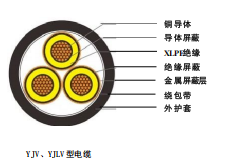

Rated Voltage 6-35kV Cross-linked Polyethylene Insulated Power Cable
TONGDING INTERCONNECTION INFORMATION CO., LTD.
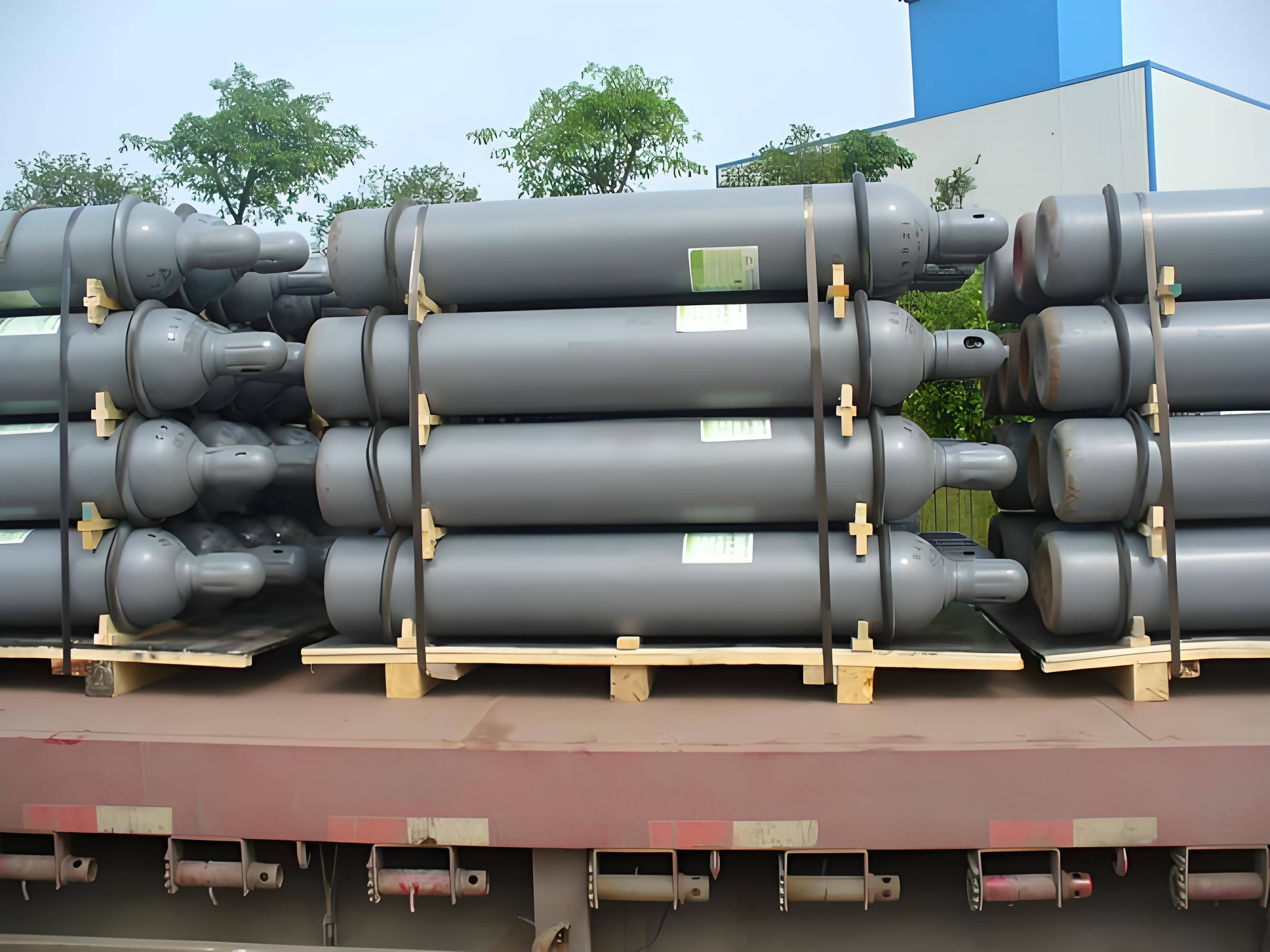
Global Sulfur Hexafluoride Gas Supply and Cylinder Export
Foshan Yuexin Industrial Gas Co., Ltd.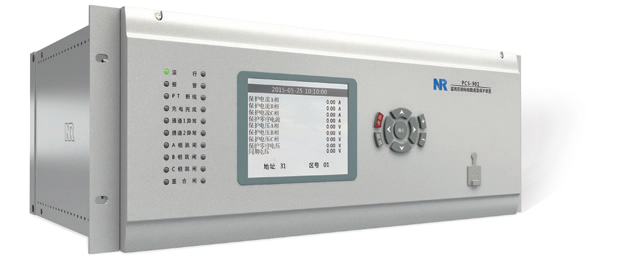
PCS-901 Series Ultra (Extra) High-voltage Transmission Line Complete Protection Device
Nanjing NR Electric Co., Ltd.
Forest and Grassland Heat Source Infrared Monitor
China Huayun Meteorological Technology Group Co., Ltd.
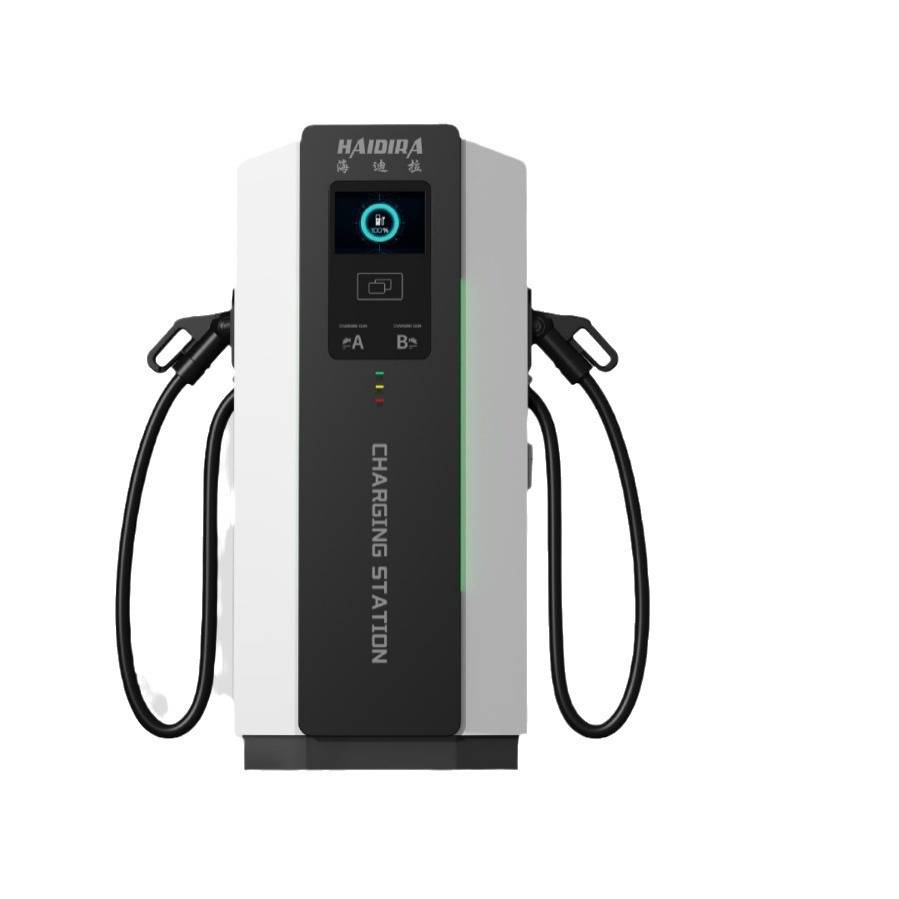
Manufacturer Direct Sales Tesla New Energy Electric Vehicle Universal DC 180kW Dual-gun Charging Pile Commercial Fast Charger
Anhui Haidira Electric Technology Co., Ltd.