US PJM Proposes Interconnection Rule Changes to Utilize ~150 GW of Remaining Interconnection Capacity
en.Wedoany.com Reported - PJM Interconnection is again attempting to modify its interconnection rules to leverage surplus interconnection capacity on existing power facilities, providing a grid connection pathway for new generation and storage projects. The grid operator's earlier push for surplus interconnection service (SIS) rule reforms in early 2025 yielded minimal results.

Surplus interconnection service allows new generating units or energy storage systems to utilize excess capacity interconnection rights on existing power facilities, connecting to the grid at existing interconnection points. Gavin Ahern, co-founder of consulting firm Surplus Interconnection, stated that surplus interconnection reviews can be significantly faster than standard interconnection studies, and using existing interconnection capacity can avoid costly grid upgrades.
According to a PJM presentation updating the status of surplus interconnection requests released in late November, the grid operator has received a total of 8 SIS applications since 2023, of which 2 have been approved. Spokesperson Jeffrey Shields said in an email that, apart from regular briefings to its interconnection process subcommittee, PJM does not release other information regarding surplus interconnection service requests.
Surplus interconnection applications are more active within other grid operators' systems. According to Surplus Interconnection's analysis, as of June 30, the Midcontinent Independent System Operator (MISO) was studying 14.8 GW of surplus interconnection requests, the Southwest Power Pool (SPP) 14.3 GW, western utilities 6 GW, and southeastern utilities 1 GW. PacifiCorp was reviewing 33 projects totaling 5.2 GW across five western U.S. states as of August 13, and has submitted five surplus interconnection agreements to the Federal Energy Regulatory Commission (FERC) for approval over the past 60 days.
The majority of pending surplus interconnection requests at MISO, SPP, and PacifiCorp are battery energy storage projects. MISO already has 44 surplus interconnection projects in operation, while 22 projects are operational within SPP's footprint. Since 2024, MISO projects have taken on average about one year to become operational, while SPP projects have taken nearly two years.
Ahern commented in the report: "The surplus interconnection processes established by MISO and SPP are practically feasible in real-world operations, such as allowing existing generators and surplus generators to operate in parallel at the same interconnection point, which is crucial to whether surplus projects can achieve profitability."
A working paper released in August 2025 by researchers at the University of California, Berkeley shows that PJM's thermal and renewable generation facilities possess surplus interconnection capacity that could support approximately 150 GW of solar, wind, and storage projects, although the elimination of federal tax credits has diminished this potential.
PJM's push for SIS rule changes comes against the backdrop of its two most recent capacity auctions failing to meet reserve margin targets, with the shortfall widening from 6.5 GW in the 2027/28 delivery year (beginning June 1) to approximately 6.8 GW in the 2028/29 delivery year. Grant Glazer, senior manager of regulatory and market affairs at renewable energy and storage developer MN8 Energy, stated that when seeking solutions to fill the gap, resources interconnected through surplus interconnection should be among the priority options considered.
Glazer explained that surplus interconnection provides the fastest pathway for new grid capacity by allowing the use of existing capacity interconnection rights (CIR), and facilities interconnected via SIS require no interconnection upgrades or new interconnection rights, resulting in lower costs. However, PJM's current rules do not provide a viable pathway for surplus capacity addition projects to obtain CIR associated with existing generating units. He cited the example of adding a battery system to a solar power plant: when participating in the market as a co-located resource, the battery cannot obtain the CIR required to participate in PJM's capacity market; when participating as a hybrid resource, the entire resource has only one market participation ID, making it impossible to distinguish which resource is participating in the energy and ancillary services markets, thereby complicating settlement of existing resources' offtake agreements.
To address this issue, PJM staff earlier this month proposed in a draft "issue charge" under consideration the possibility of allowing hybrid resources that participate in the capacity market as a single resource to participate in the energy and ancillary services markets as separate resources. The relevant rule changes would be developed by PJM's Market Implementation Committee.
Glazer stated that the plan would provide a "viable" pathway for many potential projects. Clean energy trade organization Advanced Energy United (AEU) expressed support, with its senior director Jon Gordon stating: "We believe these fixes are relatively straightforward, and given PJM's extreme need for new resources, we are optimistic about this development." According to Glazer, MN8 has been searching its portfolio for projects where capacity interconnection rights are underutilized, noting that many PJM solar projects have CIR covering only 40% to 60% of nameplate capacity, leaving room for surplus interconnection. Declining battery costs and growing capacity resource demand driven by large loads have also enhanced the attractiveness of this pathway.
To advance surplus interconnection applications, Indiana and Virginia have passed laws this year directing utilities within their respective states to study the potential for surplus interconnection in their systems. Gavin Ahern stated that utilities may also view surplus interconnection as a pathway to add capacity at their own generating plants—whether solar facilities or thermal units—because "they are certainly receptive to it; they have received interconnection requests from large loads and/or are already facing capacity shortfalls in their own systems."
Related Products


220kV and Below Voltage Level Energy-saving Oil-immersed Power Transformers
FuZhou TianYu Electric Co., Ltd.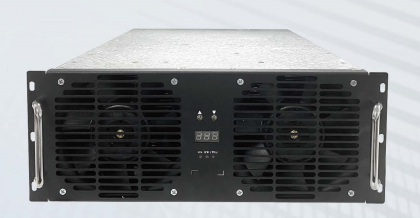
80kW Megawatt Supercharging Module TH80F10030C9
Shijiazhuang Tonhe Electronics Technologies Co., Ltd.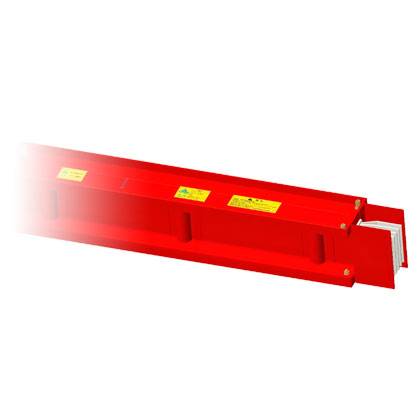
Mineral-insulated Compact Busway (Fire-resistant Busduct)
Zhuhai Guangle Electric Busway Co., Ltd.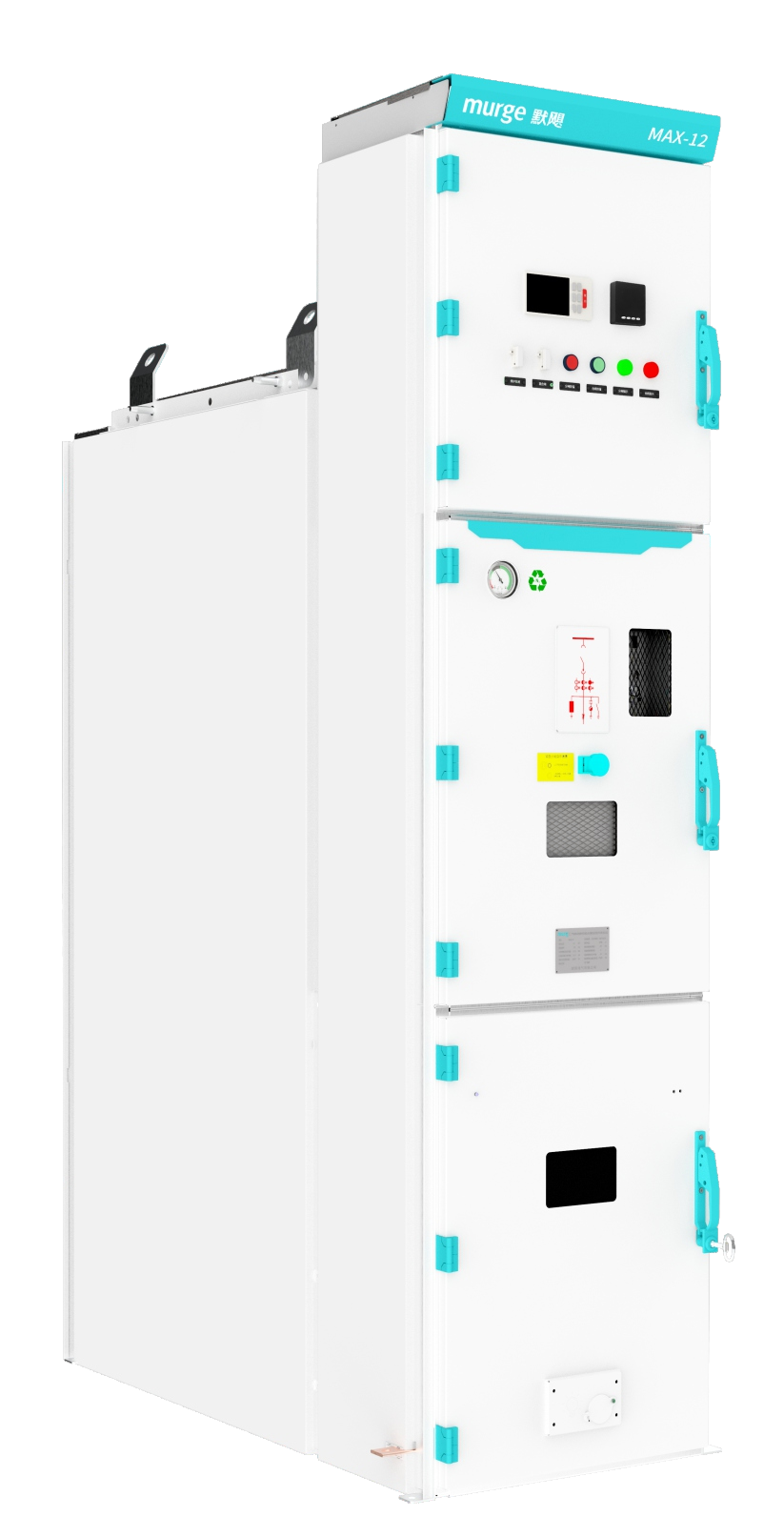
MAX-12 series Environmental Protection/SF6 gas insulated switchgear (C-GIS)
Murge Electric Co.,Ltd.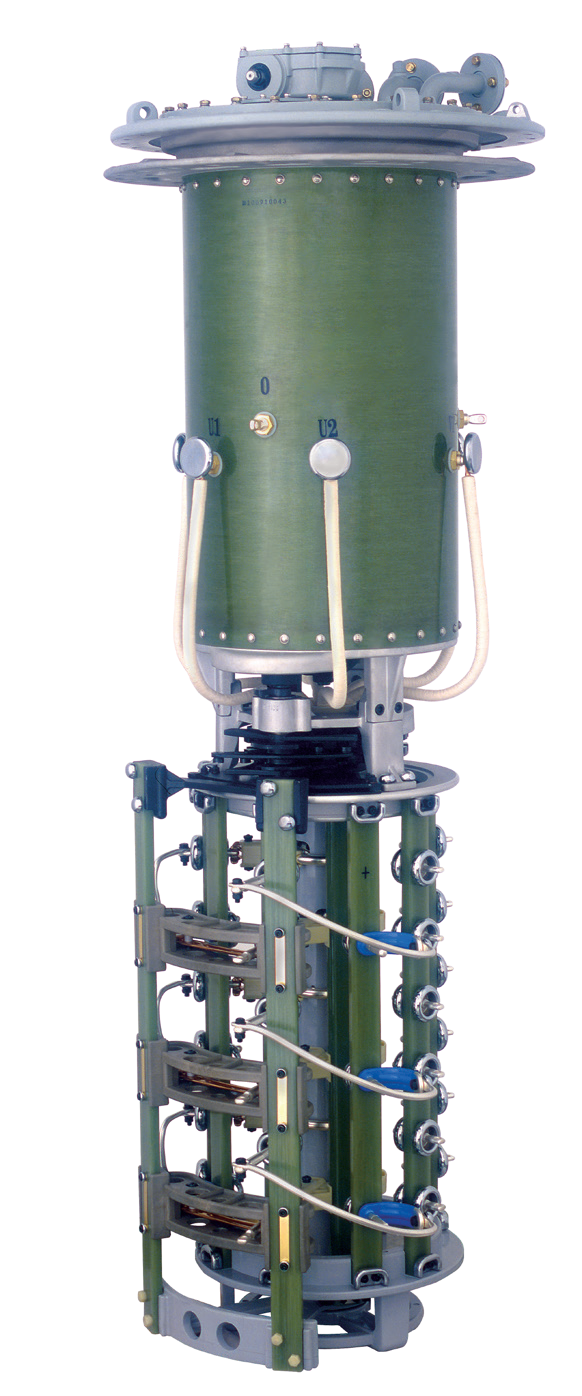
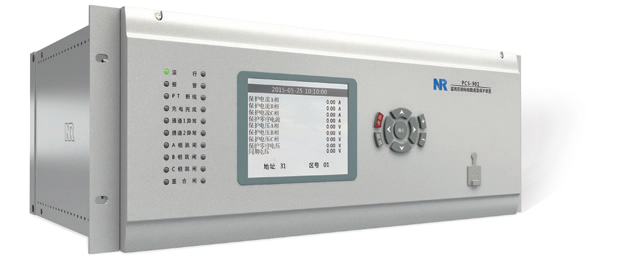
PCS-901 Series Ultra (Extra) High-voltage Transmission Line Complete Protection Device
Nanjing NR Electric Co., Ltd.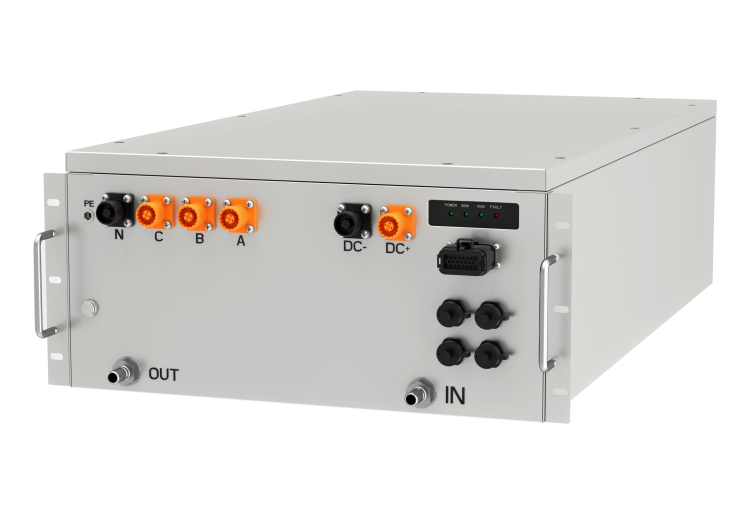
Mars (Liquid Cooling) Series Industrial and Commercial Energy Storage Converter High Protection Module
Shenzhen Winline Technology Co., Ltd.
Jiujiang Pinggang 125MW Subcritical Gas Power Generation Project
Capital Engineering & Research Incorporation Limited