2026 Spanish Farm Installs 257 kWh Storage, Cutting Electricity Bills by 75%–80%
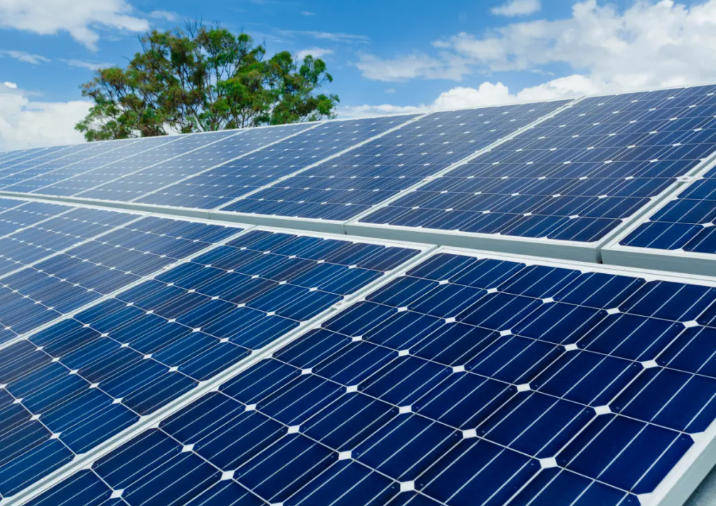
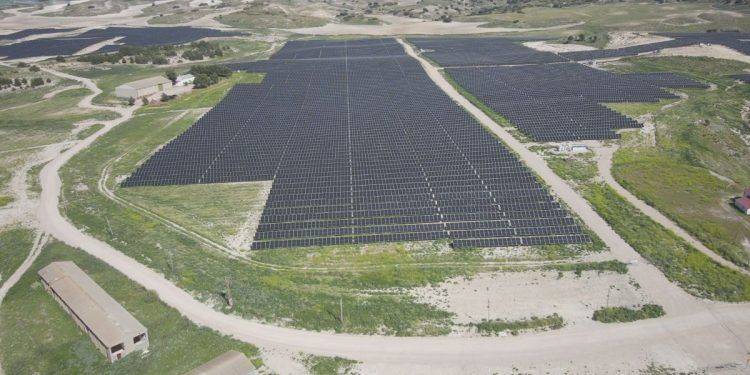
en.Wedoany.com Reported - In July 2026, Finca La Cuesta farm in Puebla del Príncipe, Ciudad Real, Spain, completed the second phase of its self-consumption energy project. The project combines 150 kW of photovoltaic generation with a 125 kW/257 kWh battery energy storage system (BESS), executed by Elecnor with equipment supplied by Suministros Orduña, aiming to reduce the farm's electricity bills by 75% to 80%. The project addresses the high and relatively stable electricity demand of agro-industrial facilities, covering pumping and daily operational needs.
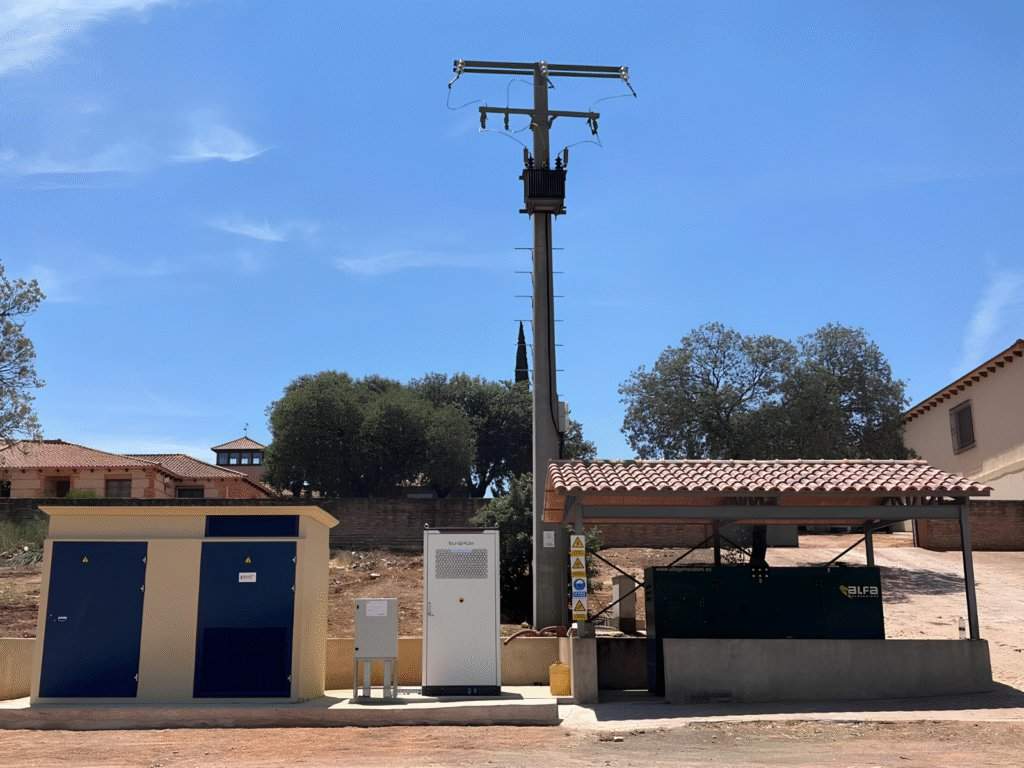
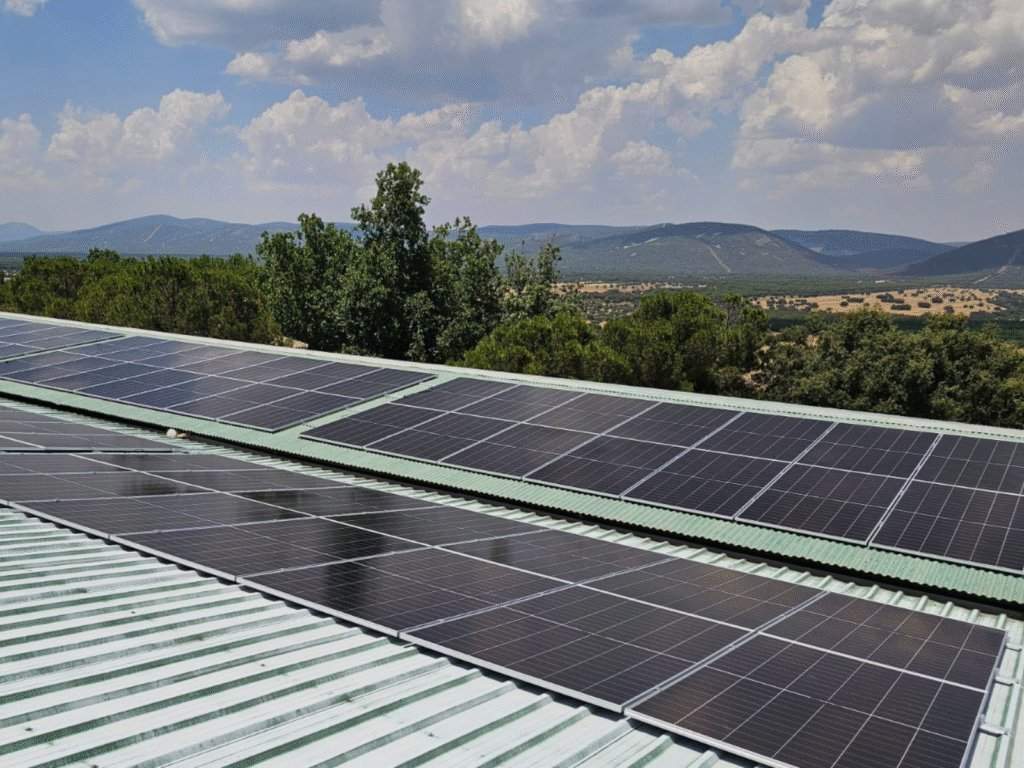
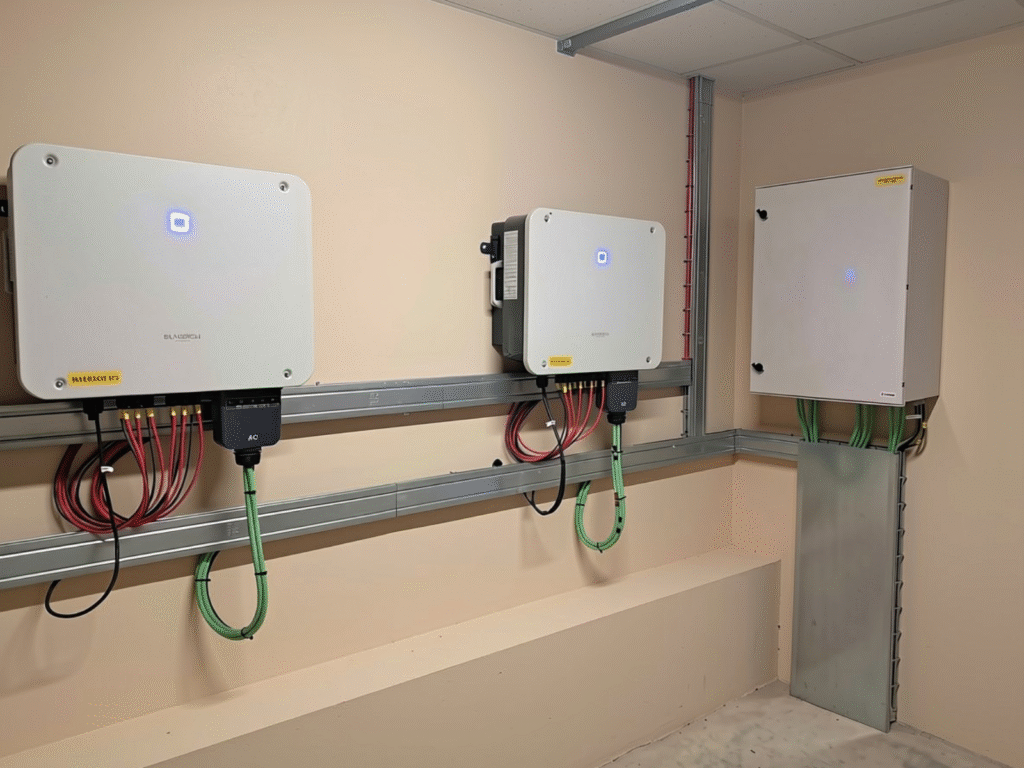
The project was built in two phases. The first phase, completed in July 2025, achieved 150 kW of photovoltaic capacity using three Sungrow SG50CX-P2 inverters (50 kW each), reducing electricity bills by an initial 30% to 35%. After analyzing the farm's consumption profile for one year, the project added a 125 kW/257 kWh storage system to increase the share of photovoltaic energy used directly or via storage, avoiding surplus power being fed into the grid during peak irradiance hours and repurchasing electricity when solar generation is insufficient.
The storage system uses the Sungrow PowerStack ST255CS, an AC-coupled energy storage system designed for commercial and industrial applications. It can charge using surplus photovoltaic power and release energy later based on consumption needs and the established energy strategy. On the generation side, each of the three SG50CX-P2 inverters features four independent MPPT trackers, allowing separate management of different PV strings to optimize generation when orientation, irradiance, or operating conditions vary.
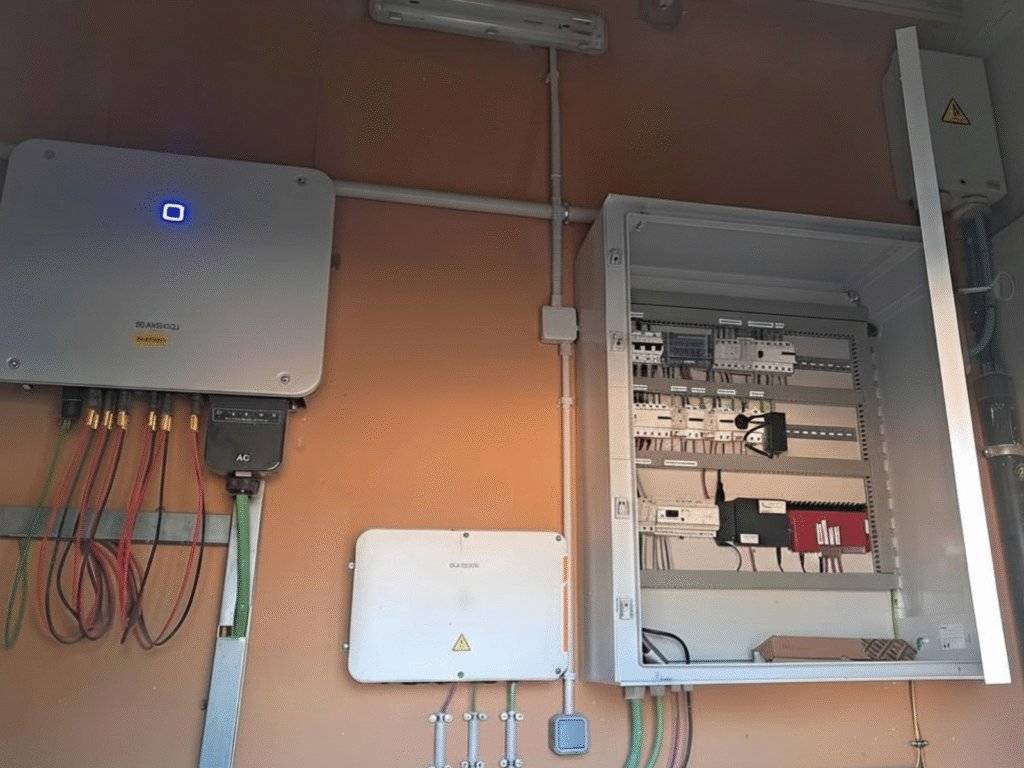
The main technical challenge of the project lies not only in equipment installation but also in energy integration and coordination. The three PV inverters, the PowerStack, and the EMS300 energy management system must exchange information to adapt storage operation to the farm's changing consumption demands. This architecture enables the battery to respond to consumption variations, improving photovoltaic energy utilization efficiency. Energy management thus becomes key to maximizing the economic value of the BESS, determining charge and discharge timing based on PV generation, consumption demand, and electricity market conditions.
The next phase plans to further optimize the system through time-of-use arbitrage. Based on data recorded by the iSolarCloud monitoring platform, EMS300 parameters can be adjusted while considering the consumption profile, time-of-use tariffs, capacity charges, and grid access fees. The project estimates this strategy could increase facility returns by 10% to 15%. Monitoring also allows evaluation of actual system performance and gradual adjustment of BESS operating parameters. The farm can also expand storage capacity by adding PowerStack units, with a medium-term goal of achieving near-100% electrical self-sufficiency.
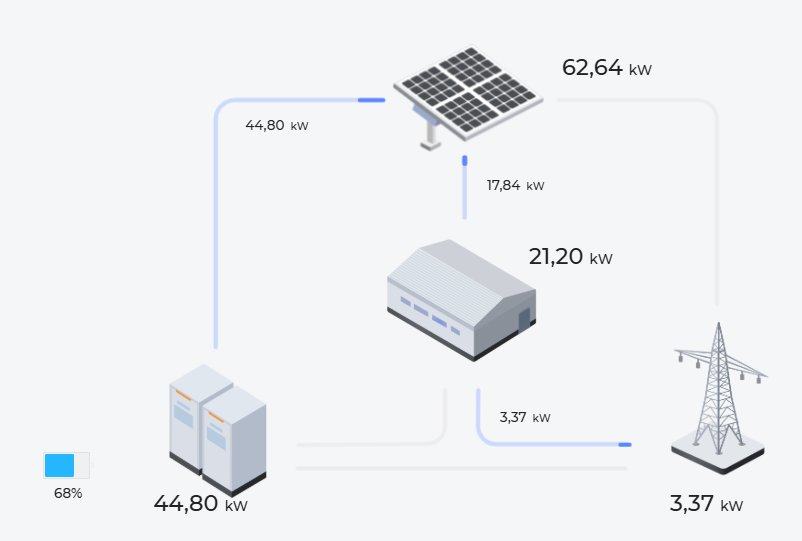
The system is expected to reduce electricity bills by 75% to 80%, mitigate the impact of electricity price volatility, and utilize a greater share of locally produced renewable energy. At the same time, associated CO2 emissions will be reduced, and plant performance and storage system status will be continuously monitored. The project also validates the importance of sizing the BESS based on actual consumption data, rather than treating storage as a standalone element independent of generation.
Related Products


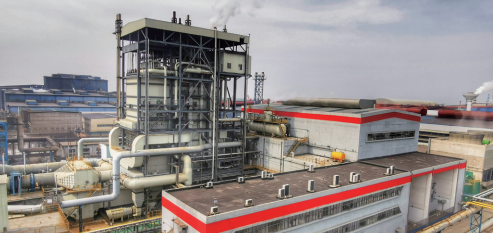
Jiujiang Pinggang 125MW Subcritical Gas Power Generation Project
Capital Engineering & Research Incorporation Limited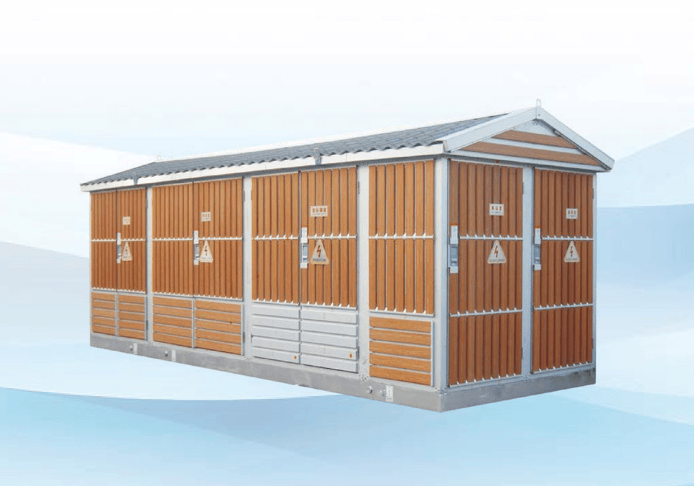
YB □ -12/0.4/1250 Outdoor Prefabricated Substation (European Style)
Shangrao Shangyu Intelligent Electric Co., Ltd.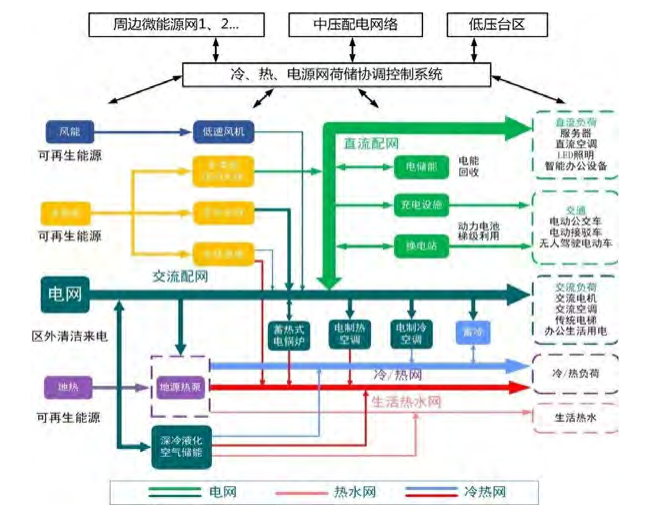
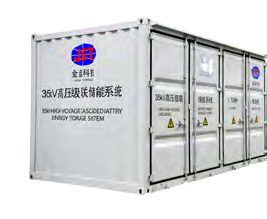
6kV-35kV Medium and High Voltage Direct-Connected Energy Storage System
Hainan Jinpan Smart Technology Co., Ltd.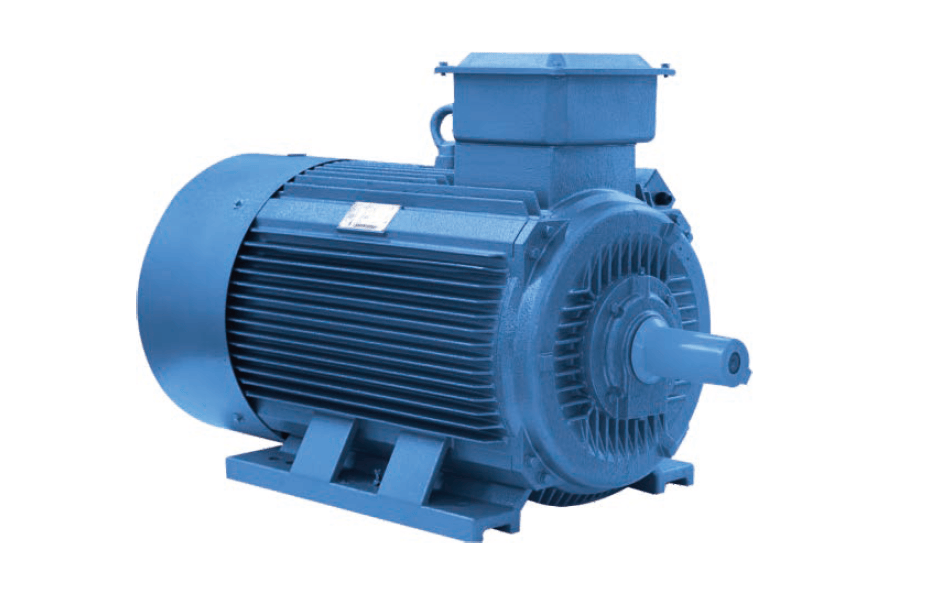
TYC Series High-Efficiency Permanent Magnet Synchronous Motor
Xiangdian Smart Energy Technology Co., Ltd.

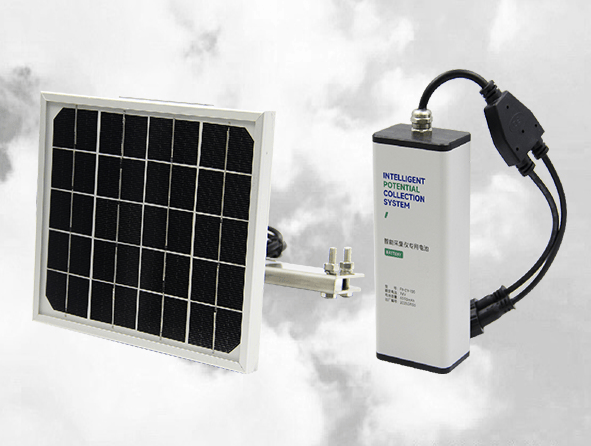
Inductive Power Harvesting Self-Powered Device - Safuneng
SELF ENERGY TECHNOLOGY (SHENZHEN) CO., LTD.
Smart Photovoltaic Prefabricated Substation
Shanghai Jinyou Jinhong Intelligent Electric Co., Ltd.