US Qcells Invests $2.5 Billion in New Cell Manufacturing at Georgia Plant in June
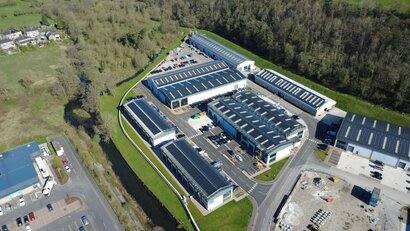
en.Wedoany.com Reported - South Korean solar company Qcells has expanded operations at its Cartersville, Georgia, facility since June this year, adding cell manufacturing to its existing module assembly operations, consolidating the entire solar panel production process within a single site. The U.S. solar industry now gains integrated domestic manufacturing capability from cells to modules.
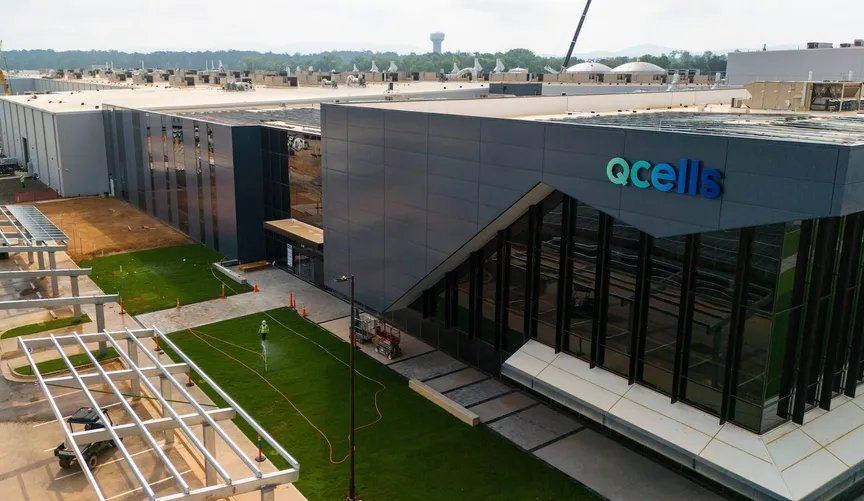
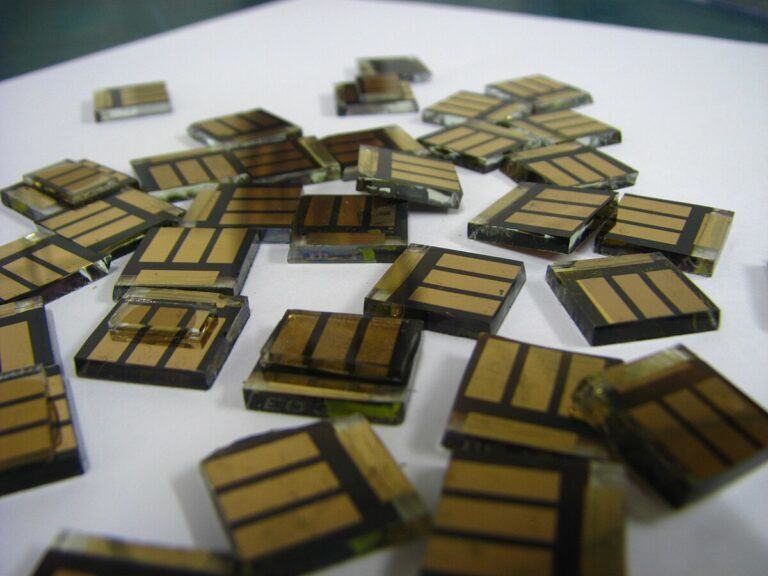
The plant is located about an hour's drive northwest of Atlanta. On the production line, workers work alongside robots as ultra-thin polysilicon wafers pass through a series of machines and chemical baths to become paper-thin blue solar cells. Scott Bell of Qcells explains that the $2.5 billion investment, 3.5 million gallons of water, 90 megawatts of electricity, 60 tons of on-site chemicals, and infrastructure equivalent to the size of a football field are all ultimately dedicated to producing this fundamental building block of solar panels.
Since the 2010s, China has dominated solar panel manufacturing, with its products priced far below those of other manufacturers and flowing into global markets in large volumes. The United States is now attempting to revive domestic solar manufacturing, citing concerns over national security, labor practices, and job creation.
The Trump administration has planned new tariffs on polysilicon, a key raw material for solar cells, and has set a minimum import price, with measures set to take effect in December.
Ben Damiani, chief technology officer of Atlanta-based solar developer Cherry Street Energy and a solar manufacturing expert, says having a complete supply chain is critical, and the biggest obstacle comes from the constant policy shifts within the United States itself.
The two U.S. administrations have taken different approaches to promoting domestic manufacturing. The Biden administration rewarded projects using American-made solar panels through the 2022 Inflation Reduction Act (IRA), which Qcells cites as the primary reason for building the Cartersville plant. The Trump administration, through the One Big Beautiful Bill Act (OBBBA), has repealed most tax credits while disqualifying solar equipment from certain countries, including China, from accessing the remaining credits.
Coco Zhang, a researcher at ING, notes that the ultimate goals of the two policy approaches are aligned, but policy volatility is putting pressure on companies. Qcells has already invested billions of dollars in the facility, which took more than three years to bring online; for companies with less capital or unfavorable timing, supply-side incentives may still be insufficient, and these companies will bear the brunt if policy shifts again.
OBBBA also closed a loophole in the IRA that allowed Chinese solar companies to set up factories directly in the U.S. Zhang believes this change could further eliminate Chinese competition; in the long term, she is optimistic about the U.S. solar panel industry shifting toward domestic production, but foreign ownership restrictions penetrating deeper into the supply chain, combined with policy swings, will make the near-term landscape more difficult to navigate.
For solar panel buyers, the near-term outlook is equally complex. The phase-out of federal clean energy tax credits, the withdrawal of federal funding, and new obstacles to installing solar and wind facilities on federal land are all dampening new project development. Courts have blocked or reversed some of these actions, but project delays still add costs and uncertainty.
According to data from clean energy advocacy group E2, nearly $13 billion in investments in solar, wind, and battery projects were abandoned in the first quarter of this year; during the same period, companies announced approximately $18 billion in new projects in a rush to complete them before tax credits expire. Zhang says that while tariffs on polysilicon and minimum import prices will help U.S. manufacturers compete for remaining projects, they will raise costs for developers—with limited domestic supply, many companies will still rely on imports and bear higher expenses.
Industry experts believe solar power expansion will not stop. Amid rapidly growing energy demand, solar remains one of the cheapest sources of electricity, module inventories are ample, and gas turbine orders are already backlogged for years. According to data from the Solar Energy Industries Association, solar and storage accounted for 90% of new generating capacity added to the U.S. grid in the first quarter of this year. Damiani says solar is the fastest-to-deploy, lowest-cost, and most predictable form of power generation, and it will continue to hold a significant share of the energy mix for the next century. The consensus among experts is that the question is no longer whether solar development will continue, but at what pace, at what cost, and who manufactures the panels and where.
Related Products

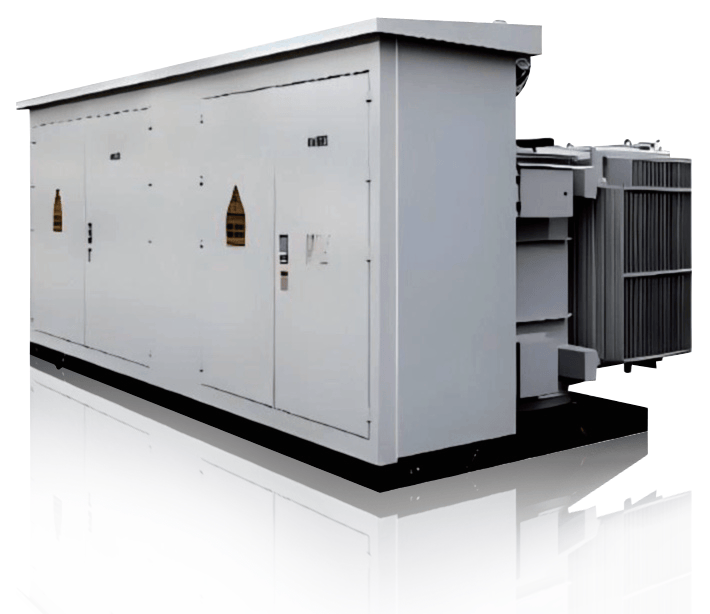
H-40.5/0.4~1.14kV New Energy Power Generation Dedicated High Voltage/Low Voltage Prefabricated Substation
XJ (Xiamen) Intelligent Power Equipment Co., Ltd.
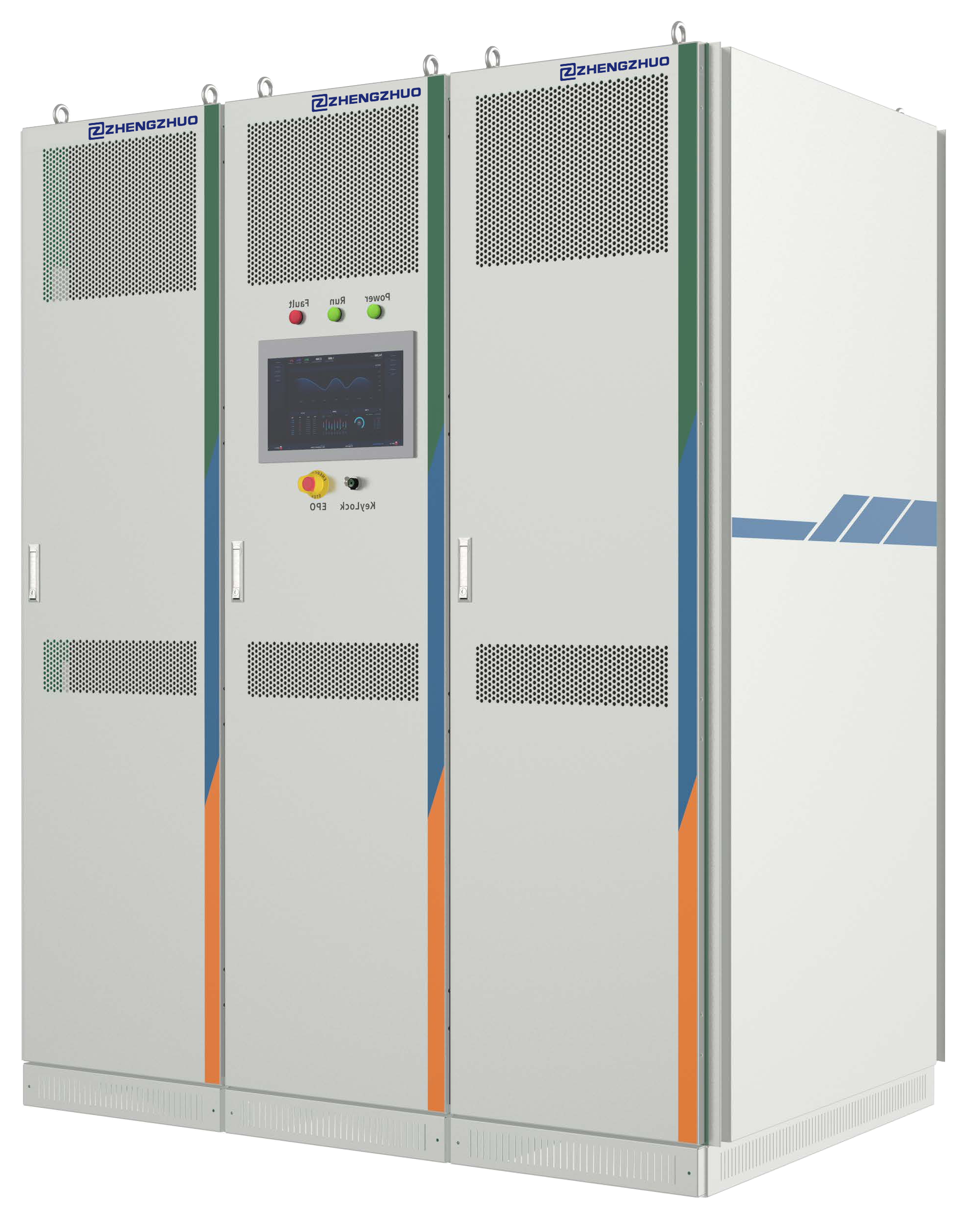
IGBT Hydrogen Production Power Supply - High Power Air Cooling
Beijing Zhengzhuo Engineering Technology Co., Ltd.
YE3 Series Low Voltage High Power Three-Phase Asynchronous Motor
Shandong Lijiu Electrical Machinery Co., Ltd.