UNSW Australia Launches Outdoor Testing of 160 Perovskite Modules
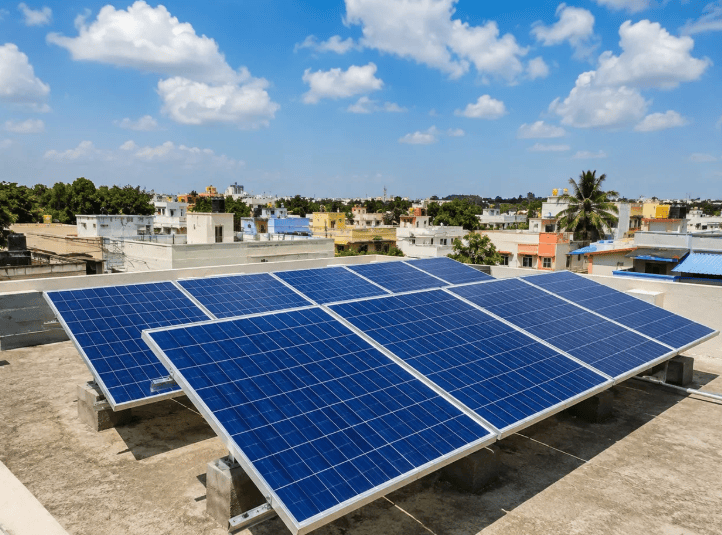
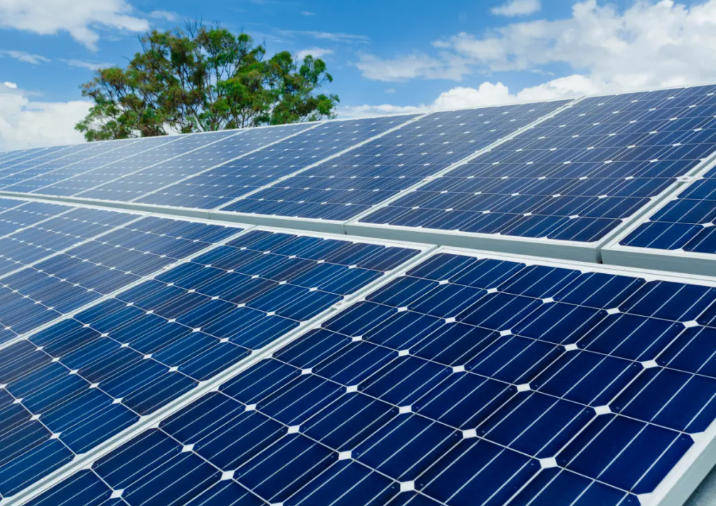
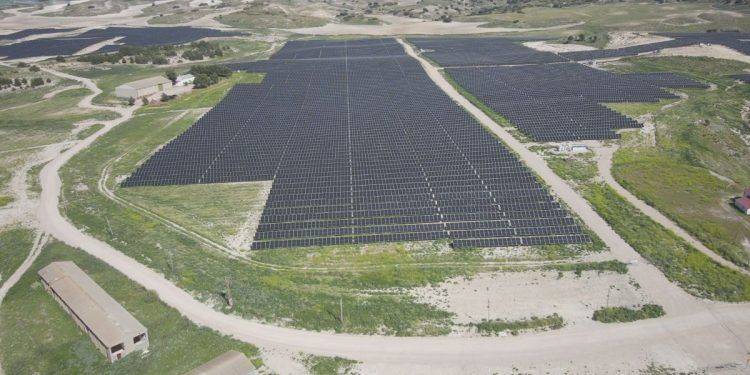
en.Wedoany.com Reported - The University of New South Wales (UNSW Sydney) in Australia is conducting outdoor field testing of commercial-sized perovskite and perovskite-silicon tandem photovoltaic modules at the Manly Vale Water Research Laboratory in northern Sydney, with plans to install up to 160 next-generation photovoltaic modules on a 25-meter × 25-meter site. The project has a total investment of AUD 18 million, of which the Australian Renewable Energy Agency (ARENA) is providing AUD 5.6 million in funding. The project commenced in August 2026 and is planned to run until November 2031.
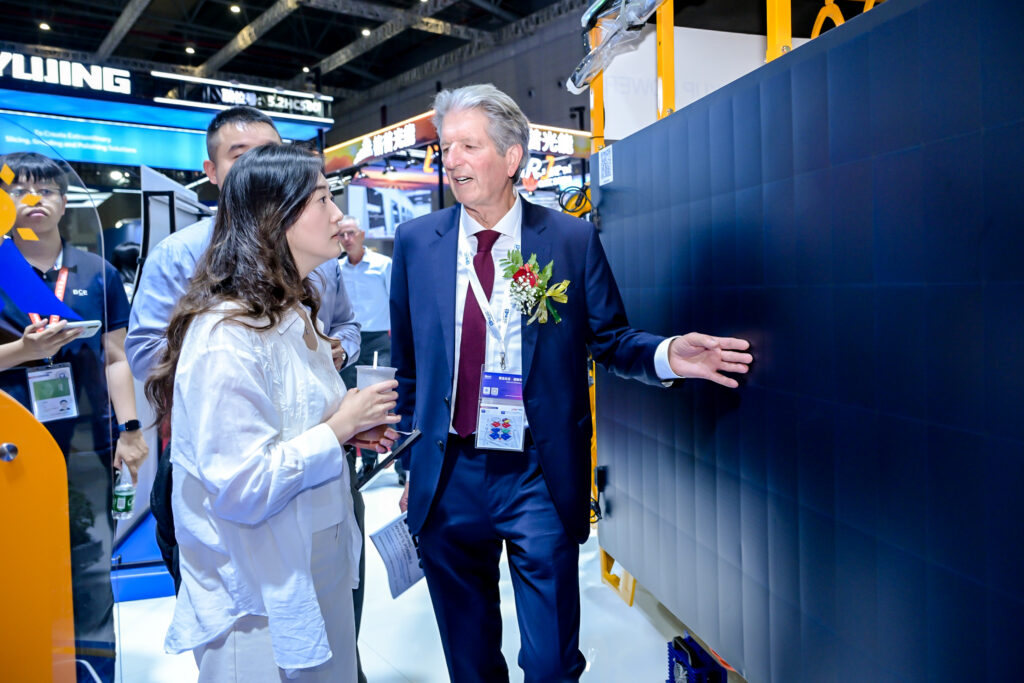
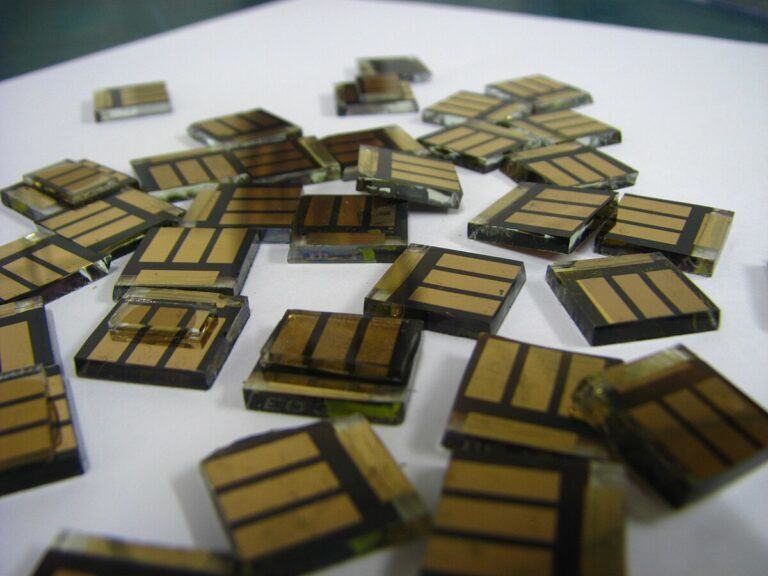
The test subjects come from multiple photovoltaic module manufacturers, covering single-junction perovskite modules as well as various perovskite-silicon tandem modules. The tandem products include structures in which the perovskite layer is directly integrated onto the silicon cell, as well as structures formed by physically stacking separate perovskite and silicon devices. Project partners include China's Trina Solar, Microquanta, the UK's University of Surrey, and Australia's Commonwealth Scientific and Industrial Research Organisation (CSIRO). Some other module suppliers have not been disclosed due to confidentiality agreements.
During the outdoor testing period, the various modules will be continuously exposed to environmental conditions such as temperature variations, humidity, intense ultraviolet radiation, rainfall, salt-laden air, and storms. The research team will continuously monitor the output performance of each module and has set 80% of the initial efficiency as the key performance benchmark. When a module's output drops below this level, it will be recorded as significant degradation. UNSW has already observed differences among different products in terms of operating status and failure modes, and testing will continue according to the actual lifespan of each module.
After obtaining outdoor operation data, the research team will reconstruct the relevant thermal, light, and humidity conditions in the laboratory and use accelerated testing to further reproduce the module degradation process. Subsequently, microscopic and nanoscale analysis will be used to determine the performance degradation mechanisms within the materials, and the test results will then be fed back to module manufacturers for adjusting material systems, module structures, or manufacturing processes. The modified modules can re-enter the UNSW testing process.
ARENA project documents show that this round of research simultaneously conducts outdoor testing, laboratory analysis, and accelerated aging tests, and compares performance data across different test environments. The project collaboration period runs from August 7, 2026, to November 10, 2031, and will continue to generate stability, degradation, and long-term outdoor operation data for different commercial perovskite and tandem modules.
Related Products

TYC Series High-Efficiency Permanent Magnet Synchronous Motor
Xiangdian Smart Energy Technology Co., Ltd.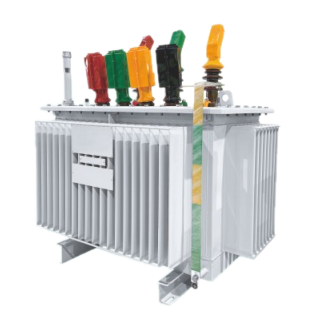
IS(B)□-M·RL Series Oil-immersed 3D Transformer (Planar / 3D Wound Core)
Guangdong Kehua Electric Power Technology Co., Ltd.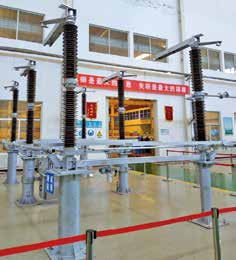
GW4-40.5/72.5/126/145/170/252/363/420 Series Double-column Horizontal Rotary High-voltage AC Disconnect Switch
SHANDONG TAIKAI DISCONNECTORS CO., LTD.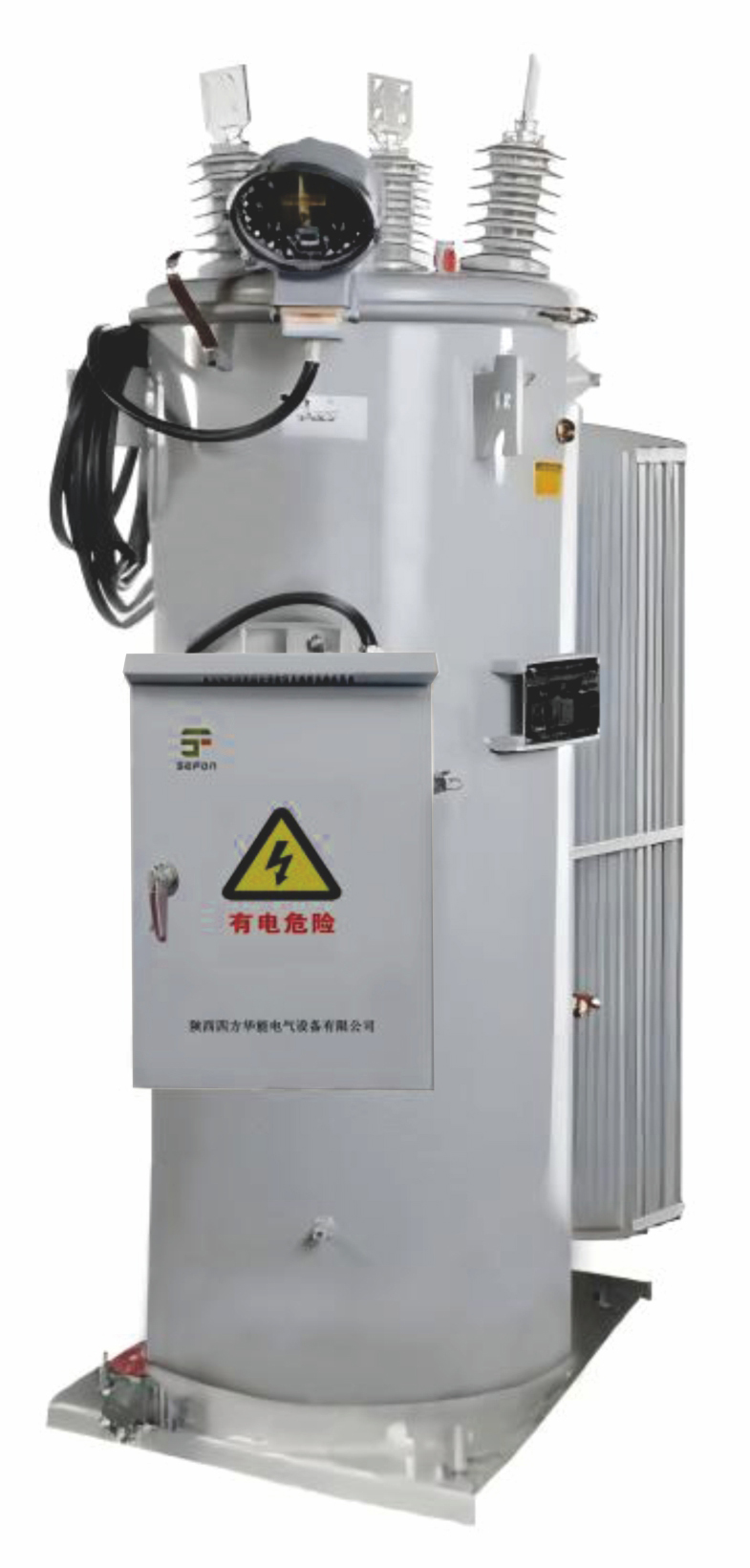
Single-Phase Automatic Voltage Regulator(AVR)
Shaanxi Sefon Electrical Equipment Co.,Ltd.
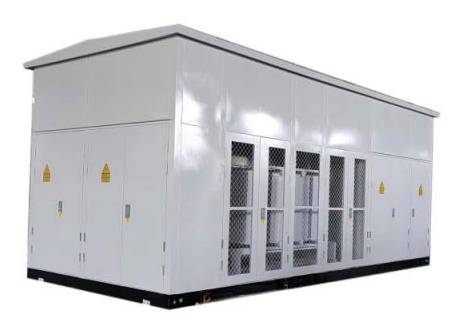
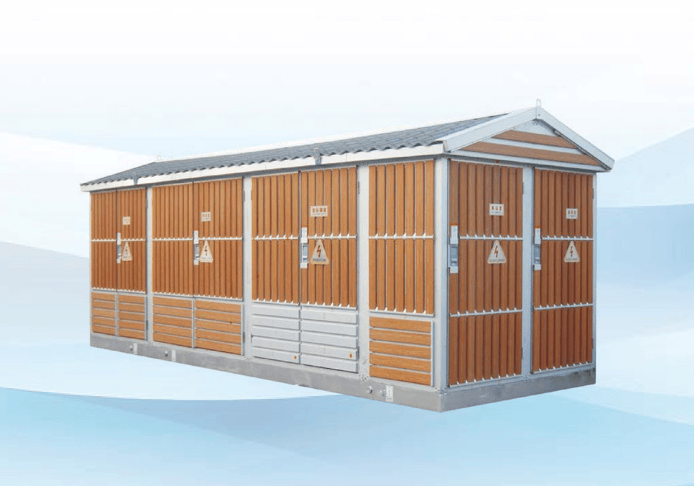
YB □ -12/0.4/1250 Outdoor Prefabricated Substation (European Style)
Shangrao Shangyu Intelligent Electric Co., Ltd.
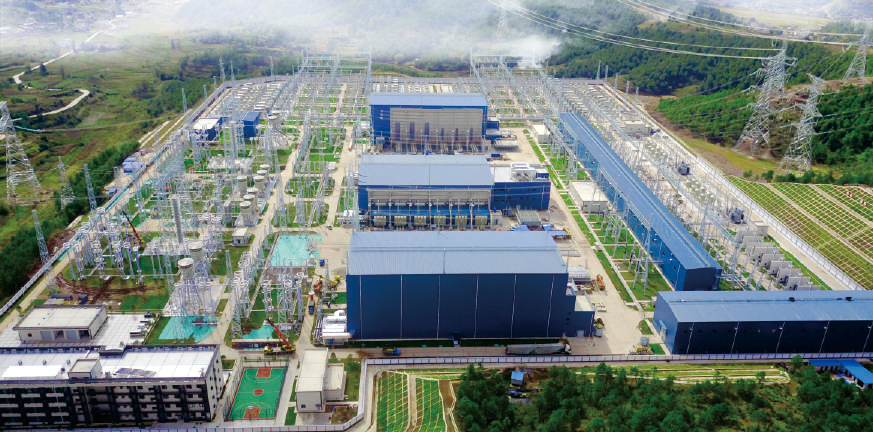
High-voltage Direct Current (HVDC) Transmission System Research and Integrated Design
XI'AN XD POWER SYSTEMS CO., LTD.