U.S. Community Solar Capacity Reaches 11 GW Across 43 States
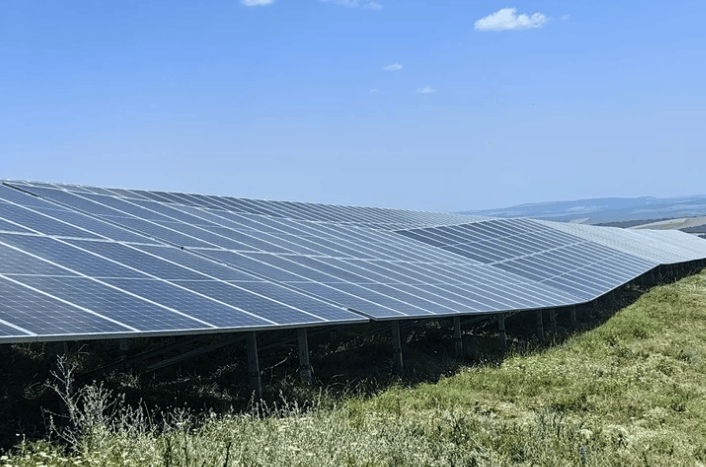
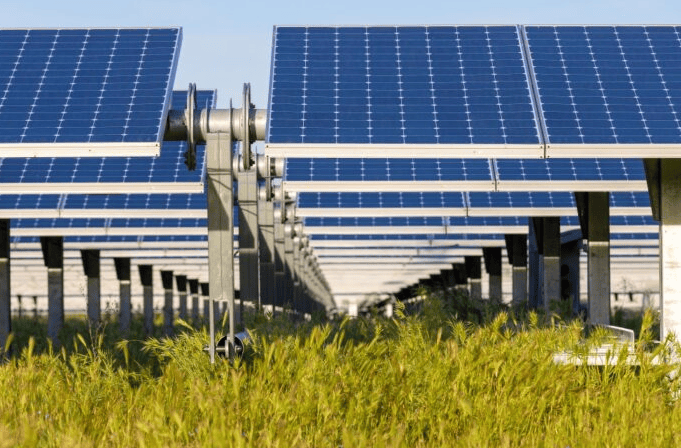
en.Wedoany.com Reported - Community solar has grown into one of the fastest-growing segments of the U.S. solar industry, with projects spanning 43 states and Washington, D.C., and reaching 11 gigawatts of alternating current (GW-AC) of installed capacity. Also known as solar gardens or shared solar, this model allows multiple users to share the electricity generated by a single off-site solar array.
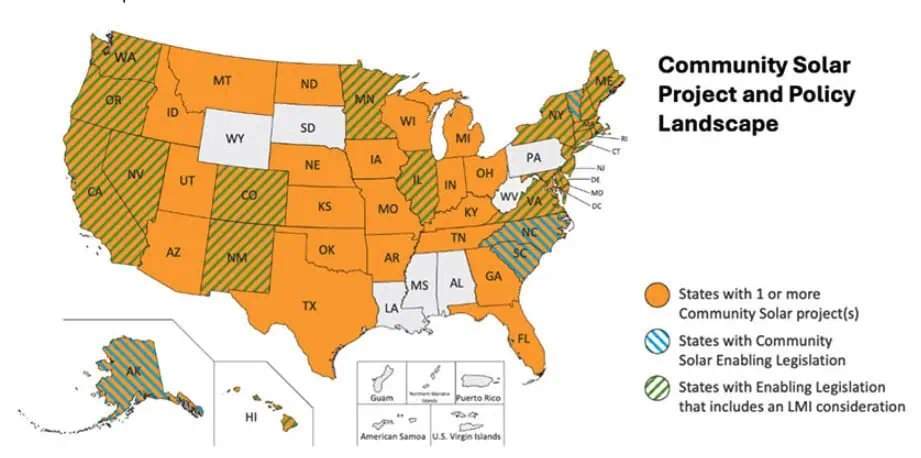
In the United States, many households and businesses are unable to install rooftop solar due to renting, roof conditions, shading, or building type. Community solar provides an alternative path for these users by supplying energy to multiple customers through shared off-site arrays and reducing their electricity bills. The National Renewable Energy Laboratory (NREL) defines community solar as a solar electric system that provides power and/or financial benefits to multiple community members.
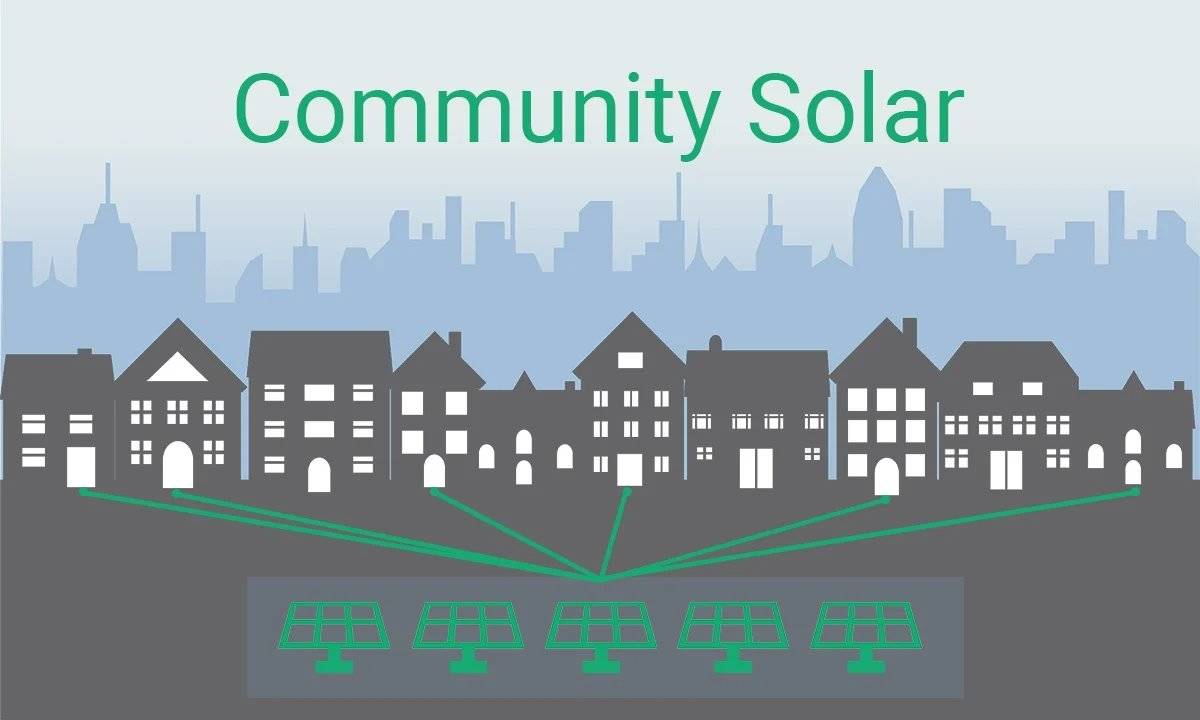
In terms of user participation, community solar is primarily divided into subscription-based and ownership-based models. Under the ownership model, customers pay upfront to purchase a specific share of the array and receive bill credits based on the actual electricity generated by that share. Under the subscription model, the project is owned by a third party, and members subscribe to a portion of the generated electricity at a rate lower than the local utility rate without any upfront investment, enabling immediate savings. Low-income groups can also gain access to solar benefits through this model.
Based on project ownership and management entities, NREL has identified three models. The utility-sponsored model is owned or operated by a utility company and offers voluntary participation to customers, who receive prorated bill credits after prepaying or subscribing, but do not hold project ownership. The nonprofit model is developed and operated by nonprofit organizations on behalf of members, and may also partner with for-profit third parties, with the latter holding the system and utilizing tax incentives. It can also support development through donations, though the donation model does not strictly qualify as community solar because donors do not directly benefit from the electricity generated. The special purpose entity (SPE) model involves individuals jointly forming a commercial enterprise to develop the project, and registering as a business allows access to tax incentives, but entails corresponding legal and financial compliance costs.
Community solar projects must also navigate securities regulation constraints. Arrangements involving financial investment with an expectation of profits derived from the efforts of others are deemed securities and are subject to federal and state securities laws. Ensuring compliance with securities regulations can significantly increase the time and cost of project development, and failure to comply may expose participants to legal liability. To avoid triggering securities classification, developers typically limit participation to specific geographic areas and cap the energy received at no more than the participant's annual consumption. NREL's Community Shared Solar Guide serves as an introductory reference for understanding the relevant legal implications.
Over the past few years, community solar has grown from nearly nonexistent to serving thousands of customers nationwide, reaching populations that cannot use rooftop systems. This model is not only a way to expand the electricity supply with sustainable, local energy, but also carries significant equity implications—it provides clean power with low or zero upfront costs, without requiring credit ratings or property ownership, opening solar access to groups that have traditionally had limited opportunities. As a result, it has become one of the largest growth opportunities in the U.S. solar industry.