Germany's SuedLink Tunnel Completed, 4 GW Capacity to Go Live in 2028
en.Wedoany.com Reported - TenneT Germany has completed the tunnel drive for the SuedLink Elbe crossing. The tunnel, named ElbX, is approximately 5.2 kilometers long, extending from Wewelsfleth in Schleswig-Holstein to Wischhafen in Lower Saxony, connecting the two SuedLink construction sections of the two states.
The tunnel boring machine, built specifically for SuedLink and measuring approximately 200 meters in length, started from Wewelsfleth in February 2025 and reached the target shaft in Wischhafen in June 2026. After the tunnel boring machine was recovered and dismantled, the tunnel is now being prepared for the subsequent cable installation work.
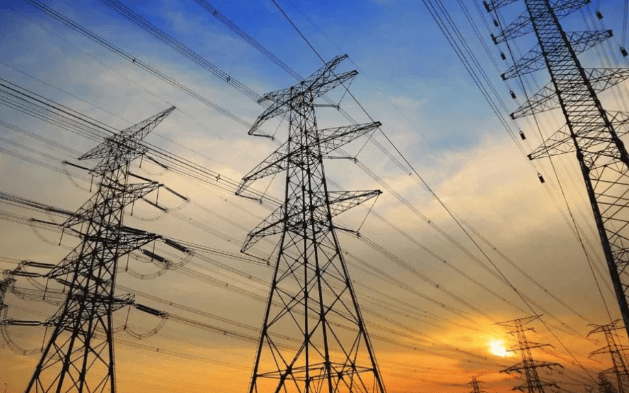
Ina Kamps, Chief Operating Officer of TenneT Germany, stated that with ElbX, a key component for the realization of SuedLink has been achieved; SuedLink is one of the most important projects for Germany's energy transition and will in the future primarily transport large amounts of wind power generated in the north to consumption centers in the south.
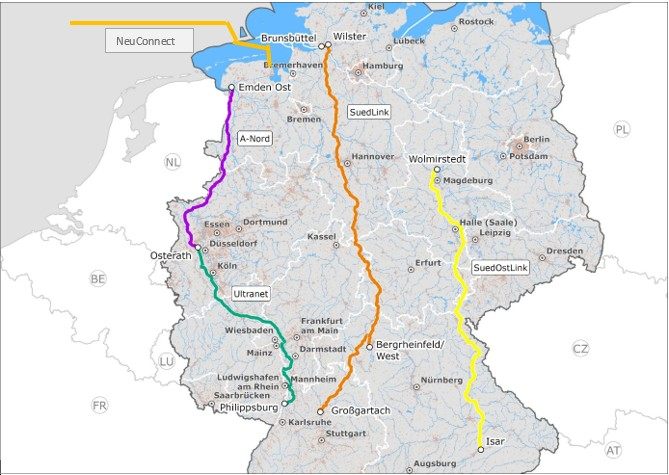
Six cables will be installed in the tunnel: two cables for each of the two SuedLink circuits, plus one spare cable for each. The total length of this route is approximately 700 kilometers, and it is being built jointly by TenneT Germany and TransnetBW, with a total transmission capacity of 4 gigawatts (GW), scheduled to go into operation at the end of 2028.
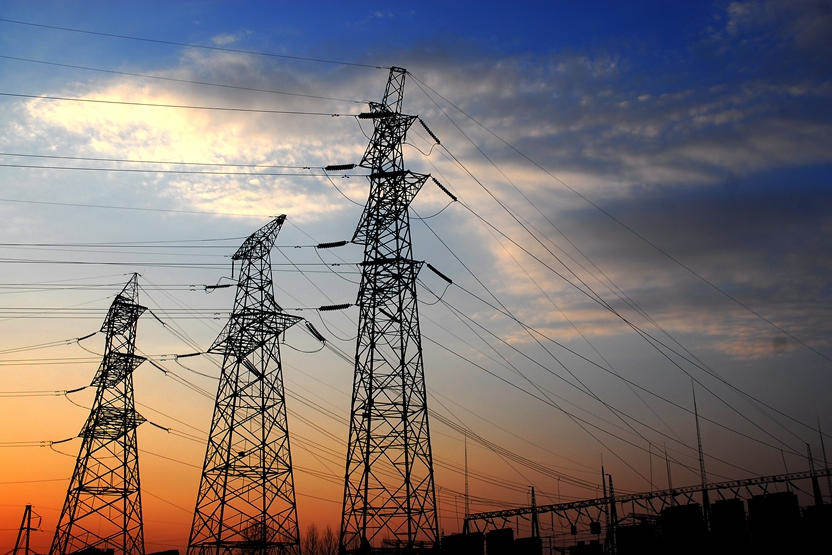
Germany's important north-south transmission lines are being completed one after another. Ultranet, with a transmission capacity of approximately 2 GW, is expected to go into operation in 2026 and will be one of the first large-scale HVDC transmission lines to be commissioned; A-Nord, also with a rated capacity of 2 GW, is planned to go into operation in 2027; SuedLink will go into operation with 4 GW at the end of 2028. SuedOstLink will also initially go into operation with 2 GW; this line has a designed total capacity of 4 GW and will be expanded in the future with a second 2 GW system. These HVDC lines will increase transmission capacity between the wind-rich regions in the north and the major consumption centers in the west and south. It is expected that grid bottlenecks will consequently decrease, as will the need for redispatch and the curtailment of renewable energy.
These north-south HVDC lines are approximately six years behind the original schedule. The additional transmission capacity should have been available in time before the nuclear power phase-out — according to the 13th Amendment to the Atomic Energy Act (13. AtGÄndG) of July 31, 2011, Germany's statutory nuclear power phase-out was set for the end of 2022. In 2015, the grand coalition of the CDU/CSU and SPD, at the urging of then-Bavarian Minister-President Horst Seehofer (CSU), decided to prioritize underground cable construction for the major HVDC lines, which meant that much of the planning had to be redone. The switch from overhead lines to underground cables brought additional costs in the billions of euros and was a major factor in the approximately six-year delay of the grid expansion.
Related Products


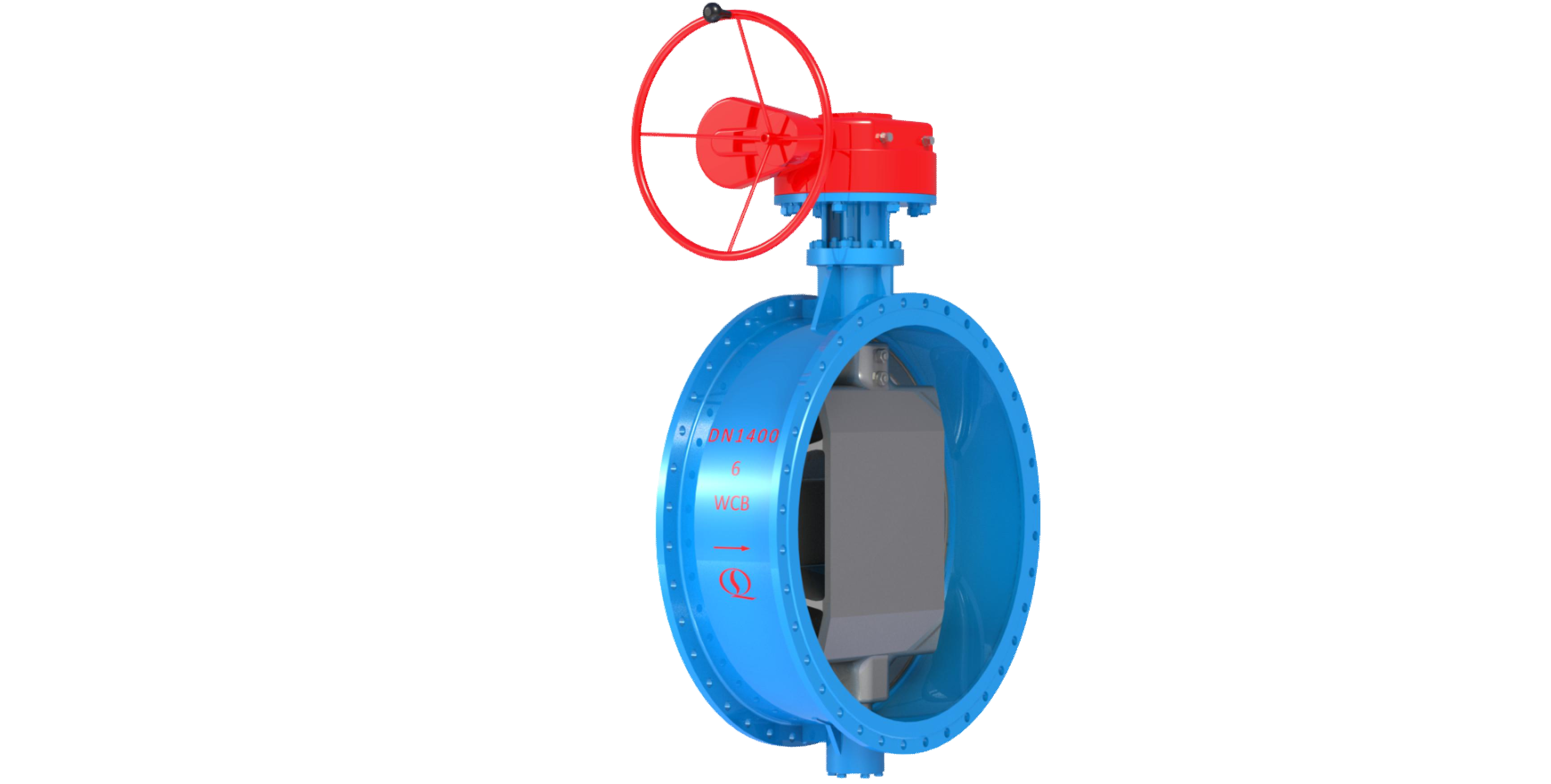
Bidirectional Metal Hard Sealed Seawater Butterfly Valve
Henan Quanshun Flow Control Science & Technology Co., Ltd.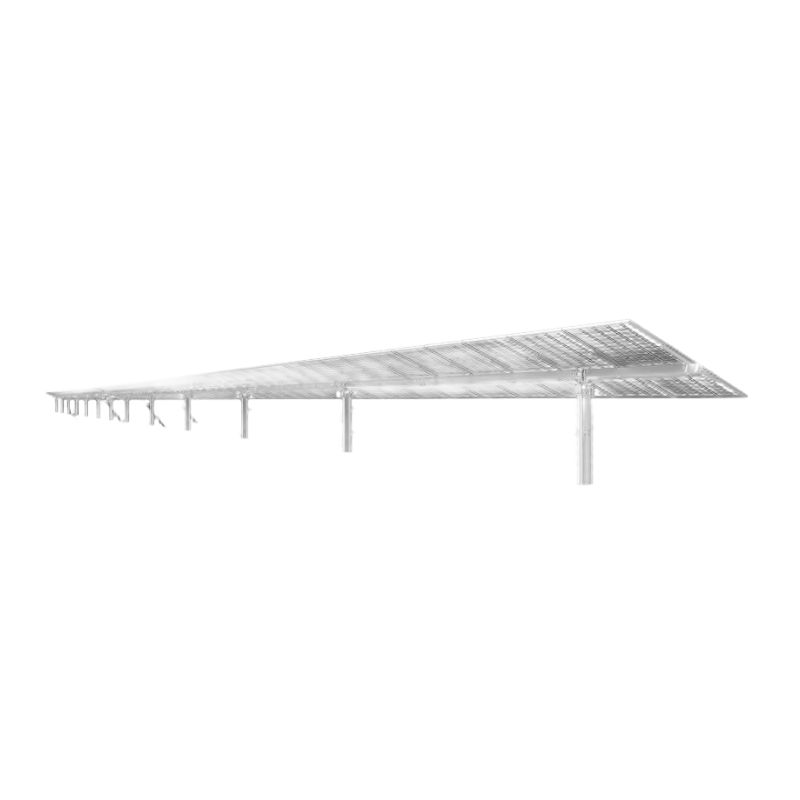
TAI Slew-drive Single-axis Independent 1P Tracking Bracket System
ANTAI TECHNOLOGY CO., LTD.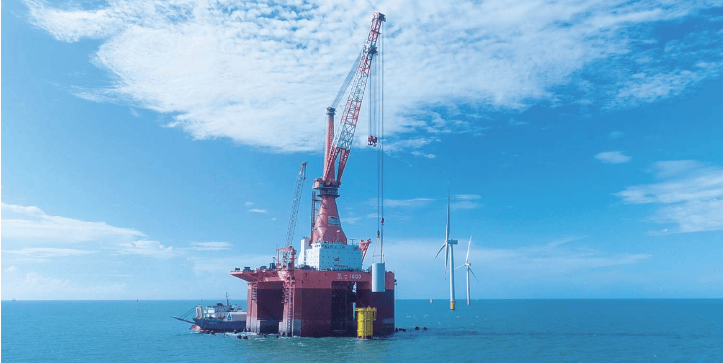
"Shunyi 1600" Deep-submerging Bottom-sitting Multi-functional Wind Power Engineering Vessel
Zhengli Offshore Engineering Co., Ltd.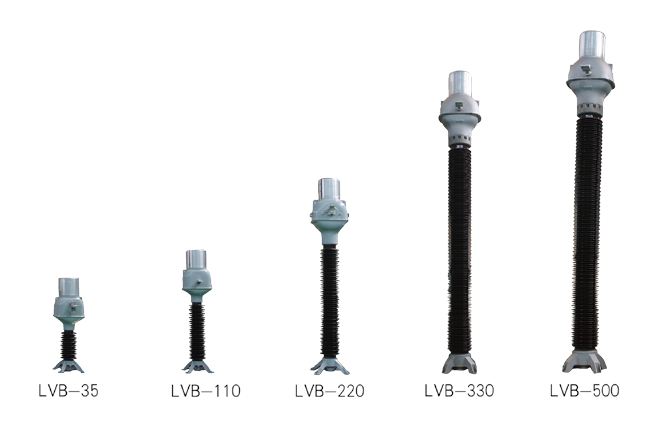
LVB Series 35-500kV Oil-immersed Inverted Current Transformer
Shandong Taikai Instrument Transformer Co., Ltd.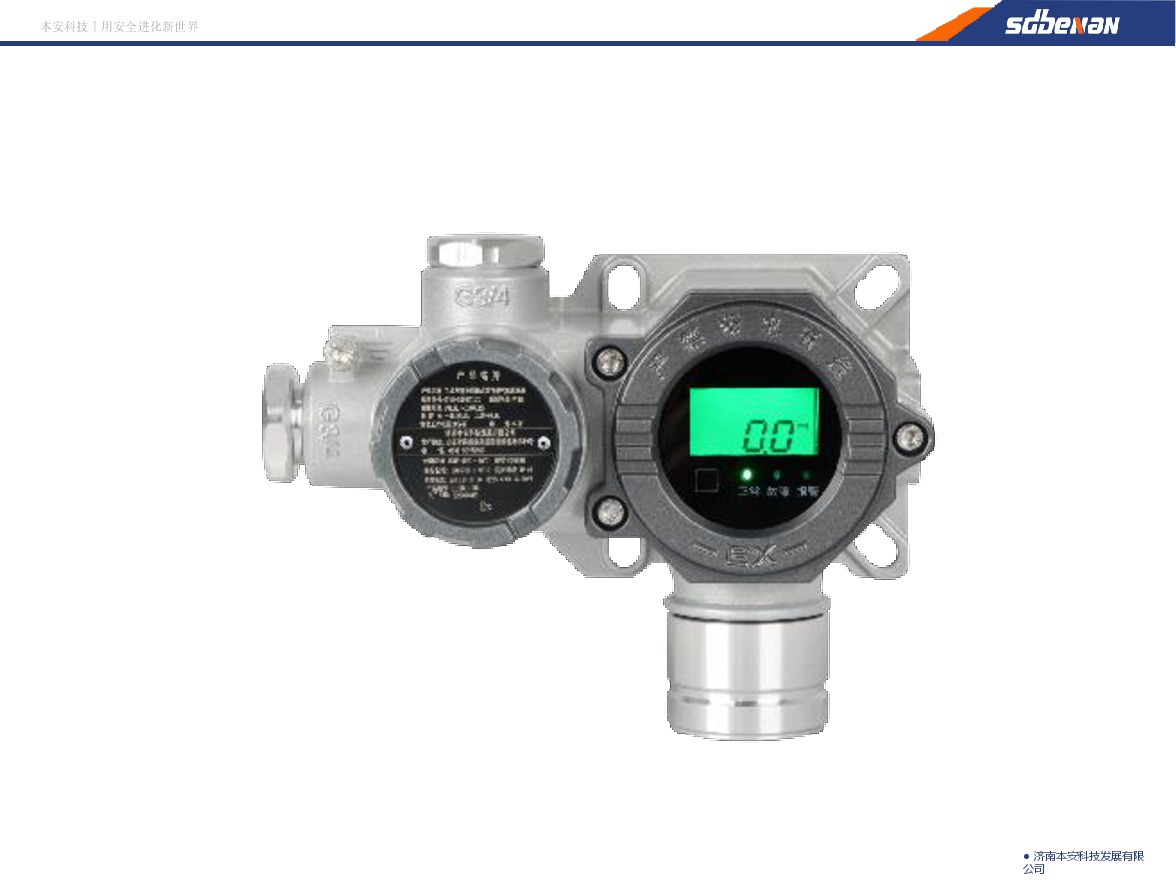
Industrial and Commercial Point-Type Gas Detector
Jinan Benan Technology Development Co., Ltd.