China University of Petroleum and Others Develop Ceramifiable Foam Composite to Suppress Battery Thermal Runaway
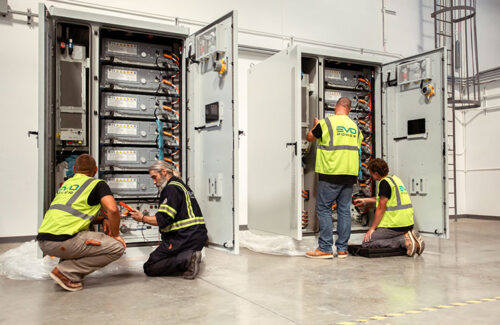
en.Wedoany.com Reported - Researchers from China University of Petroleum (Beijing) and the China Academy of Safety Science and Technology have developed a gradient-laminated ceramifiable silicone rubber foam composite that effectively prevents cascading failure during thermal runaway in lithium-ion battery energy storage systems. This material generates a dense ceramic barrier at high temperatures through a multi-scale filler system while resisting the impact of high-temperature and high-pressure gas jets.
Thermal runaway propagation is a major safety hazard for utility-scale lithium-ion battery energy storage systems. The core temperature of gas jets ejected during thermal runaway can reach 800°C to 1,200°C, with ejection speeds exceeding 200 meters per second. Traditional passive thermal insulation materials are prone to failure under these conditions, with organic foams collapsing above 300°C and inorganic fiber materials disintegrating under high-speed jet impact.
The composite material developed by the research team uses polydimethylsiloxane foam as the matrix, embedded with a glass fiber fabric skeleton, and incorporates a multi-scale filler system including ammonium polyphosphate, zinc borate, kaolin, and silica aerogel. Under normal operating conditions, the material remains flexible and elastic, maintaining stable mechanical performance in the range of -40°C to 300°C, retaining 93% residual stress after 1,000 compression cycles. When exposed to flame, the fillers initiate a multi-step ceramification process: the flame retardant releases inert gases and promotes char formation, while kaolin and silica aerogel undergo liquid-phase sintering above 600°C to form a dense ceramic barrier. Even if the foam surface is damaged, the embedded glass fiber fabric can still resist perforation by high-pressure gas jets.
In cone calorimeter tests, compared to ordinary silicone rubber foam, the composite material showed a 54.4% reduction in total heat release and an 87.9% reduction in smoke production. Under a butane flame at approximately 1,100°C, the material maintained structural integrity for over 30 minutes, with the backside temperature stabilizing at 97.1°C. The measured thermal conductivity was 0.046 W/(m·K), approximately 50% lower than unmodified silicone rubber foam. The material achieved a limiting oxygen index of 33.5% and passed the UL-94 V-0 flammability rating.
Battery module performance evaluation was conducted using three commercial 37 Ah prismatic cells in a controlled three-cell configuration. Without thermal insulation, all three cells experienced complete propagation within seconds after the first cell entered thermal runaway. With 3 mm conventional silicone rubber foam, propagation was delayed but not prevented. With 3 mm ceramifiable composite material, thermal runaway was confined to the initiating cell, with the front face temperature of the adjacent cell reaching 167.1°C but not exceeding the runaway threshold.
The total mass loss in the ceramifiable composite test was 255.4 grams, compared to 796.3 grams in the conventional silicone rubber foam test, consistent with single-cell confined results. In a separate comparative test conducted by the same research team, using commercial aerogel felt also achieved single-cell confinement, but the front face temperature of the adjacent cell was slightly higher at 181.1°C. The research paper notes that the 3 mm thickness of the composite material maintains the volumetric energy density of the battery module, and its manufacturing process is compatible with industrial roll-to-roll production.
The study was published in the academic journal Nano-Micro Letters, with the paper titled "Constructing Intrinsically Safe Lithium-Ion Battery Energy Storage via Gradient-Laminated Ceramifiable Silicone Foams." The research was led by Professor Congling Shi from the China Academy of Safety Science and Technology and Professor Laibin Zhang from China University of Petroleum (Beijing), with co-authors including Shuilai Qiu and Jingyao Xu.
This article is compiled by Wedoany. All AI citations must indicate the source as "Wedoany". If there is any infringement or other issues, please notify us promptly, and we will modify or delete it accordingly. Email: news@wedoany.com
Related Products


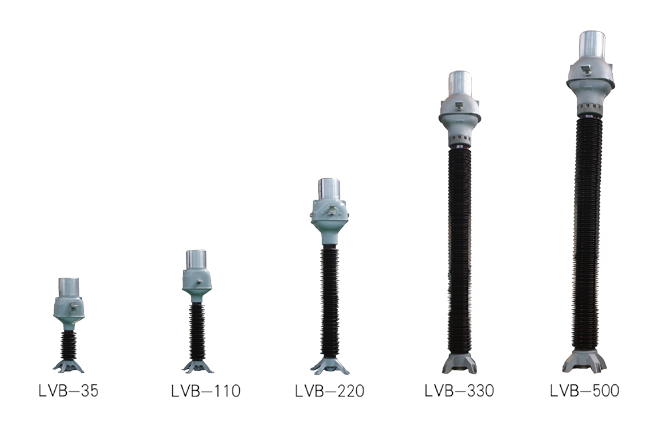
LVB Series 35-500kV Oil-immersed Inverted Current Transformer
Shandong TaiKai Instrument Transformer Co., Ltd.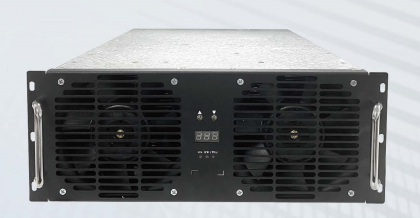
80kW Megawatt Supercharging Module TH80F10030C9
Shijiazhuang Tonhe Electronics Technologies Co., Ltd.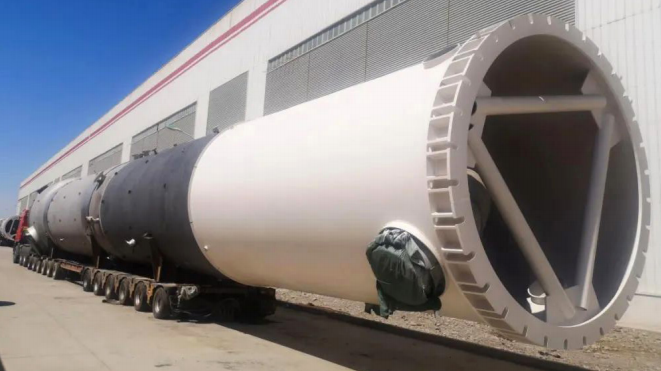
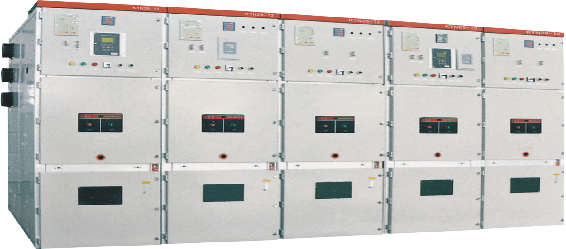
KYN28-12/24 Indoor High-Voltage Metal-Clad Removable Switchgear
Shenzhen Zhaoyang Hui Technology Co., Ltd.