en.Wedoany.com Reported - Health New Zealand is deploying the Centric suite of clinical tools in North Island hospitals as part of its Accelerate programme, aimed at enhancing patient safety.
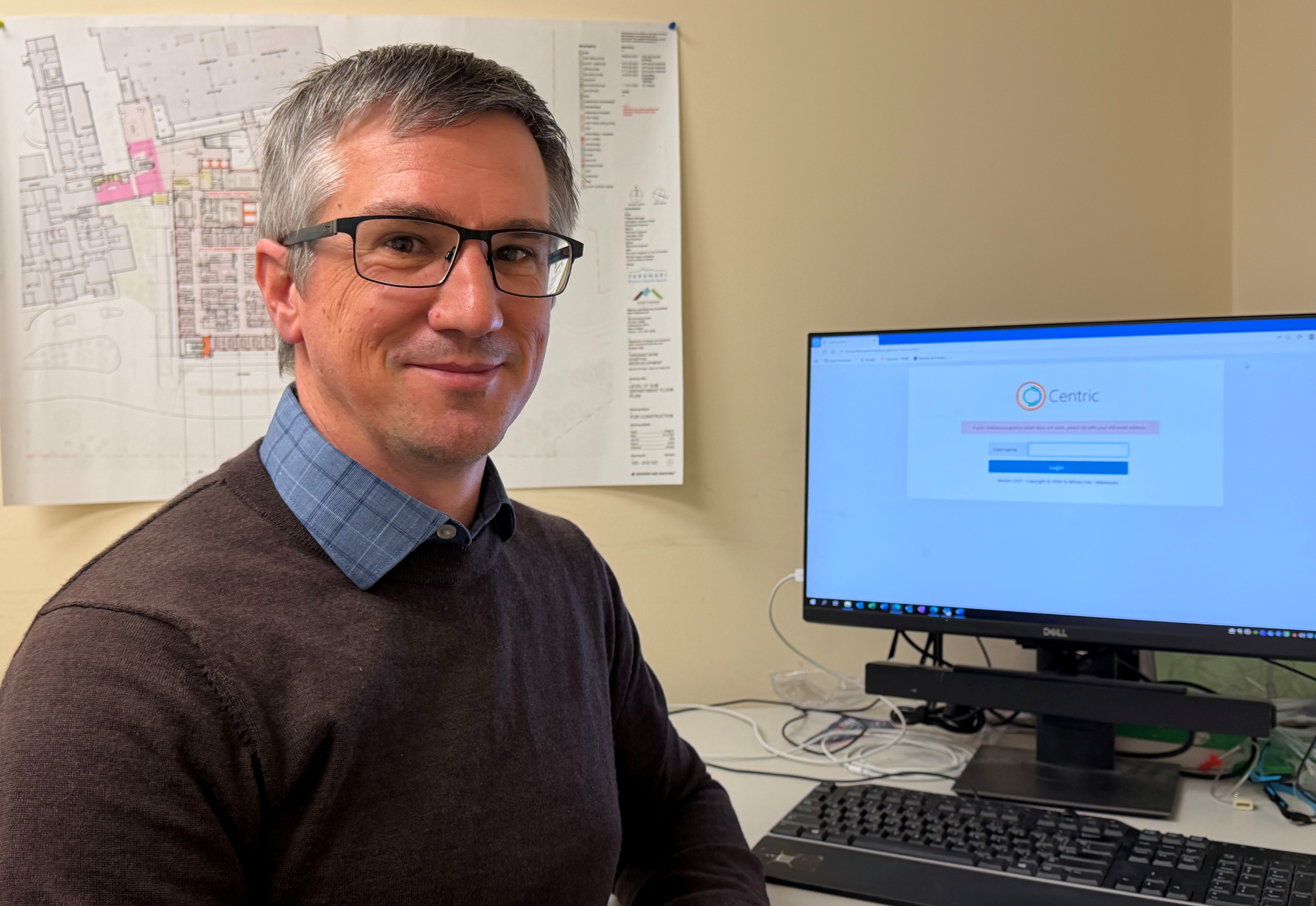
Led by Chief Executive Dale Bramley, the project has seen emergency departments report significant improvements in patient safety and clinical decision-making since implementation.
The Centric Notes, Observations, and Snapshot products, developed internally by Health NZ Waitematā, are now live in the Northern Region and at Waikato, Taranaki, and Hāwera hospitals in the Midland region.
Gisborne Hospital is scheduled for implementation in mid-June, with Tauranga, Whakatāne, Rotorua, Taupō, and Thames hospitals to follow once infrastructure is ready. Planning for rollout in Central Region hospitals is underway, with a start expected within the next three months.
Stuart Bloomfield, Director of Data and Analytics at Planning Funding & Outcomes, stated that the goal is to complete implementation in Northern Region hospitals by 2026, with Te Manawa Taki and the Central Region following by 2027.
Other tools in the Centric suite—including Emergency/Inpatient Whiteboard, Shared Care Goals, Shared Worklists, and Quantum, which provides structured forms and pathways—are already live in the Northern Region and are being progressively rolled out across the North Island.
Centric was implemented at Taranaki Base Emergency Department (ED) on April 20. Senior Medical Officer Timothy Petterson noted that the digital system provides real-time monitoring of the entire ED, enabling clinicians to more quickly identify deteriorating patients and allocate resources effectively.
Petterson said the change has been transformative for the department, with care records, patient vital signs, and test results now easily accessible from any workstation. Previously, staff had to search through observation charts and nursing records, which were updated less frequently, increasing the risk of oversight. On the first day of use, he could more easily identify deteriorating patients, immediately see interventions already taken, and make timely treatment decisions. As the lead clinician in a busy ED, this has greatly enhanced his situational awareness, helping him reallocate limited resources more effectively.
Petterson noted that the rollout was phased to ease pressure on staff, starting with electronic records, then introducing Centric Observations to replace paper systems, and finally transitioning to digital triage based on Centric. During the transition, patient medication charts remained one of the last paper documents in use.
Bloomfield said feedback from clinicians using the system in the recent Te Manawa Taki implementation has been extremely positive. Clinicians report that the change was easy and well-supported, and are requesting digitisation of the rest of their workflows. The biggest current constraint on rollout speed is hospital infrastructure: hospital Wi-Fi needs to be surveyed and repaired, equipment must be procured and installed, and the physical layout of some wards/clinical areas may need adjustments to accommodate equipment. The same project team manages each implementation, working closely with local clinicians and hospital leadership to understand specific challenges and concerns, and tailoring rollout strategies for each clinical area.
This article is compiled by Wedoany. All AI citations must indicate the source as "Wedoany". If there is any infringement or other issues, please notify us promptly, and we will modify or delete it accordingly. Email: news@wedoany.com