
University of Washington team develops portable bedside PET for real-time imaging in interventional procedures
en.Wedoany.com Reported - Introducing molecular imaging information into interventional radiology procedures can help improve diagnostic and therapeutic accuracy, but traditional PET/CT equipment is bulky and costly, making it difficult to use in real-time at the bedside during surgery. To address this challenge, a research team at Washington University in St. Louis has developed a portable bedside PET scanner called "POC-PET," which provides real-time molecular imaging feedback during interventional procedures. The findings have been published in the Society of Nuclear Medicine and Molecular Imaging.
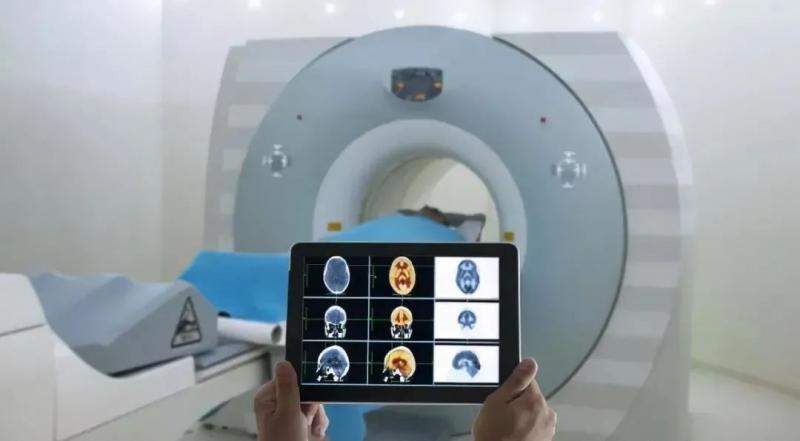
The new system is equipped with a robotic arm, allowing the detector panel to be flexibly positioned anywhere to image any organ of interest, thereby enabling real-time intraoperative molecular imaging guidance. To validate its practicality, the research team tested it using a phantom containing three clusters of radioactive tracer-filled rods, acquiring images from six different positions. After the initial scan, a single iterative update was performed at each subsequent position, providing operators with a basis for deciding whether to adjust the scanning protocol. Comparative analysis showed that the image quality generated by the real-time update framework was comparable to that of the traditional reconstruction framework, with the model structure clearly identifiable from all angles. The research team noted that increasing the number of scanning angles and reconstruction iterations could further optimize image quality.
Dr. Yuan Chuantai, senior author from Washington University, stated that the portable PET device's real-time imaging capability can directly bring the rich information of molecular imaging into interventional radiology procedures, assisting operations such as biopsy needle placement and tumor ablation. Team member Li Xiyan believes that this new approach better supports bedside interactive, adaptive imaging workflows, representing a paradigm shift. Currently, the research team is preparing a prototype for human imaging and plans to initiate related human studies in 2027.
This article is compiled by Wedoany. All AI citations must indicate the source as "Wedoany". If there is any infringement or other issues, please notify us promptly, and we will modify or delete it accordingly. Email: news@wedoany.com