en.Wedoany.com Reported - QIAGEN N.V. announced the expansion of its QIAcuity digital PCR (dPCR) ecosystem, supporting broader applications in life sciences and biopharma by enhancing gene expression capabilities, broadening assay content, and optimizing workflow standardization.
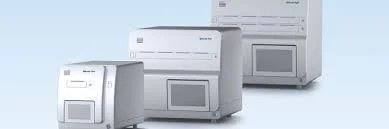
As researchers demand higher sensitivity, greater precision, and enhanced multiplexing capabilities, digital PCR is gaining adoption in applications traditionally served by qPCR technology. QIAGEN is expanding the QIAcuity ecosystem through new gene expression solutions, workflow automation, and analysis capabilities, aiming to support broader adoption of digital PCR in research and biopharma applications.
QIAGEN CEO Thierry Bernard stated that gene expression is one of the largest application areas in molecular biology and a significant opportunity for digital PCR. By expanding the QIAcuity ecosystem with new assays, enhanced multiplexing capabilities, and workflow solutions, the company is helping customers apply digital PCR to a wider range of research and biopharma applications.
The latest expansion of the QIAcuity portfolio includes new gene expression solutions. QIAGEN plans to launch QIAcuity Gene Expression Assays later in 2026 to support gene expression analysis in human, mouse, and rat research applications. The company also plans to introduce the QIAcuity OneStep High-Plex Probe PCR Kit, capable of analyzing up to 12 RNA targets in a single reaction, reducing sample consumption, hands-on time, and workflow complexity. These additions complement QIAGEN's GeneGlobe platform, which offers over 10 million pre-designed assays and custom assay design capabilities.
Building on its established portfolio of dPCR solutions for cell and gene therapy applications, QIAGEN is expanding its residual DNA detection offerings to support additional production cell systems, including Sf9/baculovirus, Pichia pastoris, Vero, and mouse. The portfolio also includes the recently launched QIAcuity HEK293 resDNA Sizing Kit, which enables precise measurement of host cell DNA concentration and fragment size distribution to support biopharma development and manufacturing workflows.
QIAcuity Software 3.5, scheduled for release later this month, introduces advanced analysis templates and automated reporting features, allowing users to define analysis and reporting parameters before a run begins. The software helps laboratories automate and standardize data interpretation and reporting through predefined analysis and reporting templates. By automatically applying analysis parameters and generating reports upon run completion, laboratories can reduce manual review steps while improving traceability, consistency, and operational efficiency, particularly in high-throughput and regulated workflows.
Based on QIAGEN's collaboration with Hamilton, customers can automate QIAcuity dPCR nanoplates setup and processing workflows, including sample preparation, nanoplates filling, and sealing. Integration with robotic systems enables fully automated workflows from assay setup to data analysis, helping high-throughput laboratories increase productivity while reducing risks associated with manual operations.
Adoption of QIAcuity continues to grow across academia, biopharma, and clinical research, with global cumulative installations exceeding 3,200 units since launch. More than 400 customers currently operate multiple QIAcuity instruments, and over 1,100 scientific publications have cited the platform. The ongoing expansion of the ecosystem reflects QIAGEN's strategy to support customers as they transition from qPCR to dPCR and toward increasingly scalable, automated, and standardized dPCR workflows.
This article is compiled by Wedoany. All AI citations must indicate the source as "Wedoany". If there is any infringement or other issues, please notify us promptly, and we will modify or delete it accordingly. Email: news@wedoany.com