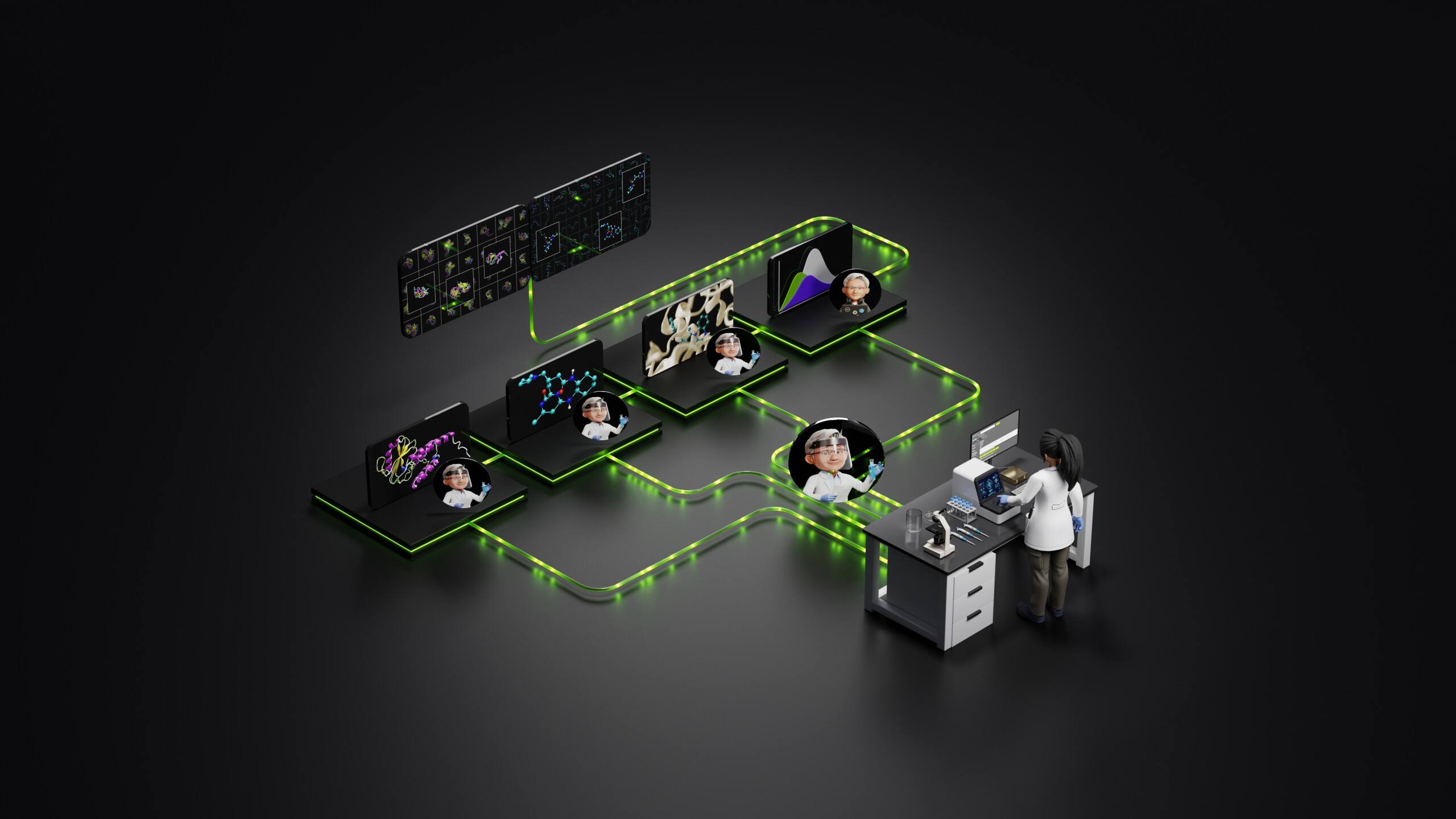
en.Wedoany.com Reported - The NEO implant developed by Chinese brain-computer interface company Neuracle has recently received commercial approval from the China National Medical Products Administration (NMPA) and has been included in the public healthcare system. The device is designed to help patients with paralysis caused by spinal cord injuries regain partial mobility, marking a concrete step for China in the commercialization of this technology.

Unlike Neuralink, which penetrates the skull and implants electrode wires into brain tissue, NEO adopts a less invasive approach: eight sensors are placed on the surface of the dura mater (the outer membrane enveloping the brain) without penetrating it. The sensors capture the user's neural signals and transmit them to a mechanical glove, which converts the signals into specific actions. This design, which avoids penetrating the dura mater, reduces surgical risks, facilitating adoption by medical institutions and accelerating the regulatory approval process.
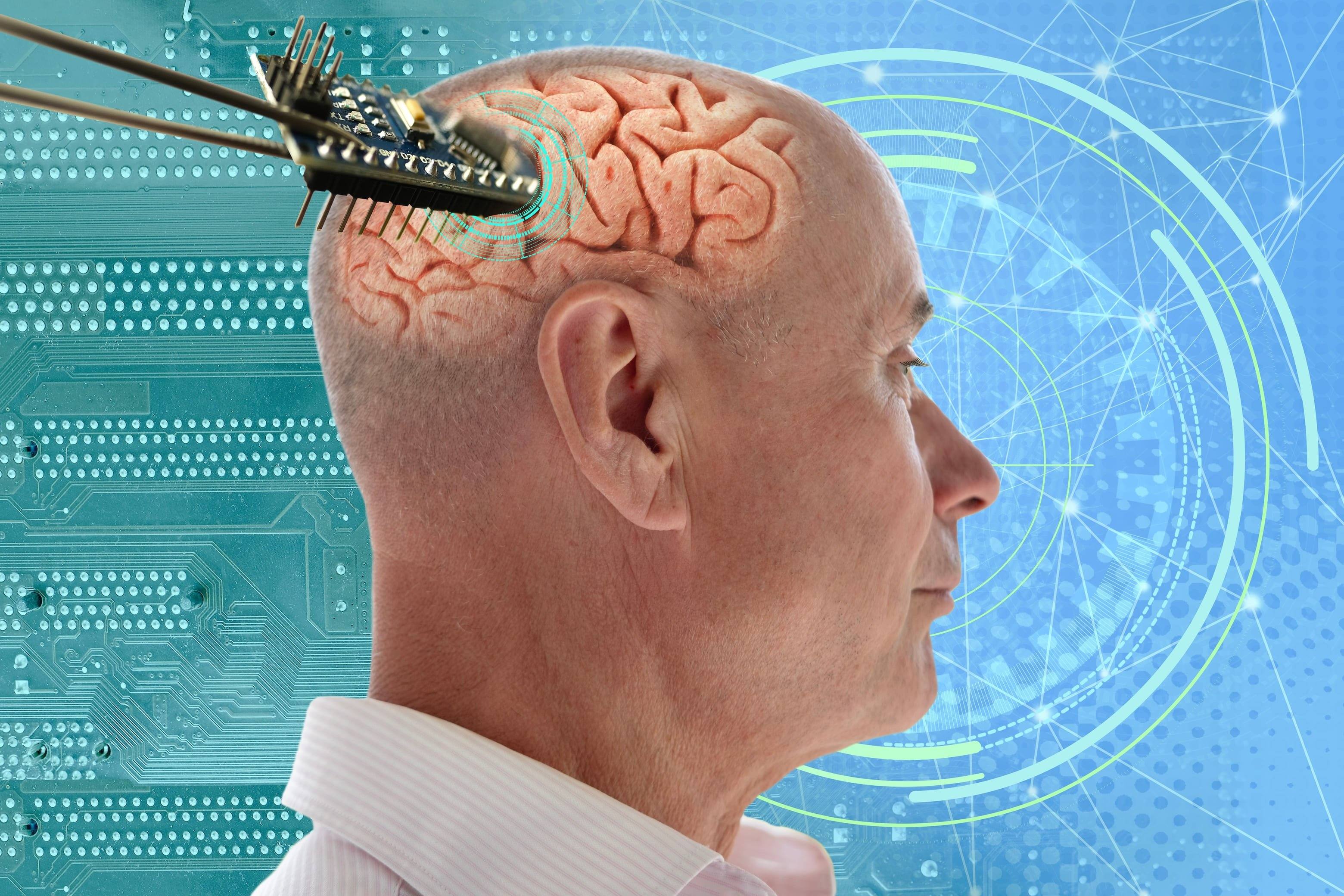
Competition in the brain-computer interface field revolves around core issues such as the degree of surgical invasiveness, signal capture quality, and regulatory approval feasibility. Neuracle has achieved commercial implementation by reducing surgical difficulty, while Neuralink pursues more ambitious long-term goals, including cognitive enhancement, direct interaction between the human brain and artificial intelligence, and restoring speech capabilities. The latter has demonstrated results of monkeys controlling video games through thought and has begun human patient trials, but due to its more invasive technology, it still faces regulatory hurdles in the United States and has recently hired federal lobbyists to advance its project.
There are other players in this field. Brooklyn-based Synchron has developed the Stentrode, a device that can be implanted into blood vessels without penetrating brain tissue. This approach is considered lower risk, although it has not yet received full commercial approval. Sam Altman is collaborating with OpenAI to plan the launch of a brain chip product.
This article is compiled by Wedoany. All AI citations must indicate the source as "Wedoany". If there is any infringement or other issues, please notify us promptly, and we will modify or delete it accordingly. Email: news@wedoany.com