China to Fully Establish Unified Building Code System
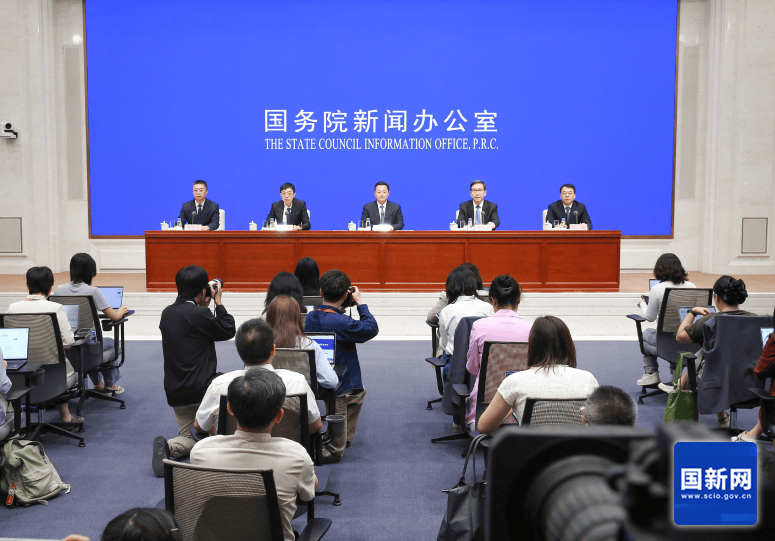
en.Wedoany.com Reported - The Ministry of Housing and Urban-Rural Development, together with the National Data Administration, recently issued a notice on the comprehensive establishment of a unified building code system, clarifying that a unified building code system will be implemented, granting each building a unique "digital ID." The notice requires that by the end of 2027, full coverage of unified building code assignment and mapping for new buildings be achieved, essentially realizing a "one-code-through" lifecycle management covering design, construction, acceptance, transaction, operation and maintenance, and renovation. By the end of 2030, a comprehensive high-quality dataset for the entire lifecycle of buildings should be fully established.
The Ministry of Housing and Urban-Rural Development is one of the constituent departments of the State Council, responsible for national housing security, the real estate market, the construction industry, and urban construction management. The National Data Administration was officially inaugurated in October 2023, tasked with coordinating the advancement of data infrastructure systems and overseeing the integration, sharing, development, and utilization of data resources. The unified building code adheres to the "Unified Building Coding and Basic Attribute Data Standard" and the "Coding Rules for Unified Identification Codes of Urban Digital Public Infrastructure." This system will implement unified standards, unified base maps, and unified code assignment management. Housing and urban-rural development departments at all levels should use the City Information Model (CIM) basic platform as the working base map; where such a platform is not yet established, they may rely on national spatial data for buildings and municipal facilities. Building spatial coordinate information should adopt the China Geodetic Coordinate System 2000 (CGCS2000), and the elevation datum should use the 1985 National Height Datum.
The notice provides specific arrangements for both new and existing buildings. New (including renovated and expanded) buildings should rely on the engineering construction project approval management system, completing individual code assignment and mapping before obtaining a construction permit. Basic attribute information such as structural type, floor area, building height, number of floors, and primary use, as well as spatial data, project code, and land parcel code, should be collected. The unified building code should be indicated in the electronic construction permit. During the completion acceptance phase, data verification and updates should be carried out, with residential buildings coded down to the unit (household). Projects under construction should undergo code assignment and mapping during the completion acceptance phase. Commercial housing, during the pre-sale (or current sale) phase, and affordable housing, during the allocation or rental phase, should collect unit and household information, extending code assignment to the unit (household) level.
For existing buildings, local authorities should leverage data results from the national comprehensive natural disaster risk survey of buildings and municipal facilities, making good use of existing data such as urban construction archives, commercial housing unit lists, and transaction and rental records to advance code assignment. Through the unified code, data silos across multiple departments will be broken: in the engineering field, achieving "one-code universal use" for planning, construction, and acceptance; in housing transaction online signing and filing, property management, and building safety management, achieving "one-code universal management"; and extending to areas such as municipal facility operation and maintenance, community governance, emergency management, and public services, realizing "one-code universal service" for urban services.
The establishment of the unified building code system will effectively address long-standing issues such as fragmented building information and data silos, driving urban governance toward smarter and more refined development, while also providing crucial support for the overall implementation of the "Digital Housing and Urban-Rural Development" framework.
This article is compiled by Wedoany. All AI citations must indicate the source as "Wedoany". If there is any infringement or other issues, please notify us promptly, and we will modify or delete it accordingly. Email: news@wedoany.com
Related Products
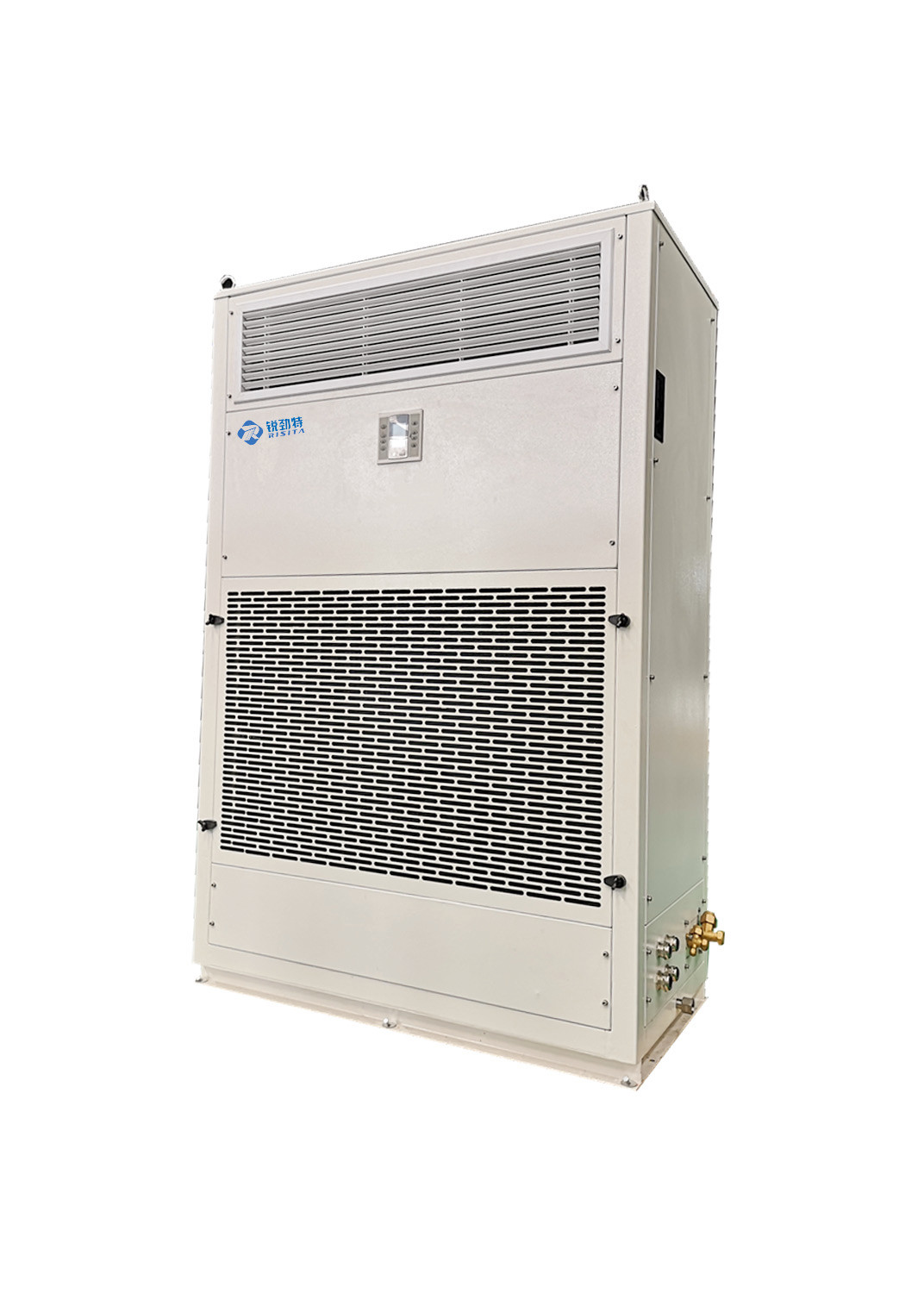

RISITA explosion-proof air conditioning
Guangdong RISITA Air Conditioning Equipment Co.,Ltd.
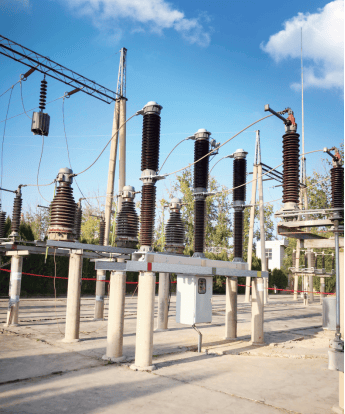
145kV Porcelain Column Type Sulfur Hexafluoride Circuit Breaker
TBEA ZONFA Shanghai High Voltage Switchgear Co., Ltd.
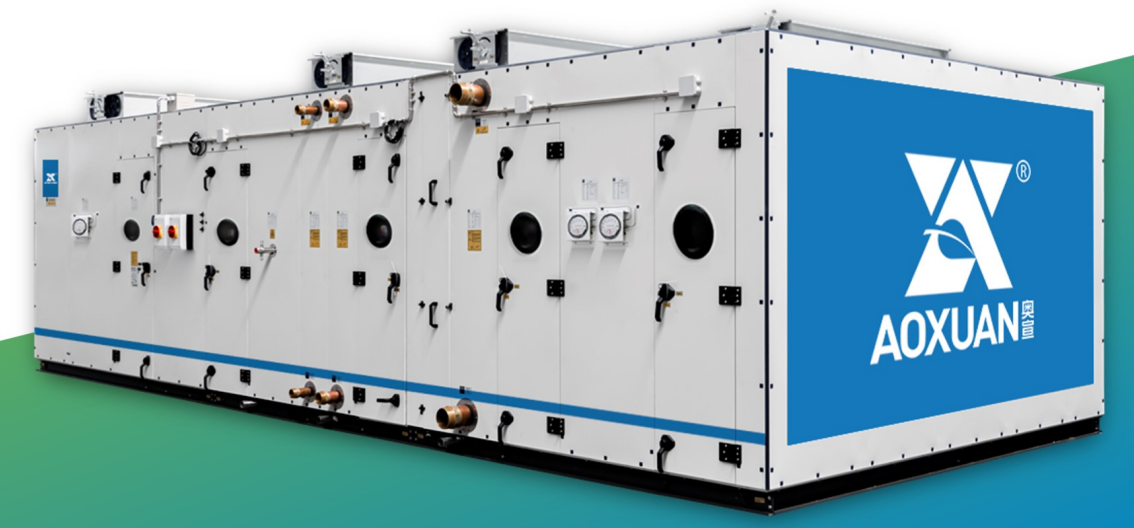
Aoxuan Intelligent Precision Air Conditioning Unit
SHANGHAI AOXUAN PURIFICATION TECHNOLOGY CO., LTD.