en.Wedoany.com Reported - Chinese memory chip manufacturer ChangXin Memory Technologies (CXMT) is gradually entering the mainstream memory market, with its products being adopted by brands such as Gloway, KingBank, and Corsair. According to reports, many Chinese memory manufacturers have shifted to domestic suppliers, driven by government support and a strategic push for technological self-reliance.
Unlike foreign suppliers such as Samsung, Micron, and SK Hynix, which pursue high profits in data centers and artificial intelligence, Chinese chip manufacturers adopt a significantly different strategy. Nelson Duann, Senior Vice President of Silicon Motion, noted in an interview with Tom's Hardware that China has its own NAND and DRAM manufacturers, which, with government support, also bear the responsibility of maintaining the health of the local market. While foreign suppliers can allocate most of their supply to data centers for high returns, Chinese suppliers may respond to government guidance and prioritize supporting local industries.
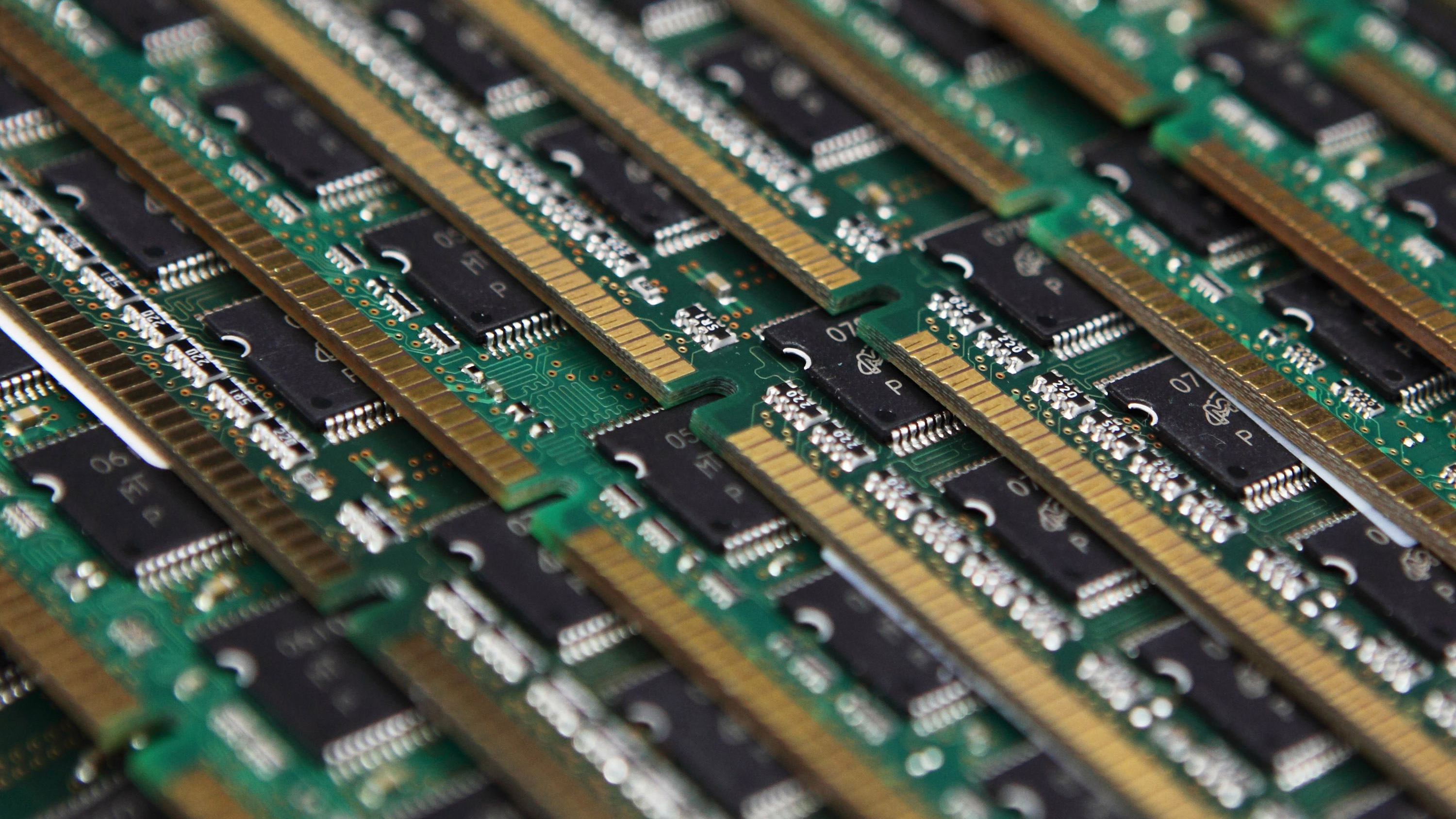
In terms of specific products, Gloway and KingBank recently released DDR5 memory modules using domestically produced 24Gb (3GB) memory chips. With a standard eight-die configuration, these manufacturers can produce 24GB memory modules and assemble dual-channel or quad-channel memory kits with capacities of 48GB or 96GB. Additionally, Corsair has adopted CXMT DDR5 chips in some of its Vengeance series memory kits, while HP and Dell have begun certifying CXMT memory kits for use in their products.
Founded only 10 years ago, CXMT is restricted by U.S. export controls and cannot access advanced extreme ultraviolet (EUV) lithography tools, relying entirely on older deep ultraviolet (DUV) lithography tools for its technological progress. Its current flagship manufacturing process is the 16nm (G4) node, used to produce DDR5 and LPDDR5X chips. The performance and overclocking potential of these chips remain to be tested in the market, and whether their application will further expand due to tight AI supply is yet to be seen.
This article is compiled by Wedoany. All AI citations must indicate the source as "Wedoany". If there is any infringement or other issues, please notify us promptly, and we will modify or delete it accordingly. Email: news@wedoany.com