South Africa's Eskom Signs Zululand Energy Terminal Agreement to Advance 3GW Gas-to-Power Project
en.Wedoany.com Reported - South Africa's state-owned power utility Eskom has signed a letter of intent with Zululand Energy Terminal (ZET) to act as an "anchor customer" for ZET's planned liquefied natural gas (LNG) terminal at Berth 207 in the South Dunes area of Richards Bay Port.
ZET is a joint venture between Vopak Terminal Durban and Transnet Pipelines, selected as the preferred bidder in 2024 for the development, construction, and operation of the LNG terminal at this deep-water port. Vopak Terminal Durban's shareholders include Royal Vopak of the Netherlands and Reatile Group.
Eskom plans to build a 3,000-megawatt gas-to-power (GtP) project in the Richards Bay Industrial Development Zone, with regasified LNG serving as the primary fuel for the plant. The plant is designed for a 25-year operational life and will generate electricity in a mid-merit load mode.
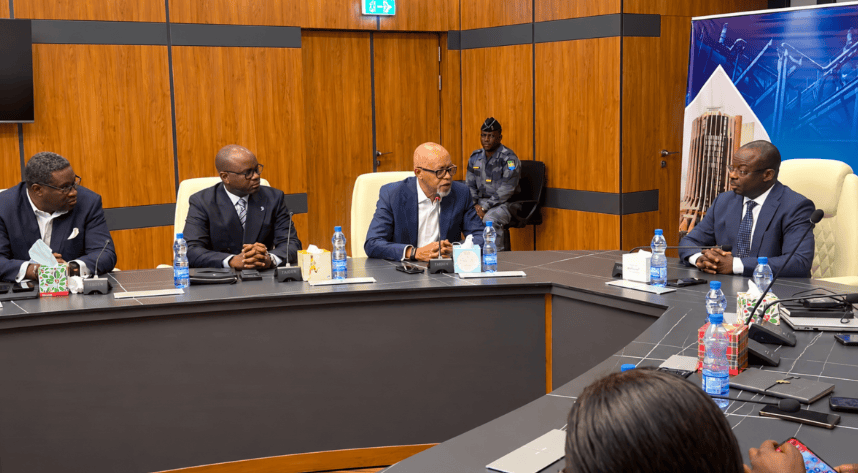
The signing ceremony took place in Pretoria, attended by South Africa's Minister of Electricity and Energy, Dr. Kgosientsho Ramokgopa. ZET Director Oliver Naidu noted that the agreement strengthens the project's commercial foundation, with the project poised to become South Africa's first LNG terminal.
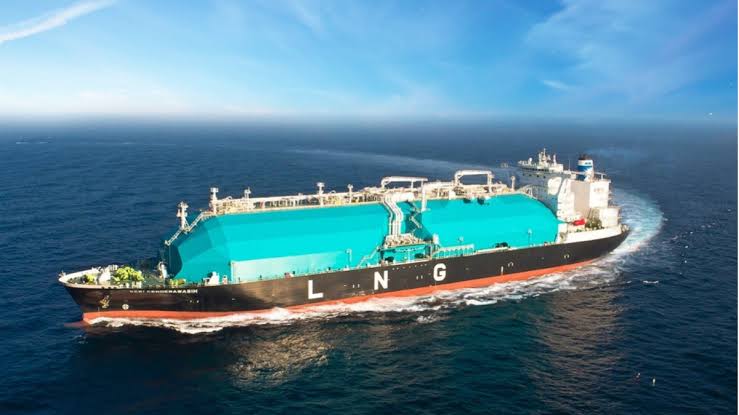
The project is currently in the early stages of front-end engineering design. Naidu revealed that the terminal will be developed in two phases: the first phase involves constructing a 170,000-cubic-meter floating storage unit and an onshore regasification plant with an annual capacity of approximately 3 million tons.
The second phase will increase capacity to over 4 million tons, including an onshore LNG storage tank and additional regasification facilities. The project also includes building a transshipment hub within the industrial zone to supply gas to the GtP project and industrial users, and connecting to the existing Lily pipeline between Secunda and Durban to extend supply to other industrial customers.
Naidu stated that the project's advancement focuses on responsibly meeting all regulatory and environmental requirements, completing the technical and commercial work necessary for a final investment decision, and delivering infrastructure to support South Africa's future gas market.
Eskom CEO Dan Marokane said the agreement establishes a framework for a long-term strategic partnership supporting South Africa's GtP ambitions. He noted that the availability of dispatchable power is central to the energy transition, and industry cannot function without it, as it forms the cornerstone for integrating renewable energy into the grid.
South Africa's current Integrated Resource Plan calls for 6,000 megawatts of GtP by 2030, with 3,000 megawatts sourced through a gas independent power producer (IPP) procurement program and the remaining 3,000 megawatts provided by Eskom. This target is considered challenging, partly due to the current lack of LNG import infrastructure and a significant reduction in gas supplies from Mozambique starting in 2028.
Eskom plans to begin generating electricity from the Richards Bay plant from 2031. Marokane emphasized the need to order long-lead items such as turbines, noting that the turbine market is currently overheated, primarily driven by strong demand in the United States, which is building GtP plants to support rapidly growing data centers.
Public procurement of GtP from IPPs is also facing delays. The IPP Office confirmed that four entities submitted GtP bids by the May 29 deadline, including: the 440-megawatt Khanyazwe Flexpower project in Mpumalanga Province; the 990-megawatt Pictor GtP project in KwaZulu-Natal Province; the 600-megawatt Kelvin redevelopment project in Gauteng Province; and the 800-megawatt Komatipoort Power project in Mpumalanga Province. All projects indicated they would be based on imported LNG. The IPP Office expects to announce preferred bidders in August, after which the projects will have over a year to reach financial close, followed by a 36-month construction phase.
Marokane stated that Eskom's 3,000-megawatt project will be advanced through a private sector participation model, enabling Eskom to leverage strategic partners, project financing, and long-term power purchase agreements. Eskom will begin selecting private sector partners for the plant's construction and related work, including resubmitting the Environmental Impact Assessment (EIA). Last year, the Court of Appeal revoked Eskom's environmental authorization for the project, ruling the EIA unlawful due to deficiencies in the public participation process.
Additionally, Eskom aims to begin signing contracts linked to LNG pricing to capture the anticipated downward trend in LNG prices. Despite supply being negatively impacted by the situation in the Strait of Hormuz, Eskom notes the potential for future expansion of LNG export capacity, particularly from the United States, Qatar, and other regions in Africa.
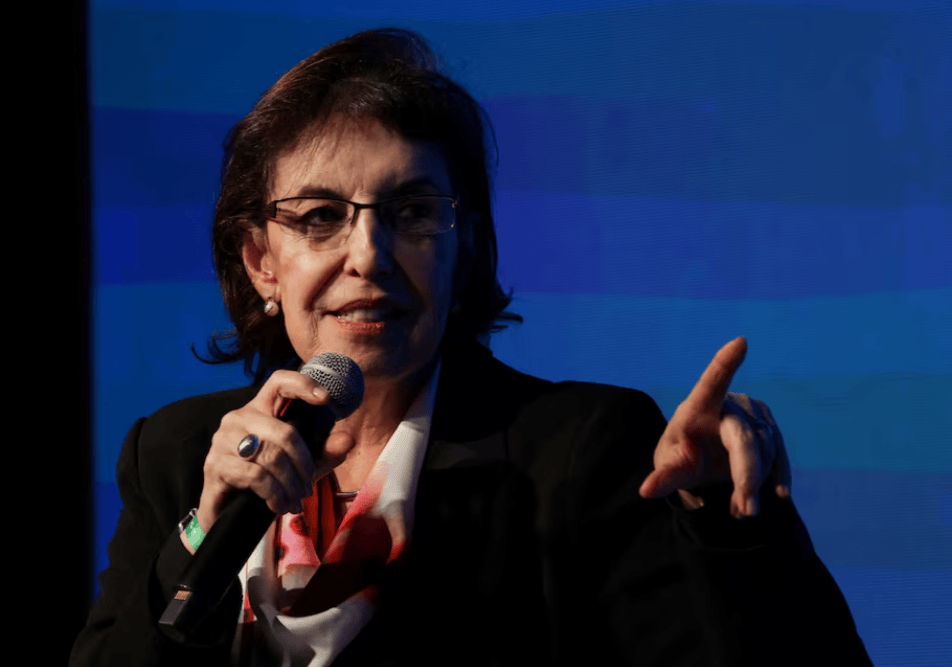
Transnet CEO Michelle Phillips stated that the signing between ZET and Eskom is a significant milestone following Transnet Pipelines and Transnet National Ports Authority's (TNPA) 2022 decision to advance LNG import infrastructure development at Richards Bay Port. Phillips said the agreement sends a strong commercial signal to the market, demonstrating confidence in the project, enhancing its bankability, and bringing South Africa closer to establishing its first LNG import terminal. In late May, TNPA also signed a 25-year terminal operating agreement with Ukwanda LNG to develop an onshore LNG regasification facility at the Port of Ngqura in the Eastern Cape.
This article is compiled by Wedoany. All AI citations must indicate the source as "Wedoany". If there is any infringement or other issues, please notify us promptly, and we will modify or delete it accordingly. Email: news@wedoany.com