ECOWAS Sets 48% Renewable Energy Target by 2030
en.Wedoany.com Reported - The Economic Community of West African States (ECOWAS) announced at a parliamentary extraordinary session in Dakar, Senegal, its plan to increase the share of renewable energy in West Africa's electricity mix to 48% by 2030, aiming to improve access to reliable, affordable, and sustainable energy in the region.
Abdou Kolley, Director of the Office of the President of the ECOWAS Commission (represented by Williams Baidoe, Acting Director of Energy and Mining), unveiled this target while addressing the Joint Committee on Energy and Mining, Infrastructure, Agriculture, Environment, and Natural Resources of the Parliament. The session was themed "Harnessing Renewable Energy for Rural Electrification and Rural Economic Empowerment in the ECOWAS Region: The Role of the ECOWAS Parliament."
Kolley stated that the regional bloc is continuously focused on providing affordable and reliable electricity services to communities across West Africa while strengthening the regional energy system. According to him, the ECOWAS Renewable Energy Policy aims to increase the share of renewables, including large hydropower, to 48% by 2030; the Energy Efficiency Policy seeks to reduce power losses caused by aging infrastructure, currently estimated between 35% and 40%.
In his address, he described the significance of electricity access for communities: homes illuminated with hope, students able to study after sunset, medical centers saving more lives, and citizens finding new economic opportunities within their communities.
Kolley characterized this parliamentary engagement as an opportunity for lawmakers and stakeholders to deepen discussions on energy challenges and identify viable approaches to promote inclusive development across the region. He noted that ECOWAS has launched a series of ongoing interventions to enhance energy access, including a gender-sensitive framework based on updated ECOWAS Energy Policy, Renewable Energy Policy, and Energy Efficiency Policy.
He also revealed that the Commission recently adopted the ECOWAS Climate Strategy to coordinate member states' actions on climate adaptation and mitigation. Specialized regional institutions are supporting implementation through infrastructure development and energy integration. According to him, the ECOWAS Centre for Renewable Energy and Energy Efficiency (ECREEE), the ECOWAS Regional Electricity Regulatory Authority (ERERA), the West African Power Pool (WAPP), and the West African Gas Pipeline Authority (WAGPA) are working together to strengthen regional energy integration and develop the infrastructure needed to provide affordable and sustainable energy services.
Kolley emphasized that electricity access is not limited to household lighting but serves as a catalyst for economic growth in urban and rural communities, improved healthcare services, and quality education. He stated that ECOWAS is collaborating with member states, technical and financial institutions, and other stakeholders to mobilize resources, build capacity, and expand the clean energy market across West Africa. He expressed confidence that the recommendations emerging from the session would yield practical and innovative solutions to accelerate universal energy access and drive shared regional prosperity.
This article is compiled by Wedoany. All AI citations must indicate the source as "Wedoany". If there is any infringement or other issues, please notify us promptly, and we will modify or delete it accordingly. Email: news@wedoany.com
Related Products
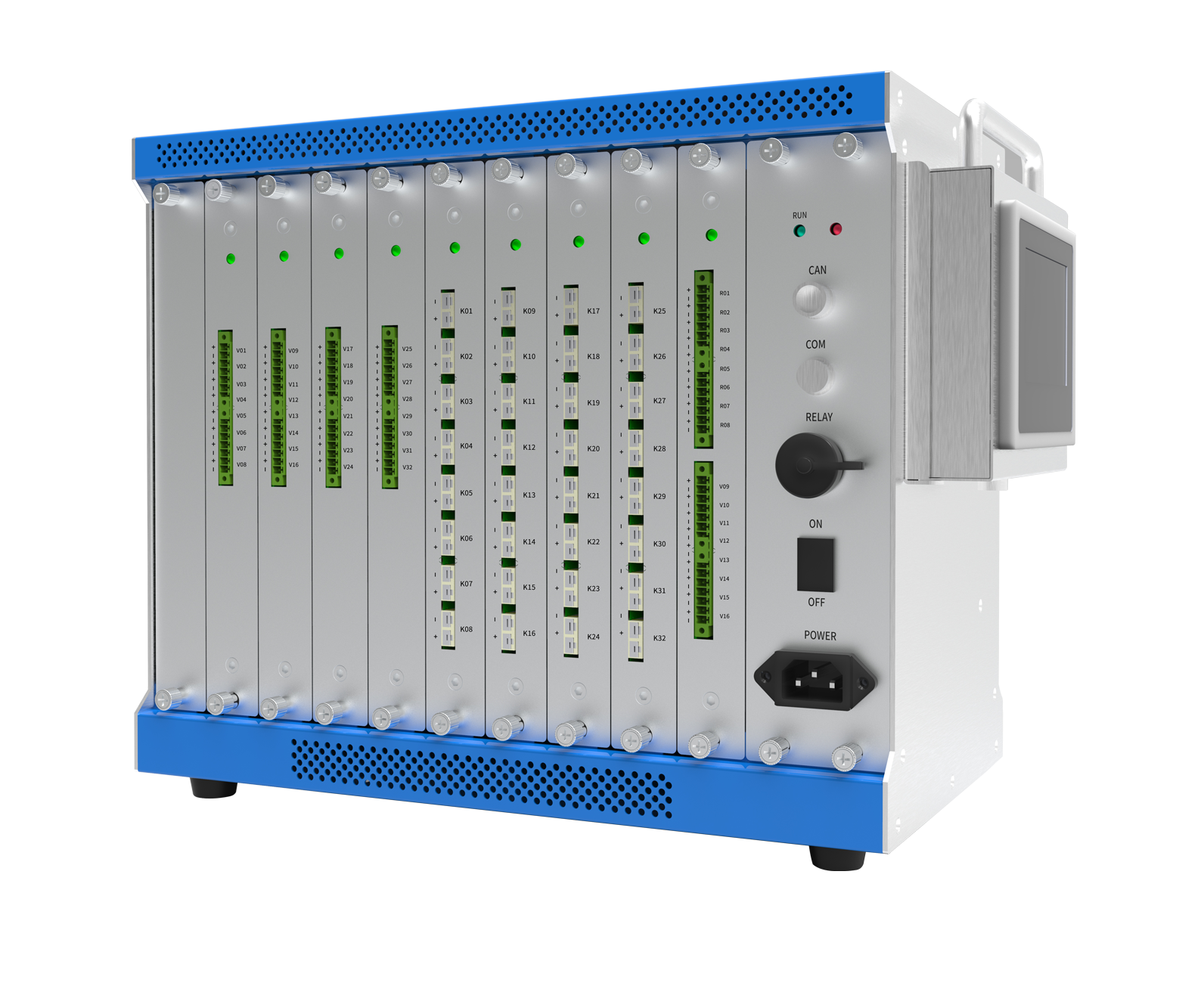

Optional Accessory - Auxiliary Sampling Module
Beijing Soaring Electric Technology Co., Ltd.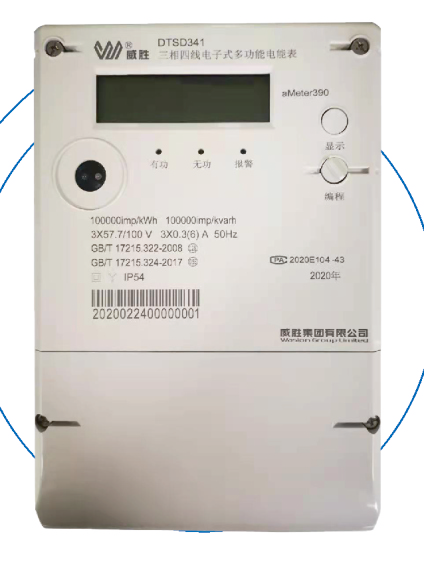
Overseas IEC Gateway Energy Meter - DTSD341/DSSD331-aMeter390
Wasion Group Limited Co., Ltd.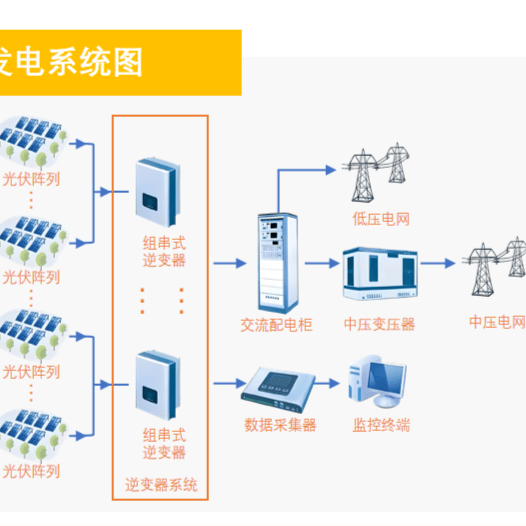
Photovoltaic and Wind Power Generation Technology
Beijing Boqi Electric Power SCI-TECH Co., Ltd.
Prefabricated Houses and Electrical Energy Boxes
Chengdu Ruilong Machinery Manufacturing Co., Ltd.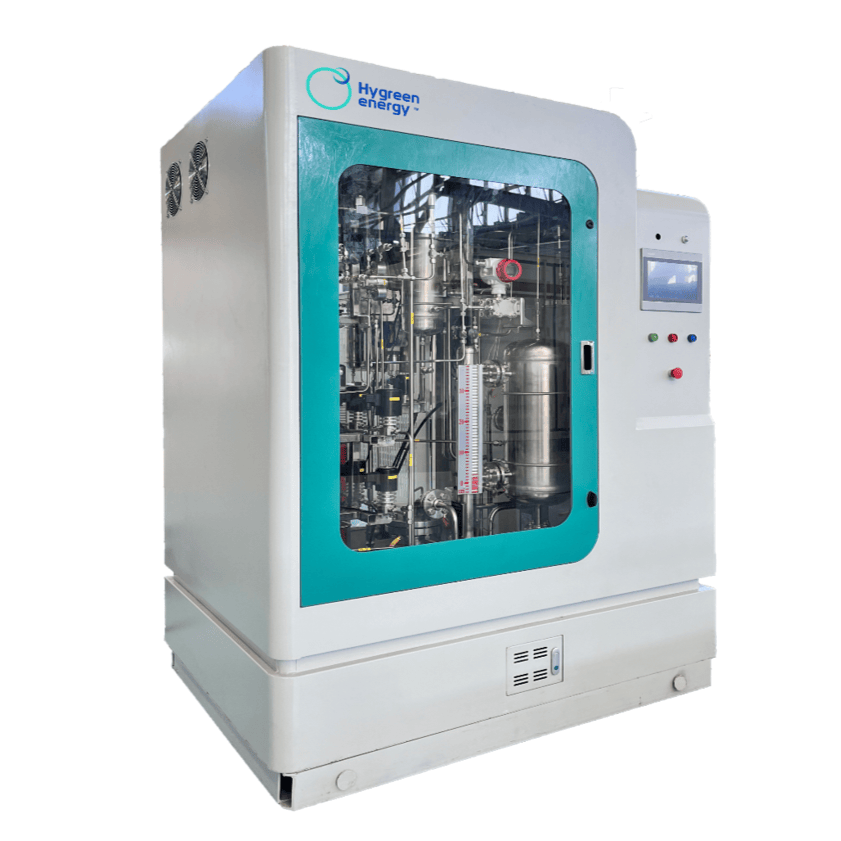
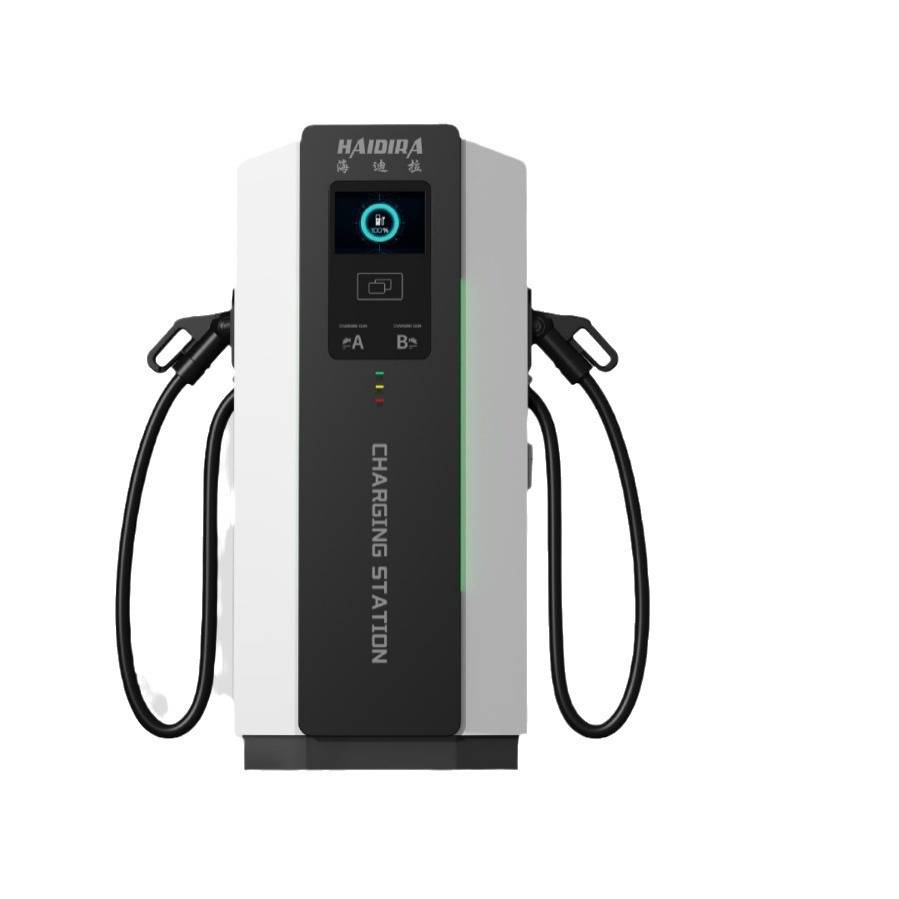
Manufacturer Direct Sales Tesla New Energy Electric Vehicle Universal DC 180kW Dual-gun Charging Pile Commercial Fast Charger
Anhui Haidira Electric Technology Co., Ltd.
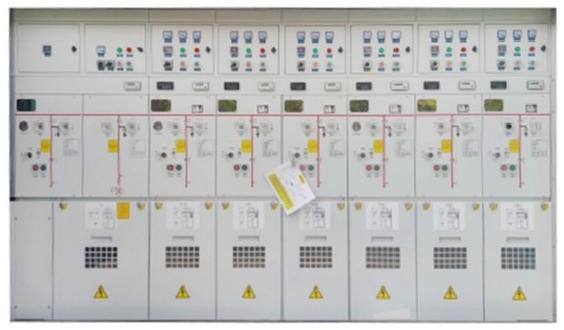
NISELA Series Environmentally Friendly Gas-Insulated Ring Main Unit
XJ DELISHIER ELECTRIC CO., LTD.
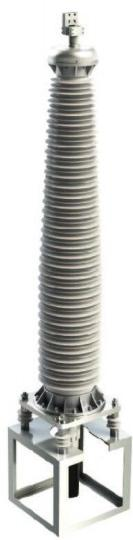
220kV Composite Outdoor Cable Terminal
Shenyang Guolian Cable Accessories Manufacture Co., Ltd.