Brazil's ONS Stores Water Ahead of Strong El Niño
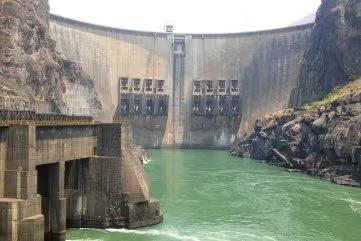
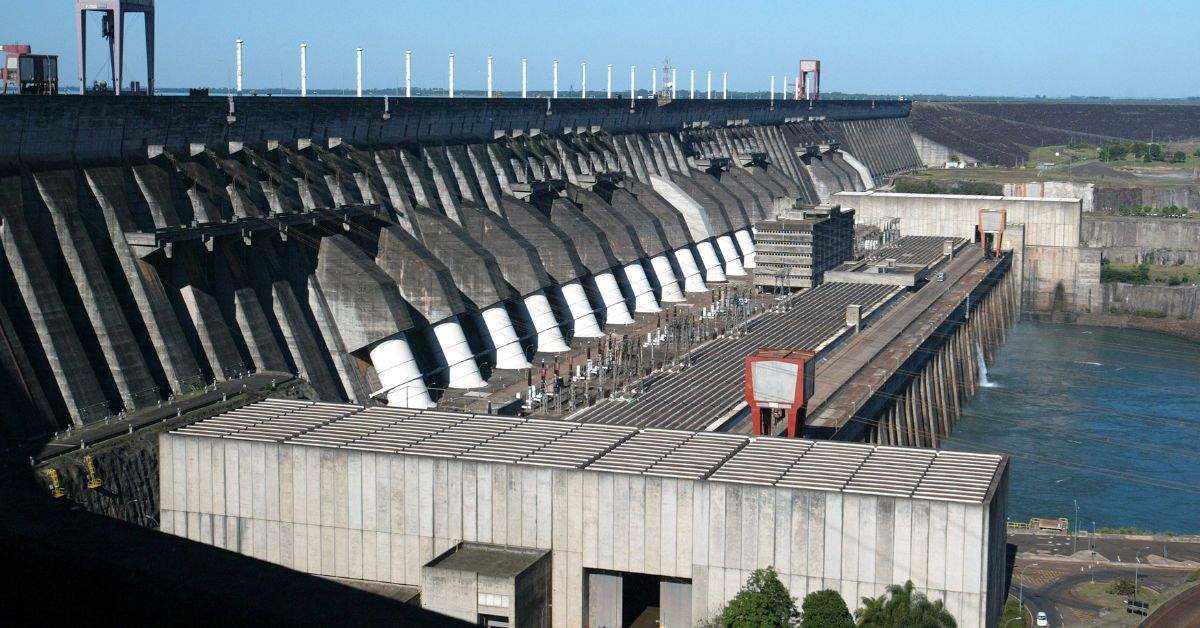
en.Wedoany.com Reported - Brazil's National Electric System Operator (ONS) will store water in advance at the Itaipu Hydroelectric Plant and reservoirs in the southern region to prepare for a potentially strong El Niño this year. The strategy aims to reserve stored energy to compensate for expected reduced rainfall in the northern region, which holds key reservoirs crucial for evening peak power supply.
Alexandre Zucarato, ONS Planning Director, stated that it remains difficult to predict the specific impacts of El Niño. The operator's biggest concern is drought in the north, home to backbone plants such as the Belo Monte Hydroelectric Plant in Pará, and the Jirau and Santo Antônio Hydroelectric Plants in Rondônia. Speaking after participating in the National Meeting of Electric Sector Agents, Zucarato noted that these plants contribute significantly to peak power supply. When solar generation stops, these plants connect to the system to maintain grid balance. Thermal power plants can perform similar functions but at higher costs, driving up electricity bills. Nevertheless, power supply capacity during this period remains limited, and government auctions to increase thermal plant capacity have been controversial and face legal challenges.
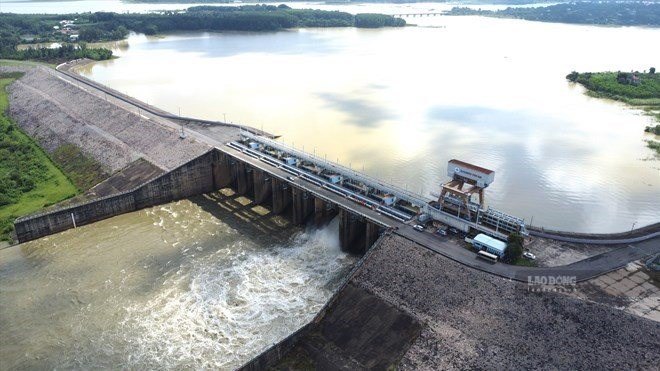
Zucarato said that hydroelectric plants in the southern region can help due to the rainy season. The ONS's idea is to retain as much water as possible in these reservoirs for power generation during the peak demand period in the second half of the year, when water levels in the Southeast and Midwest regions will be lower. The Southeast and Midwest regions hold about two-thirds of Brazil's storage capacity, but reserves typically begin to decline in the second half of the year, relying solely on summer rainfall for recovery. These two regions may also experience accelerated reservoir depletion due to a strong El Niño. Therefore, the ONS wants the Itaipu Hydroelectric Plant and southern region plants to generate more electricity during this period.
The ONS also plans to protect the reservoirs of the Rio Grande and Rio Paranaíba, which form the Paraná River where Itaipu is located, as these two rivers concentrate two-thirds of Brazil's "water tank" storage capacity. Zucarato explained that the goal is to keep these assets fully charged before the rainy season transition, preserving them until mid-September to have power reserves in case of delayed rainfall. The ONS director also warned that it may be necessary to more frequently cut off power from small power plants to prevent system collapse due to excess electricity. The operator has activated an emergency plan approved at the end of 2025, requiring distribution companies to disconnect generation from small hydroelectric plants and biomass thermal plants. Zucarato stated that the ONS is developing protocols for disconnecting solar farms built as consumer condominiums but located far from benefiting residences, which may be included in the plan if measures for small plants prove insufficient.
This article is compiled by Wedoany. All AI citations must indicate the source as "Wedoany". If there is any infringement or other issues, please notify us promptly, and we will modify or delete it accordingly. Email: news@wedoany.com
Related Products



Optional Accessory - Auxiliary Sampling Module
Beijing Soaring Electric Technology Co., Ltd.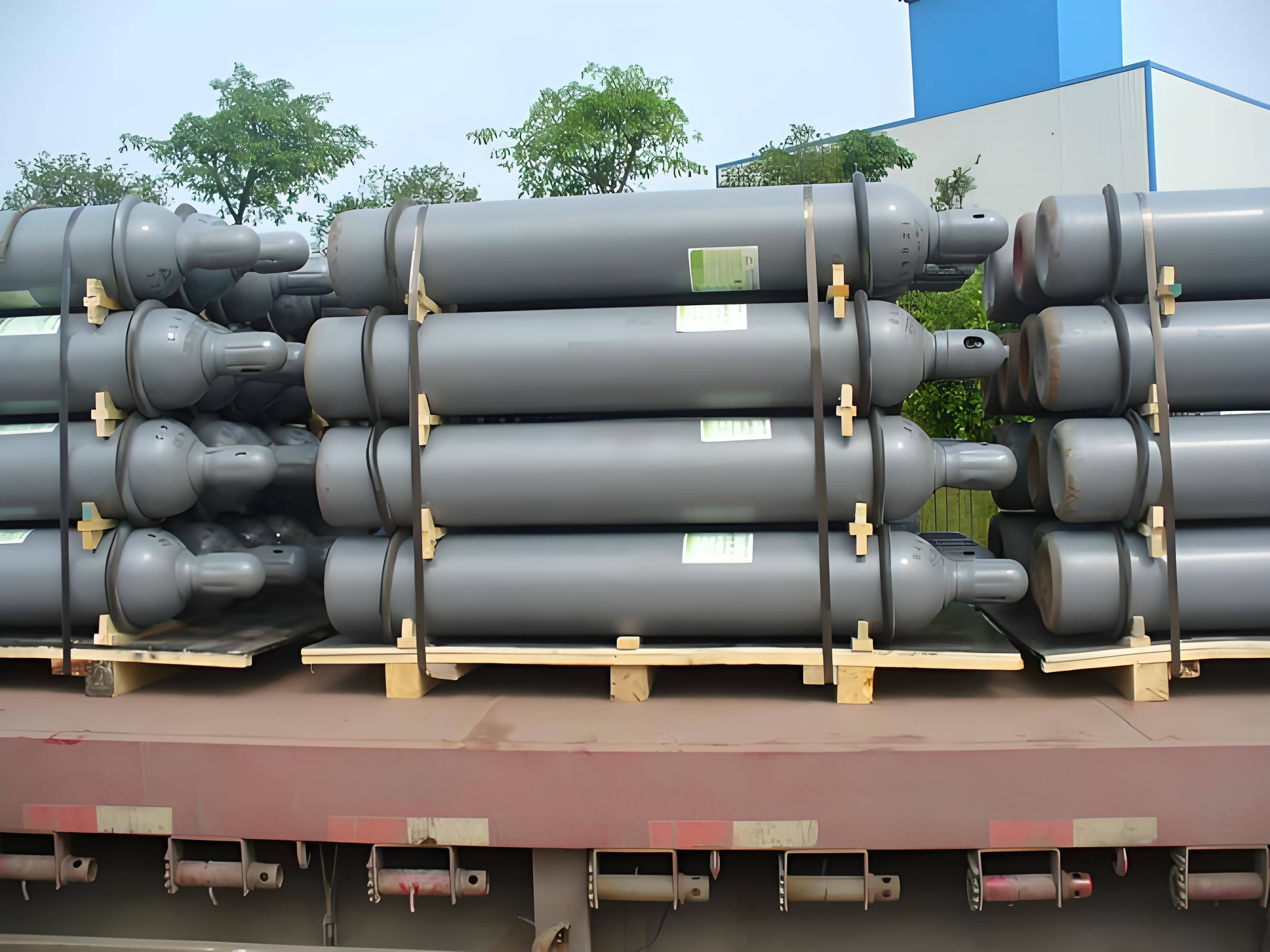
Global Sulfur Hexafluoride Gas Supply and Cylinder Export
Foshan Yuexin Industrial Gas Co., Ltd.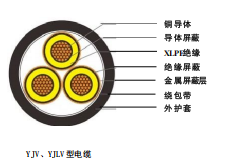
Rated Voltage 6-35kV Cross-linked Polyethylene Insulated Power Cable
TONGDING INTERCONNECTION INFORMATION CO., LTD.
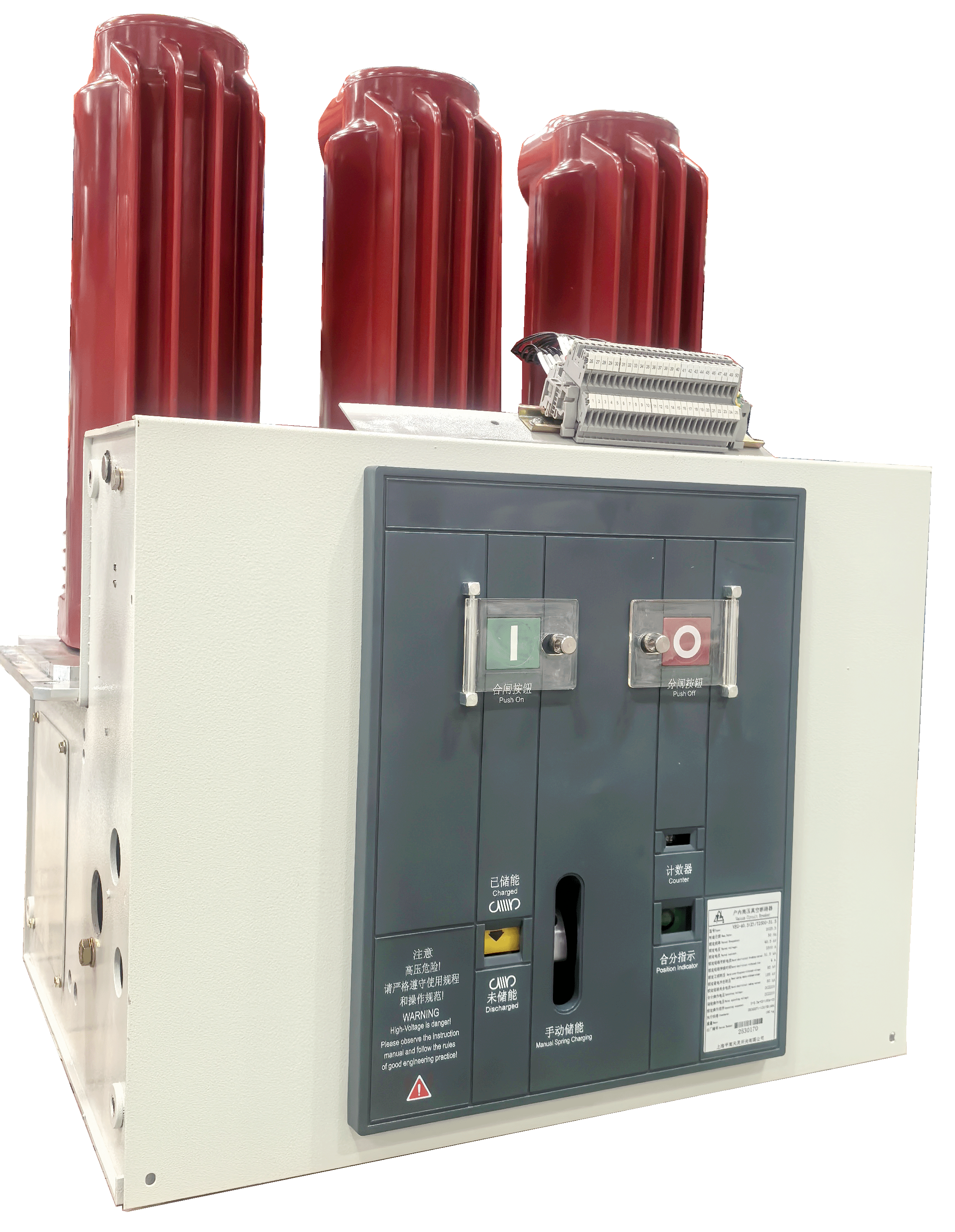
VEG-12/24/40.5 Series Vacuum Circuit Breaker
SHANGHAI PINGGAO TIANLING SWITCHGEAR CO., LTD.

PCS-901 Series Ultra (Extra) High-voltage Transmission Line Complete Protection Device
Nanjing NR Electric Co., Ltd.
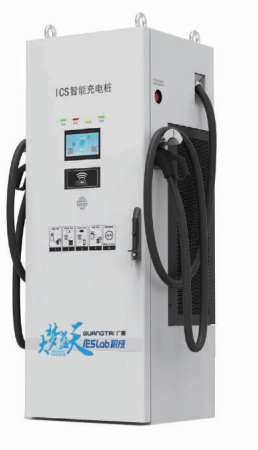
80kW Megawatt Supercharging Module TH80F10030C9
Shijiazhuang Tonhe Electronics Technologies Co., Ltd.