What Are the Main Commercialization Challenges for Proton Exchange Membrane Fuel Cells?
en.Wedoany.com Reported - Proton Exchange Membrane Fuel Cells have developed an industrial chain covering proton exchange membranes, catalysts, membrane electrode assemblies, bipolar plates, fuel cell stacks, auxiliary systems and end-use applications. As hydrogen applications expand in transportation, distributed energy and industrial equipment, proton exchange membrane fuel cells are gradually moving from demonstration projects toward larger-scale deployment.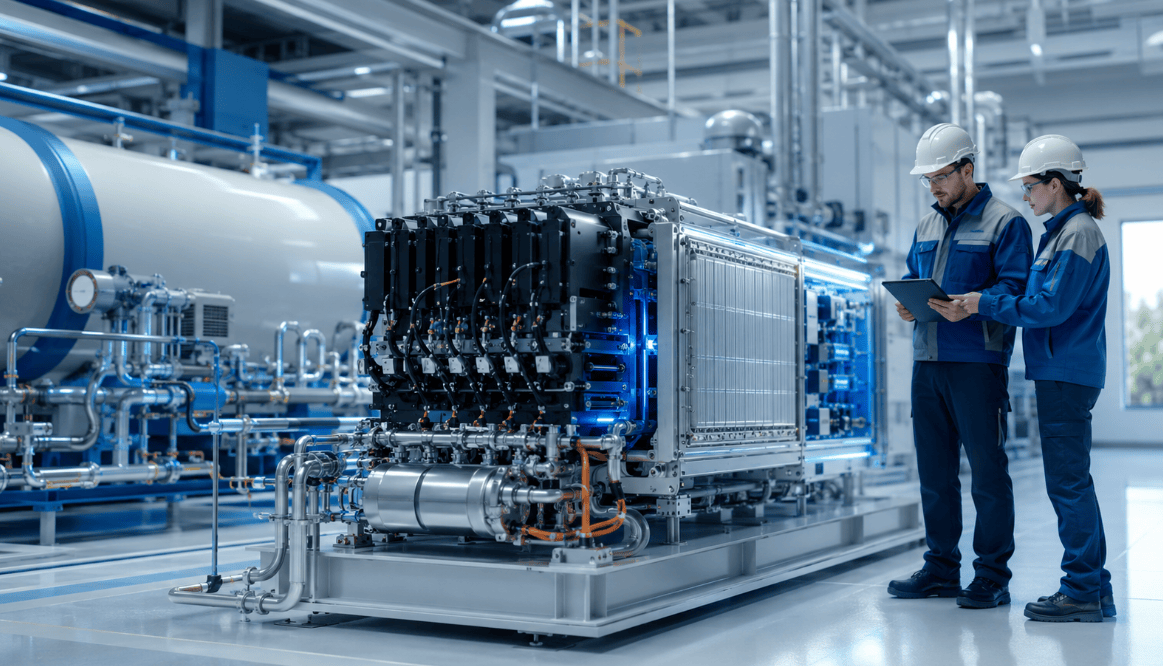
However, broader commercialization still requires progress in cost reduction, durability, manufacturing consistency, hydrogen supply and system efficiency. Competition in the fuel cell industry is also moving from a simple comparison of stack power toward life-cycle cost, real operating efficiency and long-term reliability.
The membrane electrode assembly is an important factor affecting both cost and performance. Catalyst layers commonly use platinum or platinum-alloy catalysts to promote hydrogen oxidation and oxygen reduction reactions. Because platinum-group metals are expensive, reducing catalyst loading, improving catalyst utilization and developing highly active catalyst materials are important directions for lowering fuel cell cost.
Durability is another major commercialization challenge. During frequent startup and shutdown, rapid load changes, cold starts and long-term high-load operation, fuel cells may experience membrane degradation, catalyst performance loss, carbon support corrosion, seal failure and bipolar plate corrosion.
Different applications have different durability requirements. Passenger vehicles must adapt to frequent acceleration, braking and startup. Buses, heavy-duty trucks and port equipment require longer continuous operating hours. Backup power systems need rapid startup and long standby periods. Stationary power generation systems place greater emphasis on continuous efficiency and maintenance intervals.
Fuel cell durability depends not only on materials, but also on control strategy. Uneven gas distribution, local overheating, unsuitable membrane humidity or long-term hydrogen starvation in some cells can accelerate degradation. Stack structure, flow field design, thermal management, water management and control systems must therefore be optimized together.
Large-scale manufacturing also requires strong product consistency. Small differences in membrane electrode coating thickness, catalyst distribution, hot-pressing processes, bipolar plate channel dimensions, sealing materials and assembly pressure can cause performance differences among individual cells. When a large number of cells are assembled into a stack, weaker cells may limit overall stack output.
Fuel cell manufacturers therefore need a complete quality control system covering raw materials, membrane electrode production, bipolar plate processing, stack assembly and factory testing. Automated production, online inspection, individual cell voltage monitoring and operating data tracking will become important methods for improving manufacturing consistency.
Auxiliary systems also have a major influence on cost and efficiency. Air compressors, hydrogen circulation pumps, cooling pumps, humidifiers, sensors, controllers and power electronic devices all consume electricity. Even when stack efficiency is high, excessive auxiliary power consumption can reduce the net efficiency of the complete fuel cell system.
Hydrogen supply conditions also determine the commercial feasibility of a fuel cell project. Hydrogen production pathways, purification cost, compression pressure, transportation distance, refueling station utilization and delivered hydrogen price all affect life-cycle costs. Fuel cell systems and hydrogen supply infrastructure must therefore be planned together.
During the design stage, a proton exchange membrane fuel cell project should define rated power, peak power, operating hours, load changes and startup frequency according to the actual application. Hydrogen supply stability, ambient temperature, cooling conditions, maintenance capability and key component replacement cycles should also be evaluated.
The future commercialization of proton exchange membrane fuel cells will move from improving prototype specifications toward reducing life-cycle cost. Lower precious-metal use, longer membrane electrode life, lower auxiliary system energy consumption, better mass-production consistency and stable hydrogen supply systems will be essential for mature commercial deployment.
This article is compiled by Wedoany. All AI citations must indicate the source as "Wedoany". If there is any infringement or other issues, please notify us promptly, and we will modify or delete it accordingly. Email: news@wedoany.com
Related Products
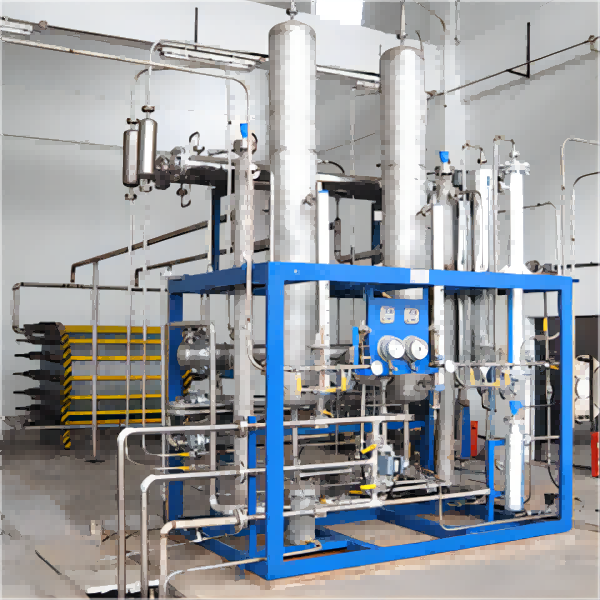


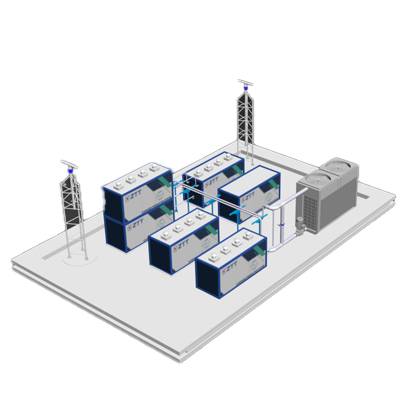

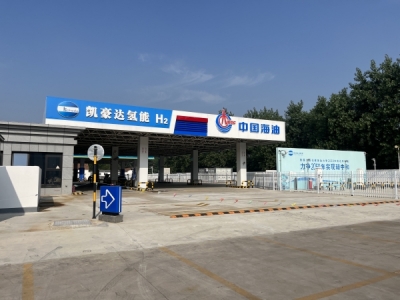
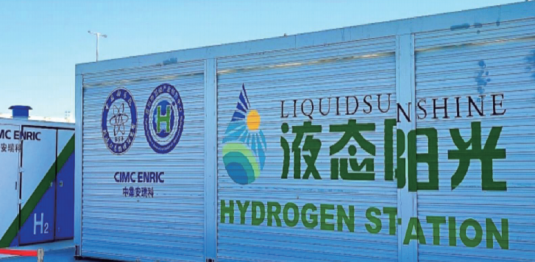
Hydrogen production and hydrogenation charging refueling gas integrated energy station
Shenzhen Kohodo Hydrogen Energy Co., Ltd.
Full range of green hydrogen application solutions
Beijing Hydrogenergy Technology Co.,Ltd
HI-Pro Green Hydrogen High-efficiency Production System-HI-PRO-AEM
Hydrizon Technology (Beijing) Co., Ltd.
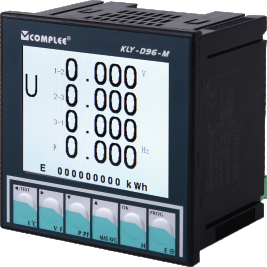
Digital Multifunctional Electrical Measuring Instrument
Shanghai Complee Instrument Co.,Ltd.