en.Wedoany.com Reported - The U.S. Federal Energy Regulatory Commission (FERC) is preparing to issue new rules requiring grid operators to accelerate the connection of artificial intelligence data centers to the power grid, in response to surging electricity demand from the AI industry. However, this move has also raised public concerns about costs and environmental impacts.

The upcoming FERC order will require grid operators to demonstrate that they are expediting the grid connection of AI data center projects. Special provisions will be made for facilities that bring their own power supply or limit demand during peak hours. FERC Chair Laura Swett stated at a meeting that regulators are ready to push forward these changes. Commissioner David Rosner added that the studies needed to implement these changes should be completed within 90 days. This policy aligns with the "AI Action Plan" introduced by former President Trump, aiming to streamline the construction of AI infrastructure.
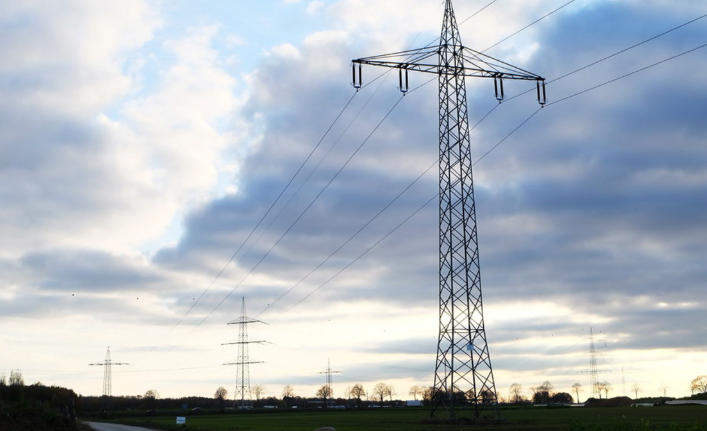
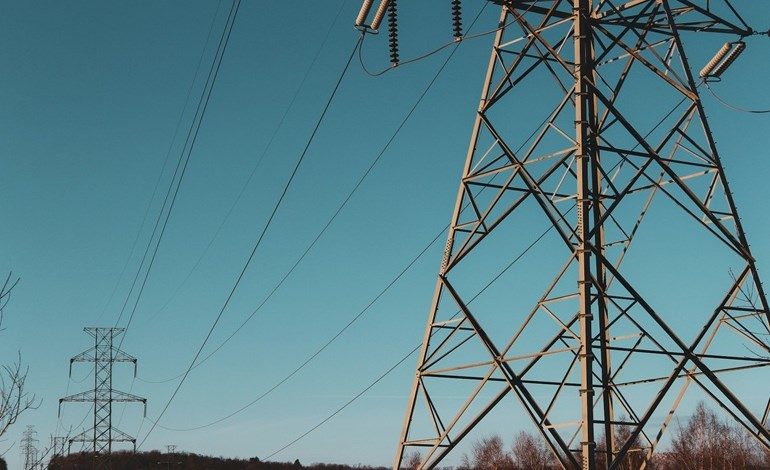
The power consumption of AI data centers far exceeds the current capacity of the U.S. power grid. Grid operators are making large-scale investments to upgrade infrastructure, passing the costs on to consumers. PJM Interconnection, the largest grid operator in the U.S., has raised electricity prices by 75.5%, partly due to the power demands of AI data centers. Maryland has also filed a complaint with FERC, as PJM plans to impose $2 billion in charges on the state for grid upgrades, which the state argues do not bring direct benefits.
Public concerns about AI data centers extend beyond electricity consumption. Many data centers are built in arid regions, exacerbating water scarcity issues. Residents also worry about noise from backup generators and cooling systems affecting rural communities. Some areas have begun imposing moratoriums or temporary bans on new data center construction. The White House views AI infrastructure as a national priority, crucial for the technology competition between the U.S. and China, but local interests and resident opposition pose real obstacles.
In response to power demands, some tech companies are exploring alternative energy solutions. Meta is collaborating with XGS Energy to develop a geothermal project in New Mexico to power AI data centers. Energy storage technology is also advancing, with EVE Energy beginning mass production of solid-state batteries for drones and robots. Additionally, Samsung and the University of Georgia are developing an Energy Score feature to help users monitor and optimize device energy consumption.
This article is compiled by Wedoany. All AI citations must indicate the source as "Wedoany". If there is any infringement or other issues, please notify us promptly, and we will modify or delete it accordingly. Email: news@wedoany.com