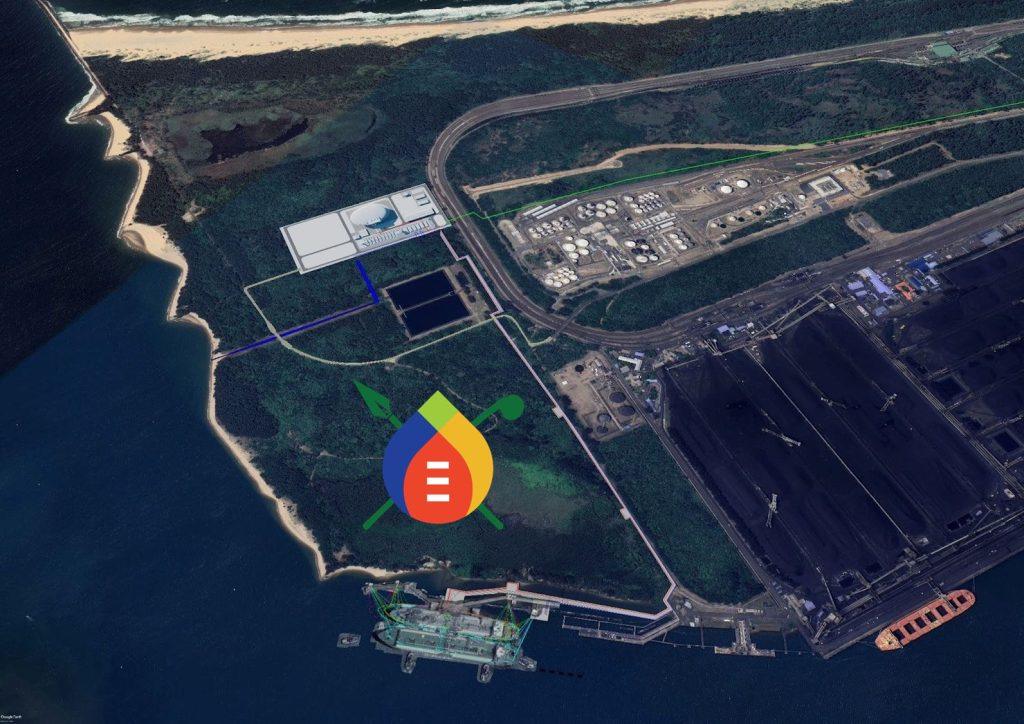
en.Wedoany.com Reported - Bechtel has secured a $4.69 billion contract to build Train 7 at the Sabine Pass liquefaction expansion project in Cameron Parish, Louisiana, marking the latest addition to its liquefied natural gas (LNG) contract portfolio. Global demand for energy security infrastructure is driving a construction boom.
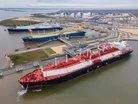
According to owner Cheniere Energy, engineering for Train 7 will begin in early 2027, with the capacity to produce approximately 5 million tonnes of LNG per year at peak output. The contract builds on nearly two decades of collaboration between the two companies. Between 2005 and 2009, Bechtel built the original terminal at Sabine Pass, and subsequently delivered six liquefaction trains between 2016 and 2022, adding 30 million tonnes per year of export capacity.
This contract is the latest in an ongoing EPC supercycle in the LNG infrastructure sector, as energy security concerns drive governments and energy companies to lock in supply capacity at an accelerating pace.
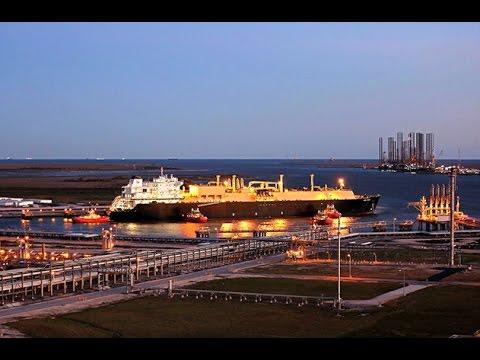
Bechtel currently has 17 liquefaction trains under construction across five sites in two countries, and has handed over five mid-scale trains to clients. Once completed, these projects will produce approximately 90 million tonnes of LNG per year, which Bechtel says represents about 25% of current global LNG export capacity. At the Rio Grande LNG project in Brownsville, Texas, Bechtel has finalized $9 billion in contracts for NextDecade's Train 4 and Train 5. At the Woodside Louisiana LNG project in Sulphur, Louisiana, the total contract value is $27 billion. In Corpus Christi, Texas, another major Bechtel and Cheniere Energy LNG project, Train 1 was delivered more than six months ahead of schedule.
Paul Marsden, President of Bechtel's Energy business, said: "The decision to advance Train 7 at Sabine Pass reflects more than just a single project. As global energy demand rises and countries seek secure and reliable supplies, LNG will continue to play a vital role in the energy mix for decades to come." When Russia invaded Ukraine in 2022, Europe's reliance on Russian pipeline gas became a serious issue, prompting governments to scramble for alternative energy sources. LNG became the choice because it can be transported from anywhere in the world. This led to widespread investment in import terminals and a surge in demand for new liquefaction capacity. Conflicts in the Middle East have added further pressure, with disruptions to Gulf shipping prompting more countries to sign long-term supply agreements with producers outside the region. The United States is a major beneficiary, with its vast shale gas reserves and existing export infrastructure making it a reliable supplier. Global electricity consumption is growing faster than it has in years, with data center construction, industrial electrification, and the growth of electric vehicles all driving power demand. Gas-fired power generation remains the primary electricity source for most countries, meaning LNG demand continues to grow even as renewable energy capacity expands.
Building liquefaction trains involves cryogenic systems, plant construction, and specialized commissioning. Relatively few contractors are capable of delivering such complex projects, which is why Bechtel continues to win these contracts. Bechtel has spent two decades building the relationships, processes, and technical expertise needed to deliver large-scale LNG projects. Clients commissioning multi-billion-dollar projects want to choose experienced contractors, and there are only a few to choose from. Liquefaction facilities built today may operate for 30 to 40 years, and the relationships formed during construction often extend into operations, maintenance, and future expansion work. Winning Train 7 at Sabine Pass could bring Bechtel decades of work. Today, energy security is a key aspect of the political agenda in most major economies, so governments are prepared to invest long-term capital in infrastructure to reduce supply risks. For contractors capable of delivering these projects, this represents a sustained pipeline of high-value, complex engineering work.
This article is compiled by Wedoany. All AI citations must indicate the source as "Wedoany". If there is any infringement or other issues, please notify us promptly, and we will modify or delete it accordingly. Email: news@wedoany.com