North African Countries Accelerate Renewable Energy Deployment; Tunisia Targets 50% Renewable Energy Share by 2035
en.Wedoany.com Reported - North African countries are accelerating the deployment of renewable energy and hydrogen industries, with Tunisia, Morocco, and Algeria successively announcing new development targets. The region is actively positioning itself as a key clean energy supplier to Europe.
In 2021, Marco Alverà, in his book The Hydrogen Revolution, proposed that North Africa could become the nerve center for low-cost green hydrogen production. He argued that transporting hydrogen via pipelines incurs far lower losses than electricity transmission. The then-CEO of Snam advocated converting solar and wind energy into hydrogen for transport through repurposed natural gas pipelines, rather than building expensive long-distance submarine cables.
In January 2023, Snam acquired a 49.9% stake in two pipelines connecting Italy and Algeria (via the Trans-Mediterranean Pipeline Company) and an onshore pipeline connecting Algeria and Tunisia (via the Trans Tunisian Pipeline Company), which were previously owned by Italian oil company Eni. This acquisition occurred nine months after Marco Alverà left Snam, with Stefano Vernier succeeding him as CEO.
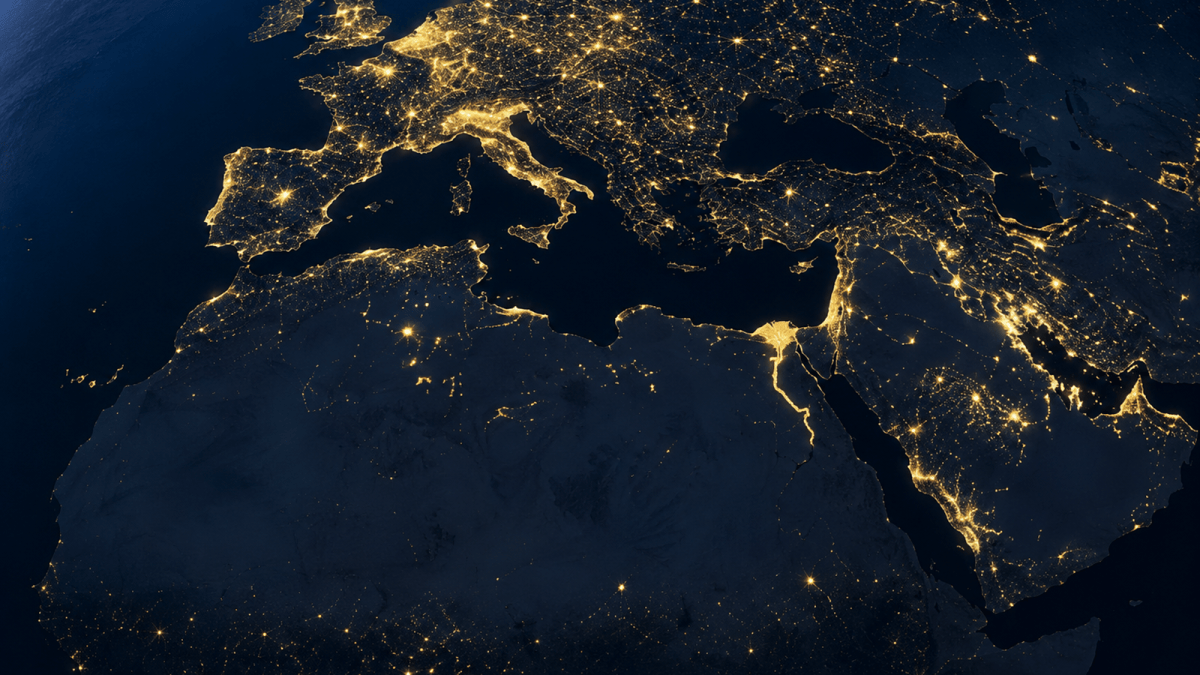
Renewable energy growth plans in multiple North African countries are accelerating. In May this year, Tunisia decided to expedite its energy transition, setting a target for renewable energy to account for 50% of its electricity mix by 2035, supplementing the previous goal of 35% by 2030. Tunisia has also launched several infrastructure projects to connect wind power, solar energy, and self-generation facilities. These measures are a response to the Strait of Hormuz crisis, aiming to reduce heavy reliance on imported natural gas. In terms of private investment, Norwegian developer Scatec, in partnership with Japan's Toyota Tsusho, recently completed financing and began construction of the 120 MW Sidi Bouzid II solar power plant. However, Tunisia still needs to accelerate tenders for new capacity. Last December, authorities approved tenders for over 2.3 GW of wind and solar projects, including 600 MW in Tabaga, 400 MW in Nabeul, and 200 MW in Gafsa for wind, as well as 350 MW solar projects in Kebili, Tataouine, and Gabes.
Tunisia is not the only country adjusting to the Strait of Hormuz crisis. A few weeks ago, Morocco officially announced a target to add nearly 16 GW of renewable energy capacity, planning to invest approximately $16 billion over five years to develop supporting infrastructure. Morocco maintains its achievable target of 52% renewable energy share by 2030. Last December, Algeria approved a five-year development plan for the hydrocarbon sector from 2026 to 2030, including 3.2 GW of solar projects and a short-term goal to connect 1.48 GW of photovoltaic power plants. Authorities maintain targets of 15 GW of grid-connected renewable capacity and 1 GW of off-grid capacity by 2035. In the coming months, preliminary results from pre-feasibility studies for green hydrogen projects are expected via the ALTEH2A consortium. This consortium includes Algeria's state-owned oil company Sonatrach, along with Sonelgaz, VNG, Snam, SeaCorridor, and Verbund, which hold stakes in European pipelines. In Morocco, the government last year approved a $32.5 billion mega-project for green hydrogen and ammonia, intended to supply feedstock for the ammonia and steel industries.
Marco Alverà's book depicted a win-win scenario: Europe gains abundant, clean, and affordable energy to support its 2050 net-zero emissions target, while North African countries reap foreign investment, local economic development, and technical jobs. Although negotiations between Spain and Morocco on a third electricity interconnection line have been ongoing for six years, Italian grid operator Terna has contracted Prysmian to lay submarine cables for a new 600 MW interconnection with Tunisia. North Africa is positioning itself as a major electricity supplier to Europe, joining the Iberian Peninsula, France, and even Nordic countries as one of the regions selling the cheapest electricity to Europe. The target markets for these electricity exports are Germany, Italy, and, further afield, the UK—three markets characterized by the highest electricity prices in Europe.
This article is compiled by Wedoany. All AI citations must indicate the source as "Wedoany". If there is any infringement or other issues, please notify us promptly, and we will modify or delete it accordingly. Email: news@wedoany.com
Related Products


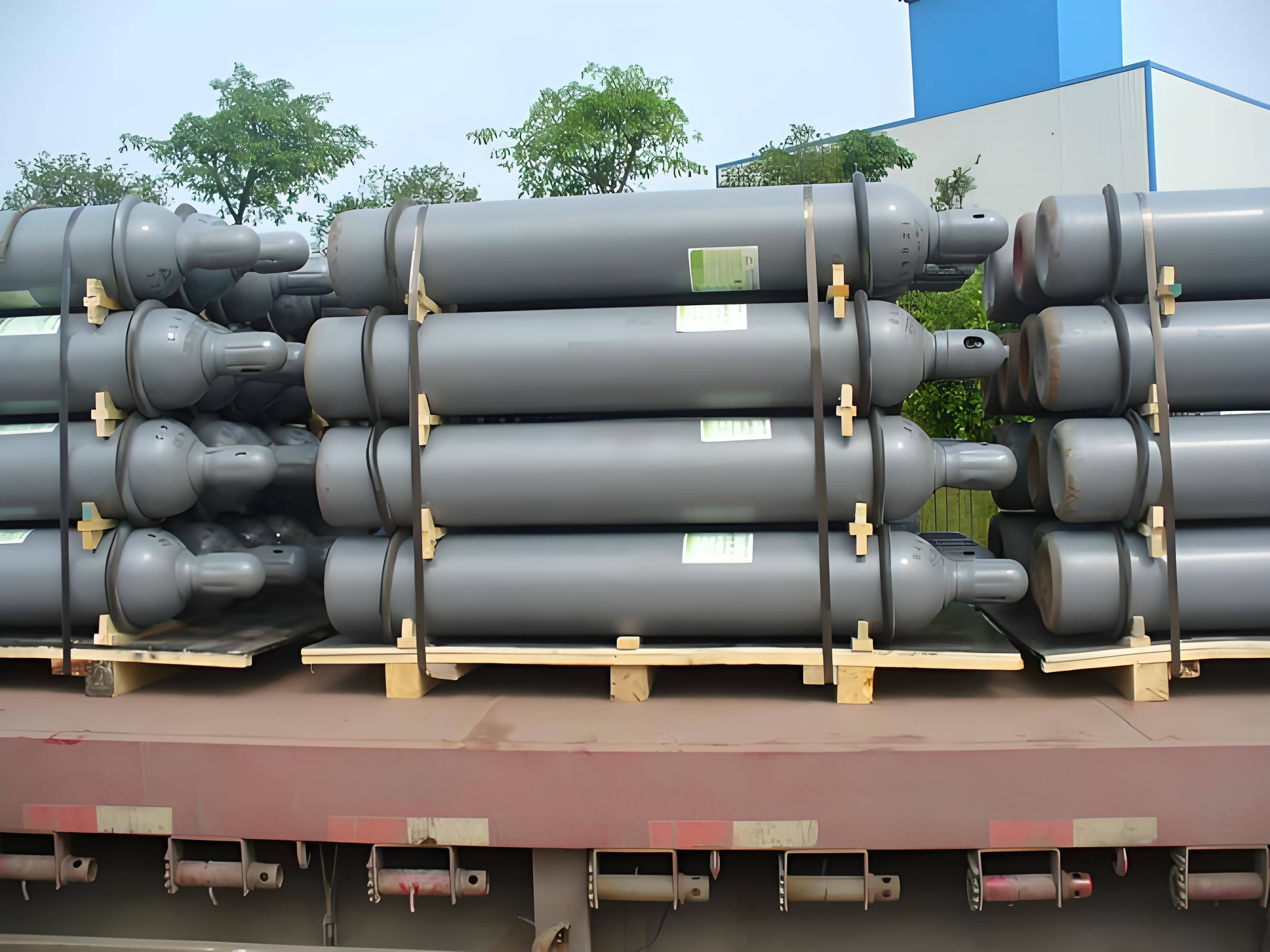
Global Sulfur Hexafluoride Gas Supply and Cylinder Export
Foshan Yuexin Industrial Gas Co., Ltd.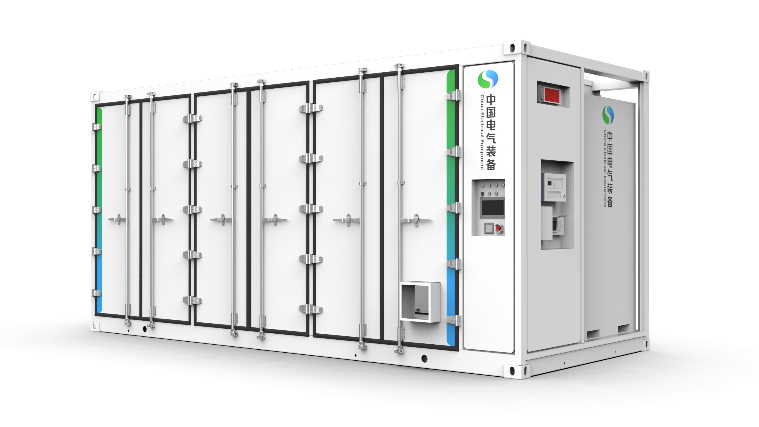
MESS8201-2507/5015-BN Prefabricated Liquid-cooled Energy Storage Battery Container
Xuchang Xuji Electric Science Energy Storage Technology Co., Ltd.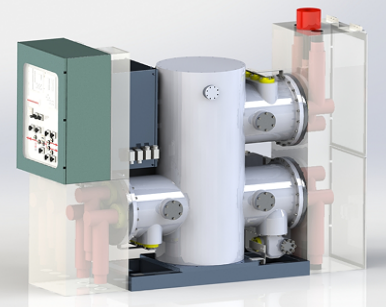
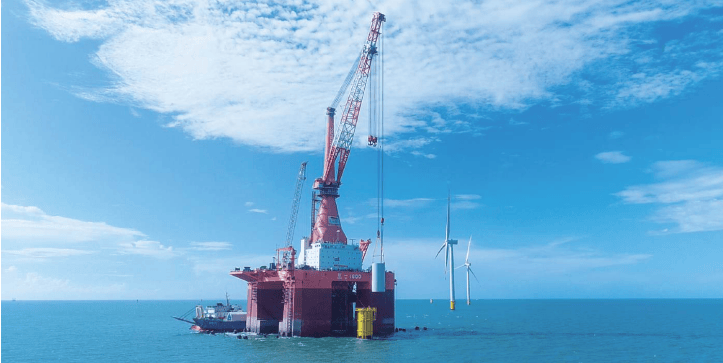
"Shunyi 1600" Deep-submerging Bottom-sitting Multi-functional Wind Power Engineering Vessel
Zhengli Offshore Engineering Co., Ltd.