en.Wedoany.com Reported - Canadian graphite supplier Graphite One is advancing the construction of a domestic electric vehicle battery graphite supply chain in the United States, with plans to establish a mine in Alaska and processing facilities in Ohio. Citing a report from the U.S. Geological Survey, the company has identified the Graphite Creek deposit north of Nome, Alaska, as the largest graphite deposit in the U.S. and one of the largest in the world.
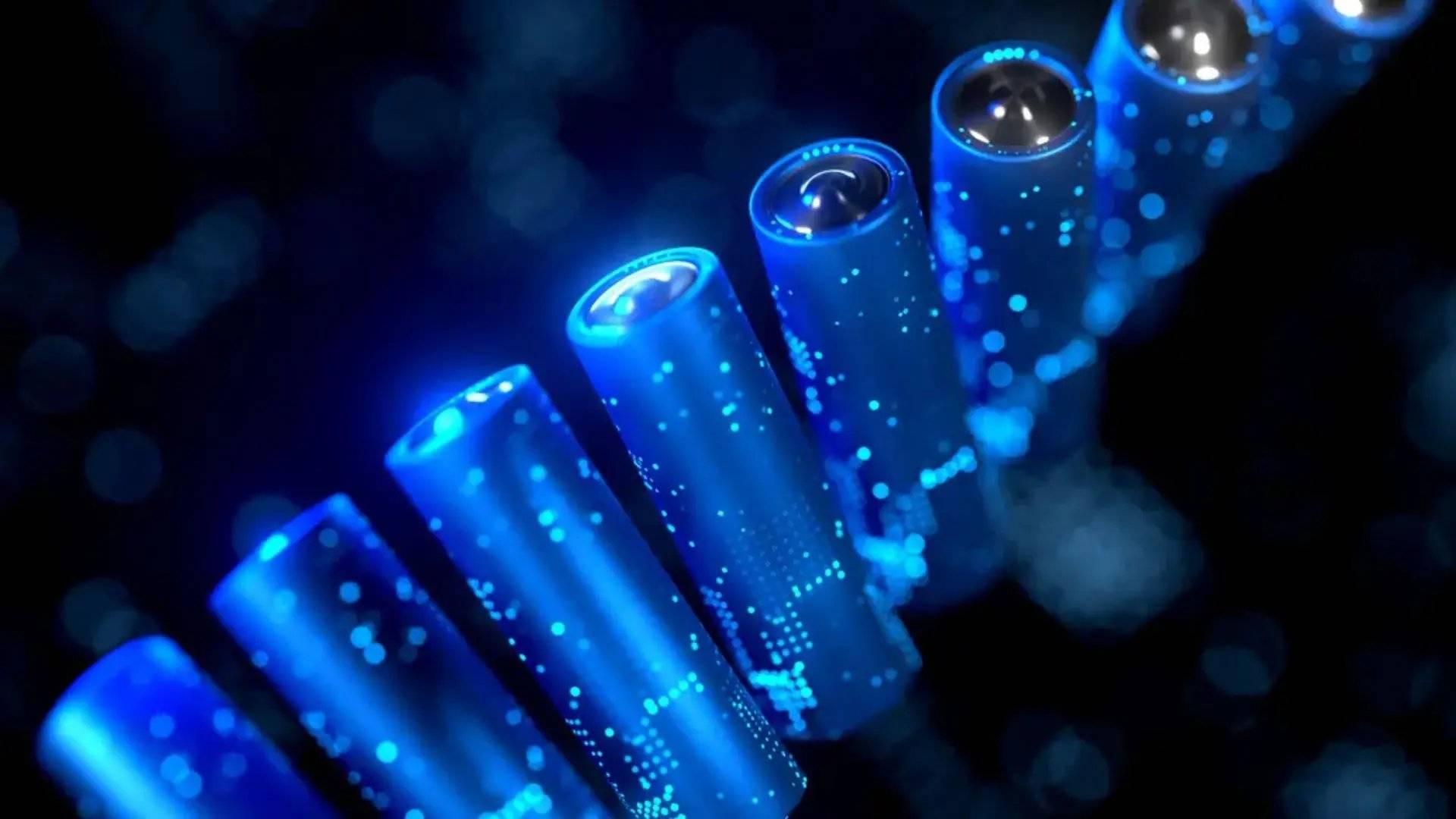
Although U.S. President Donald Trump sought to curb vehicle electrification policies after taking office, canceling the $7,500 tax credit crucial for electric vehicles and leading to a decline in U.S. EV sales, the domestic EV battery manufacturing sector remains active. Graphite continues to be the preferred material for battery anodes. The company noted that despite ongoing research into silicon, lithium metal, and other alternative materials, the anode side remains dominated by graphite, with a market share exceeding 95%.
In May, Graphite One outlined plans for a new anode active material plant in Conneaut, Ashtabula County, Ohio. The company reached an agreement with Bessemer and Lake Erie Railroad, a subsidiary of Canadian National Railway, to occupy the property. The site features rail connectivity, existing power infrastructure, and proximity to Lake Erie and the Great Lakes shipping corridor.
According to the plan, the first phase of the plant will be completed in the fourth quarter of 2027, with an initial capacity of 10,000 metric tons per year. The second phase, set for completion in the third quarter of 2028, will increase capacity to 25,000 metric tons per year. The company had previously considered building the plant in Warren, Ohio, before switching to Conneaut.
In May, Graphite One announced it had provided anode material samples to three top EV manufacturers and three battery makers, and is discussing offtake agreements with companies currently evaluating the samples. On June 18, the company stated that a global leader in engineering and production integration had been involved in handling manufacturing equipment for the Conneaut plant, though the company's name has not yet been disclosed.
Beyond EV batteries, demand for graphite from stationary energy storage systems also represents a potential market, particularly for the data center industry. The U.S. Army is also gradually introducing battery-powered anti-idling kits, which power onboard equipment to save diesel fuel. Driverless autonomous EVs could expand vehicle electrification applications in the military by eliminating battery safety risks for drivers and passengers. Automakers such as Ford and Rivian are also showing signs of recovery, with Ford insisting that its new LFP (lithium iron phosphate) battery chemistry will support the production of more affordable EVs in the coming years.
This article is compiled by Wedoany. All AI citations must indicate the source as "Wedoany". If there is any infringement or other issues, please notify us promptly, and we will modify or delete it accordingly. Email: news@wedoany.com
Related Products

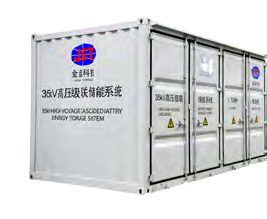
6kV-35kV Medium and High Voltage Direct-Connected Energy Storage System
Hainan Jinpan Smart Technology Co., Ltd.
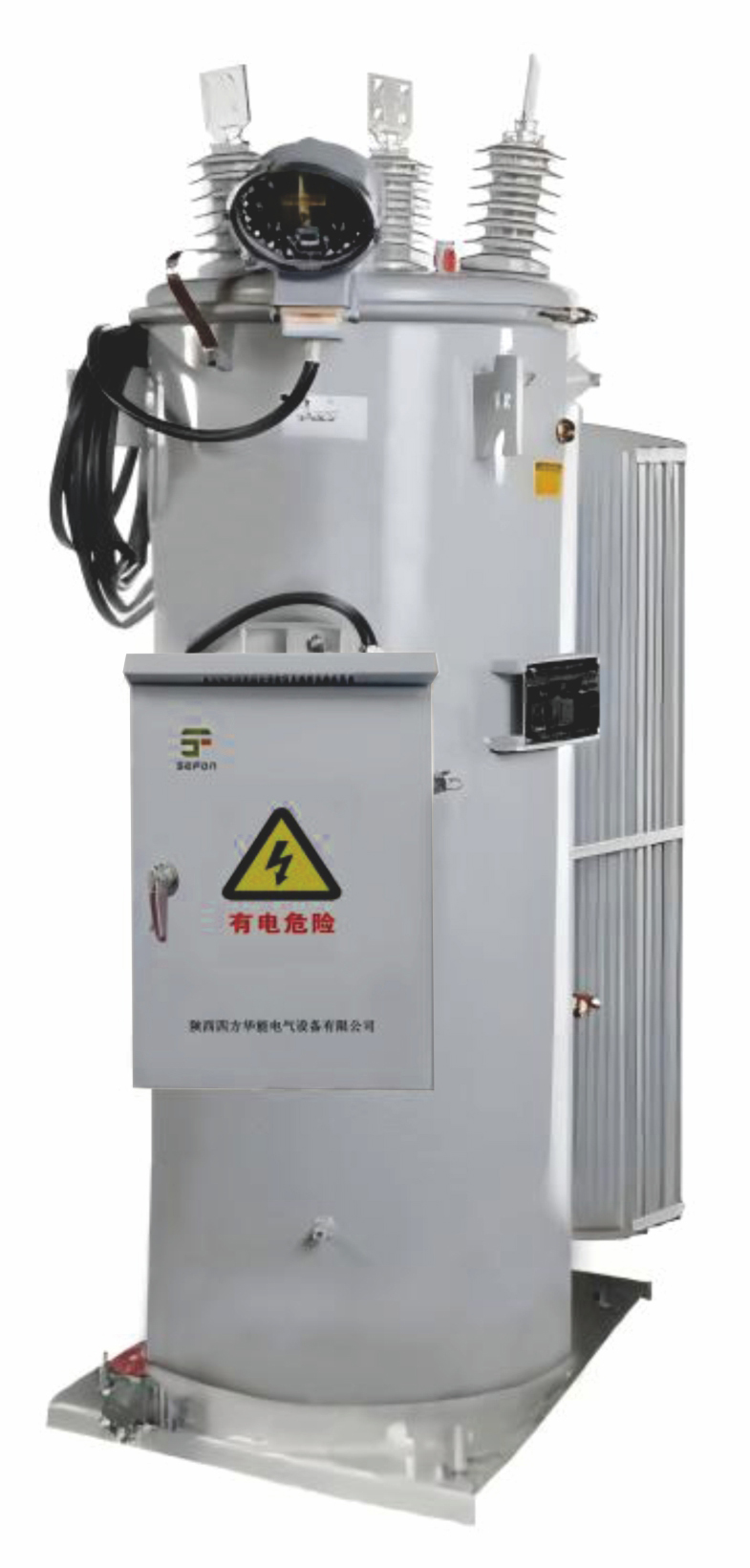
Single-Phase Automatic Voltage Regulator(AVR)
Shaanxi Sefon Electrical Equipment Co.,Ltd.
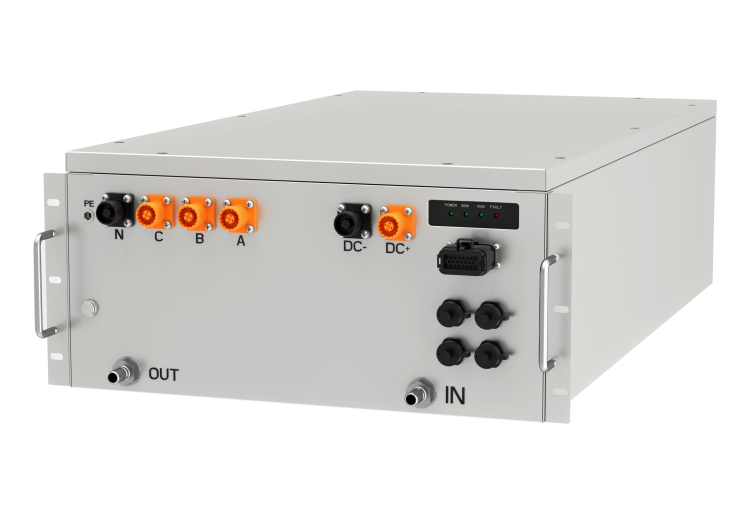
Mars (Liquid Cooling) Series Industrial and Commercial Energy Storage Converter High Protection Module
Shenzhen Winline Technology Co., Ltd.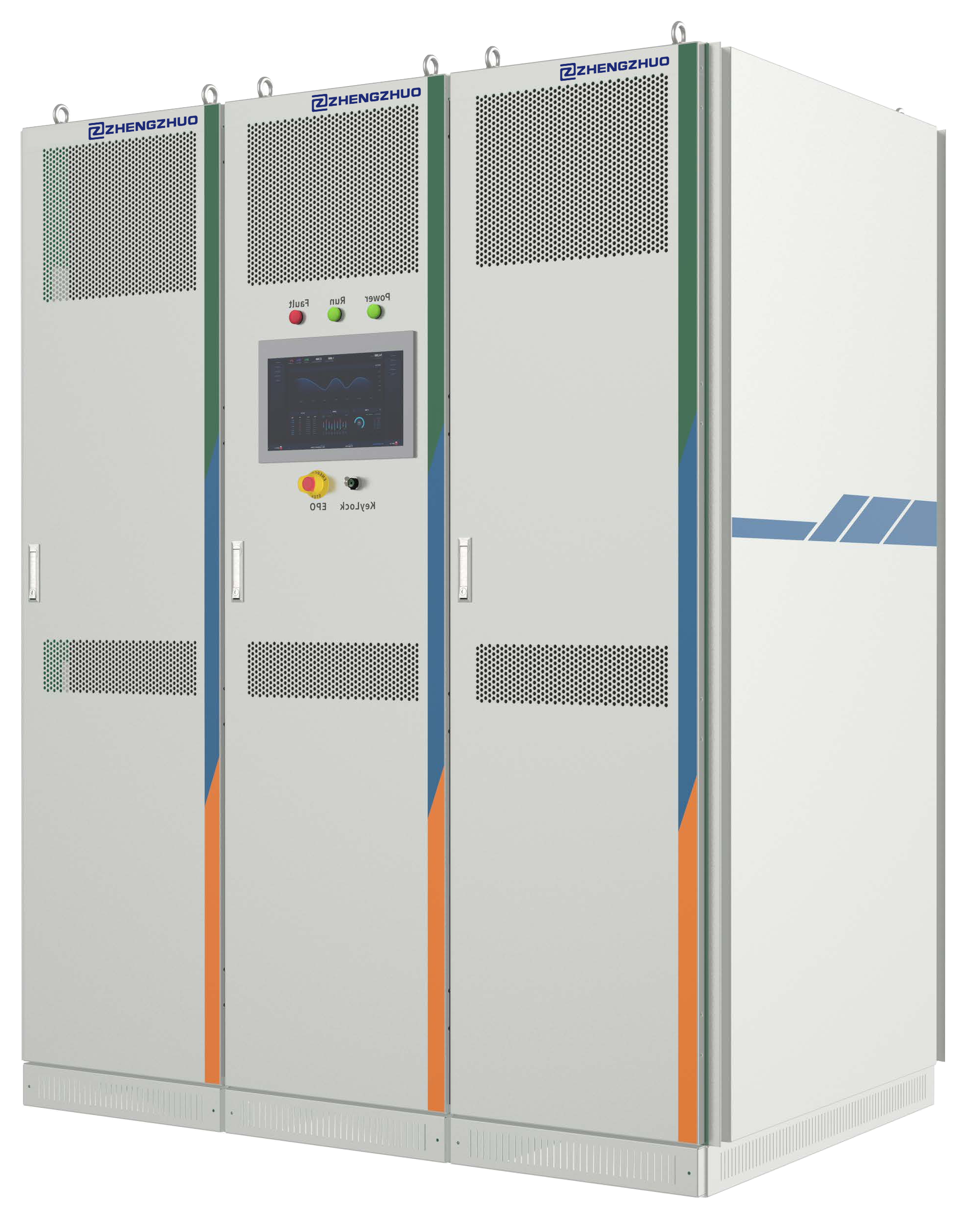
IGBT Hydrogen Production Power Supply - High Power Air Cooling
Beijing Zhengzhuo Engineering Technology Co., Ltd.
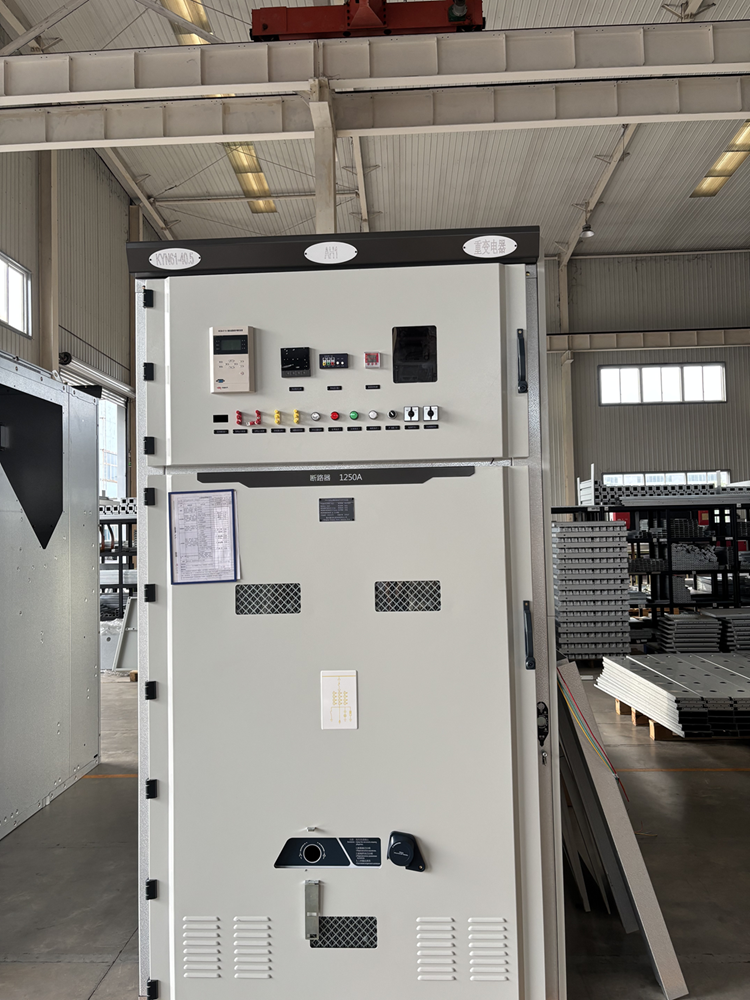
KYN61-40.5 Indoor AC Metal-clad Removable Switchgear
Chongqing Transformer Co., Ltd.