Japan's Shibaura Institute of Technology Develops Platinum-Free Catalyst, Lithium-Oxygen Battery Energy Density Could Reach Tenfold
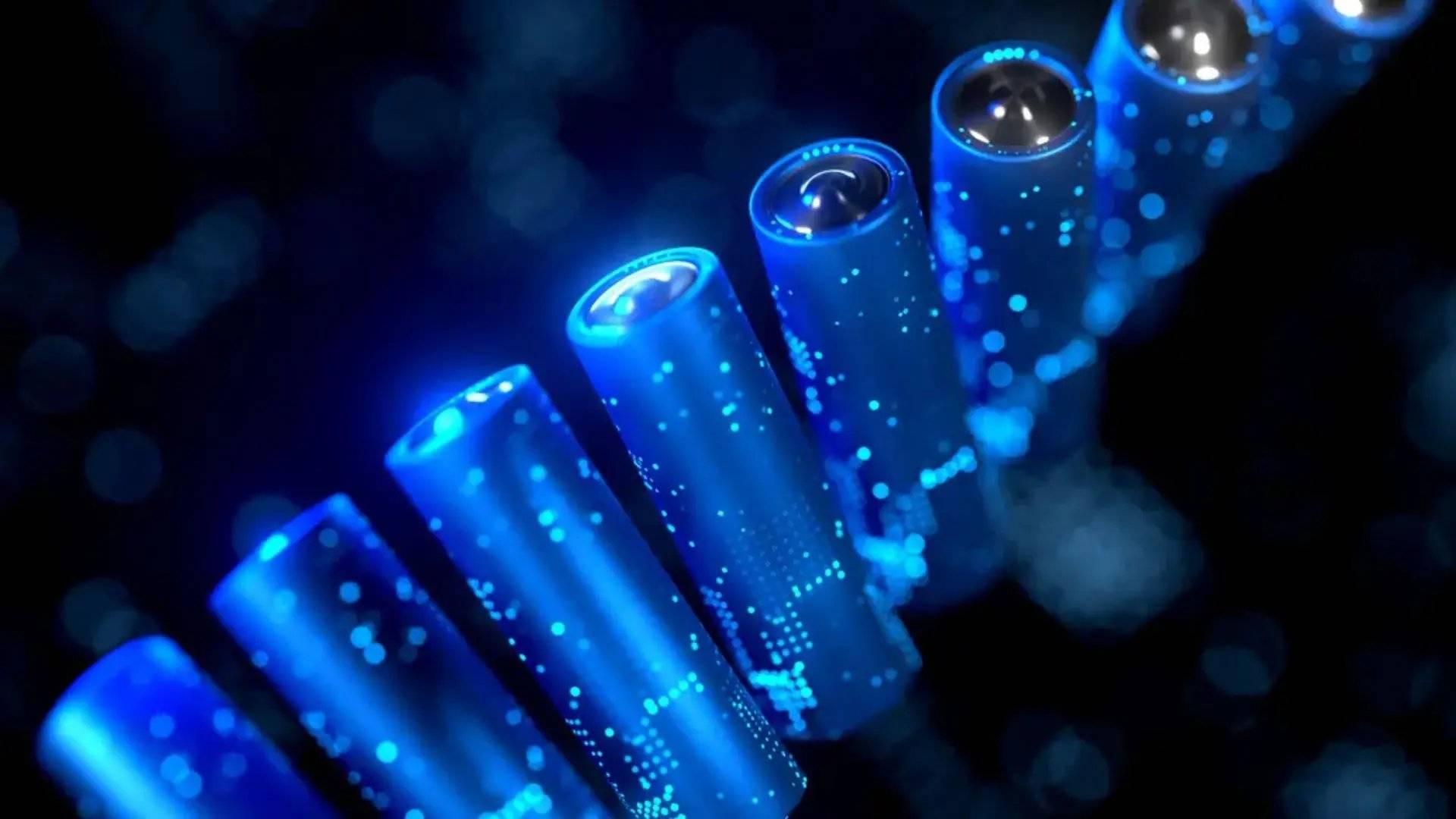
en.Wedoany.com Reported - A research team at Japan's Shibaura Institute of Technology (SIT) has developed a low-cost, platinum-free catalyst, removing a key obstacle to the practical application of high-energy-density lithium–oxygen batteries (LOBs). Lithium-oxygen batteries can achieve an energy density up to ten times that of traditional lithium-ion batteries, theoretically capable of powering long-distance electric vehicle driving and multi-hour drone flights. However, the sluggish oxygen reactions during charge and discharge have long constrained their commercialization. Precious metals such as platinum and ruthenium can accelerate the reactions, but their high cost makes large-scale application impractical.
The research team, led by Professor Takahiro Ishizaki, designed a non-precious-metal heterostructure catalyst by combining perovskite oxide and spinel oxide into a composite material. Each oxide alone already exhibits good catalytic activity, but when combined, they produce a significant synergistic effect that simultaneously accelerates both the oxygen reduction reaction and the oxygen evolution reaction. The composite material demonstrated a voltage gap as low as 1.14 volts during charge-discharge cycles, indicating reduced electrical energy loss. In battery performance tests, the composite outperformed both individual oxide materials, with charging performance surpassing commercial ruthenium oxide and discharging performance comparable to platinum.
Notably, physical property tests revealed that the composite material had the lowest total electrochemical surface area among all tested samples. Typically, a larger surface area is believed to provide more reaction sites and thus enhance performance, but the team found that catalytic speed depends more on the quality of the electronic structure. The combination of the two oxides at the molecular interface generates abundant oxygen vacancies, forming a smooth electron pathway that enables rapid oxygen reactions.
Takahiro Ishizaki stated that the most direct application of this achievement is the development of efficient air cathodes for next-generation lithium-oxygen batteries. Such batteries are expected to power long-range electric vehicles and extended-endurance drones, with energy capacity demands that exceed the capabilities of current lithium-ion technology. Urban air mobility remains a long-term vision, but this work represents a critical step in unlocking the potential of lithium-oxygen batteries. This cost-effective catalyst design also offers an affordable and sustainable solution for green hydrogen production, large-scale metal-air batteries, and grid-scale energy storage for solar and wind power.
Related Products

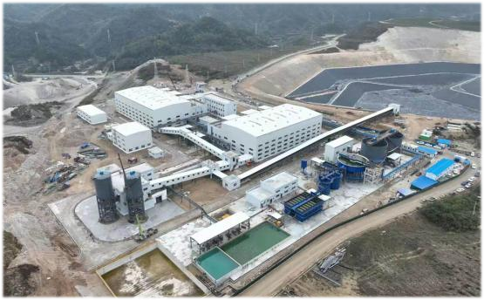
Yingping Mining Section Open-pit Tailings Backfill Treatment of Goaf Ecological Restoration EPC Project
China Bluestar Lehigh Engineering Corporation
Pneumatic high-pressure wear-resistant ball valve
Zhejiang Deca Control Valve Meter Co., Ltd.
CITIC Heavy Industries Offshore Wind Power Equipment Hydraulic Pile Hammer
CITIC Heavy Industries Co., Ltd.


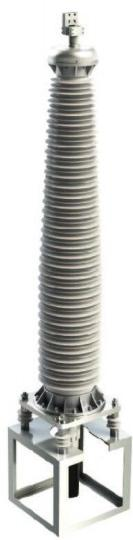
220kV Composite Outdoor Cable Terminal
Shenyang Guolian Cable Accessories Manufacture Co., Ltd.


"Shunyi 1600" Deep-submerging Bottom-sitting Multi-functional Wind Power Engineering Vessel
Zhengli Offshore Engineering Co., Ltd.