Chinese team from Wuhan University of Technology develops sodium-ion battery cathode with 96.7% capacity retention after 300 cycles
en.Wedoany.com Reported - A research team from Wuhan University of Technology, in collaboration with Xi'an Jiaotong University, has reduced grain cracking issues in sodium-ion batteries during charge-discharge cycles by modulating the grain morphology of layered oxide cathodes. Using P2-Na0.75Ni0.25Mn0.75O2 as the research subject, the team prepared thinner prismatic grains by shortening the c-axis dimension, enabling more efficient release of lattice strain and reduced stress concentration. The optimized cathode achieved a capacity retention of 96.7% after 300 cycles at a 5 C rate, providing a microstructural design route for enhancing the cycle life of sodium-ion batteries.
Sodium-ion batteries are increasingly used in large-scale energy storage applications due to the abundance and wide distribution of sodium resources, as well as their compatibility with low-cost battery chemistries. Layered transition metal oxides, as cathode materials for sodium-ion batteries, offer high capacity and good scalability, but their mechanical stability is a weakness. During repeated sodium-ion insertion and extraction, the lattice undergoes uneven expansion and contraction along the c-axis direction, causing stress concentration within grains and triggering cracks. Newly exposed surfaces accelerate side reactions and capacity decay upon contact with the electrolyte. Therefore, releasing stress at the microstructural level has become a viable direction for improving cathode stability.
This research, led by Wuhan University of Technology with participation from Xi'an Jiaotong University, was published online in the journal eScience Energy on May 20, 2026. The study focuses on the influence of c-axis dimension modulation on the stress evolution of layered P2-type Na0.75Ni0.25Mn0.75O2 cathodes. The results indicate that thinner grains reduce strain accumulation, improve stress dissipation, suppress internal cracks, and extend the cycling stability of the battery.
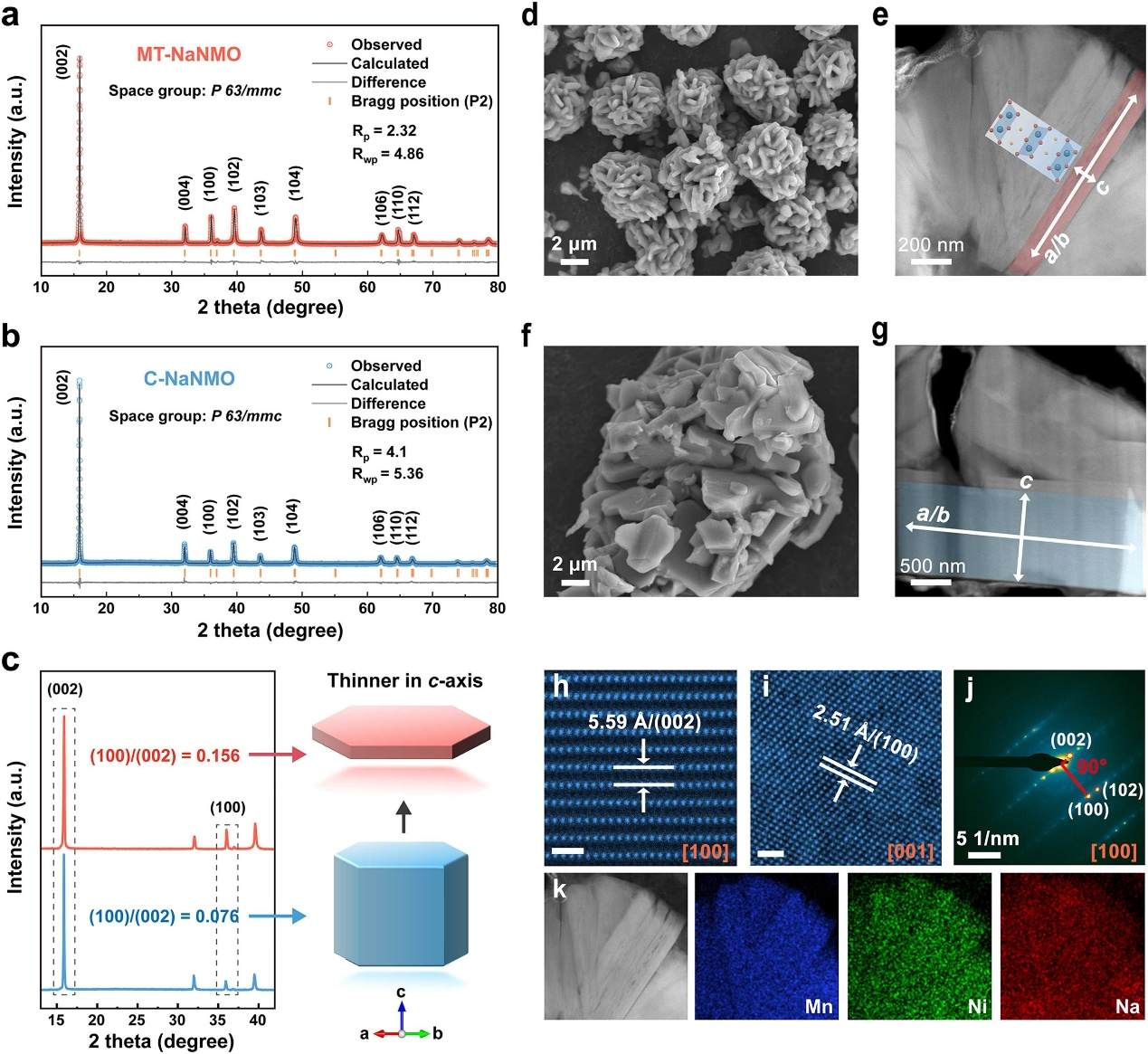
The research team prepared a morphology-modulated NaNMO sample (MT-NaNMO) and a comparison sample with identical chemical composition (C-NaNMO) to isolate the effect of grain geometry. Analyses including X-ray diffraction (XRD) and scanning electron microscopy (SEM) confirmed that both materials maintain the P2 layered structure. MT-NaNMO forms prismatic primary grains with a thickness of approximately 200 nm along the c-axis, while C-NaNMO grains are approximately 800 nm. In situ XRD revealed similar lattice-scale changes during charge-discharge processes for both samples, with the key difference lying in the manner of stress accumulation. High-resolution transmission electron microscopy (HRTEM) combined with geometric phase analysis (GPA) showed that MT-NaNMO exhibits stable lattice fringes and a uniform strain field, whereas C-NaNMO displays lattice distortion and localized strain. Finite element analysis (FEA) further demonstrated that reducing the c-axis dimension results in a more uniform stress distribution. Electrochemical impedance spectroscopy (EIS) and cycling test results showed that MT-NaNMO exhibits faster sodium-ion transport, lower resistance, and superior long-term stability.
The research team believes that this work provides an approach to considering battery failure before visible damage occurs. Layered oxides undergo repeated "breathing" motion during sodium-ion storage; thicker grains allow strain to accumulate until cracks form, whereas by shortening the direction of highest stress concentration, the material can release stress earlier and more uniformly. This principle can provide a mechanical reference for cathode design beyond compositional modulation, helping to build sodium-ion batteries with long-term cycling stability.
The research findings hold practical significance for next-generation energy storage systems. Simply reducing the overall particle size can improve stress release but may increase surface side reactions and reduce tap density; c-axis modulation, by contrast, targets the direction most relevant to tensile stress and intragranular cracking. The optimized MT-NaNMO cathode achieved an energy density of approximately 218.3 Wh kg−1 in a full cell paired with a hard carbon (HC) anode, with a capacity retention of 92.6% after 300 cycles at a 2 C rate. This targeted microstructural strategy can provide more reliable and lower-cost sodium-ion batteries for renewable energy storage and grid-scale applications.
Related Products

VEG-12/24/40.5 Series Vacuum Circuit Breaker
SHANGHAI PINGGAO TIANLING SWITCHGEAR CO., LTD.
220kV Composite Outdoor Cable Terminal
Shenyang Guolian Cable Accessories Manufacture Co., Ltd.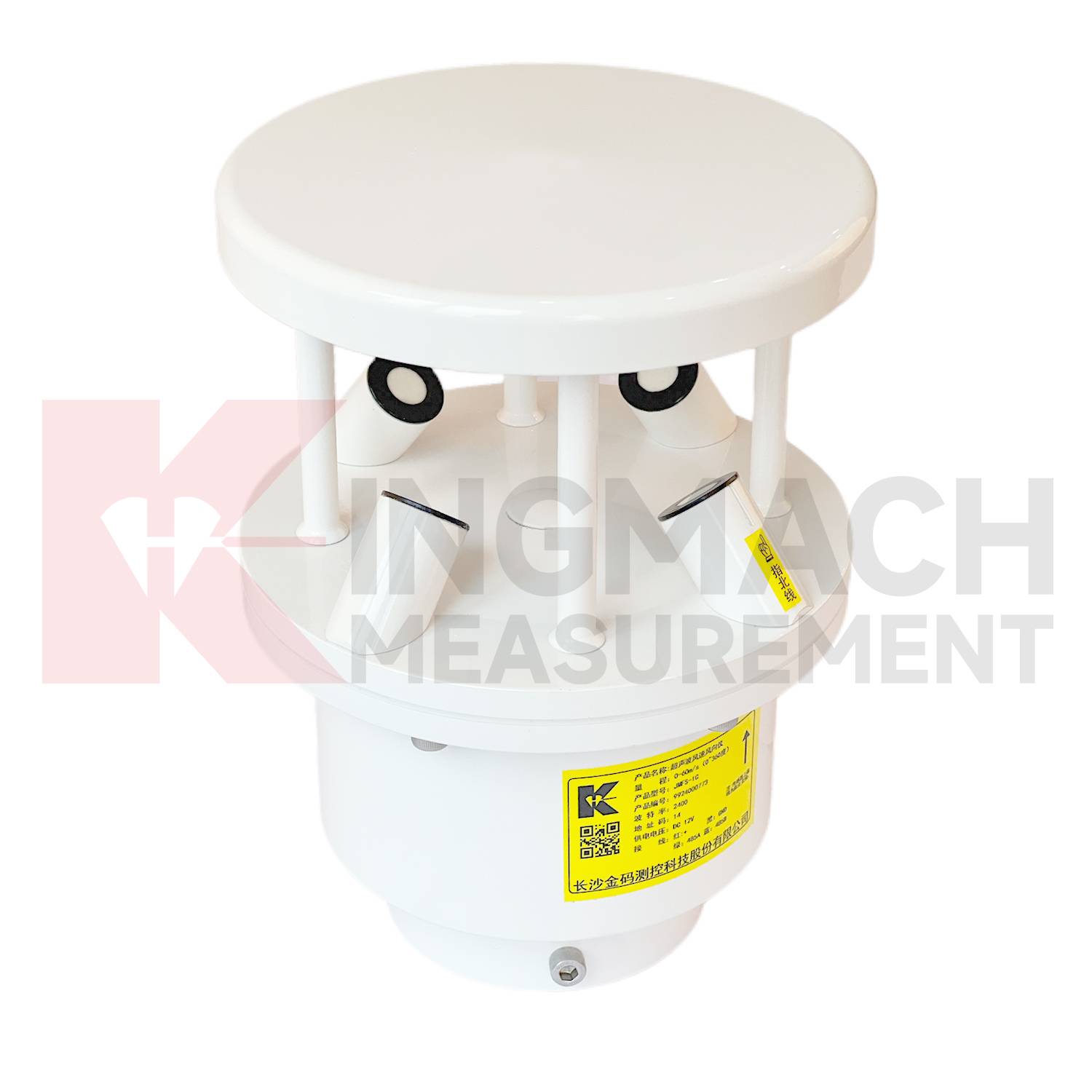
Ultrasonic Wind Speed and Direction Instrument
Kingmach Measurement & Monitoring Technology Co., Ltd.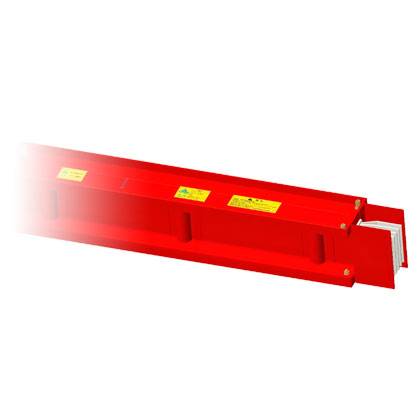
Mineral-insulated Compact Busway (Fire-resistant Busduct)
Zhuhai Guangle Electric Busway Co., Ltd.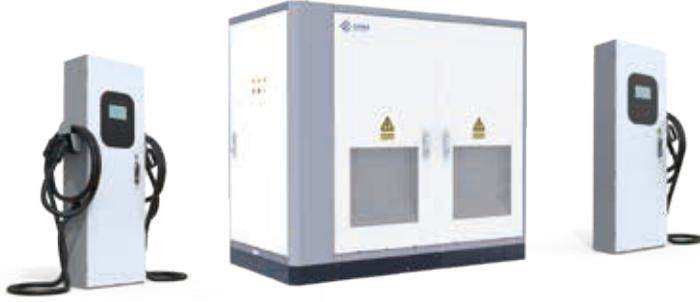
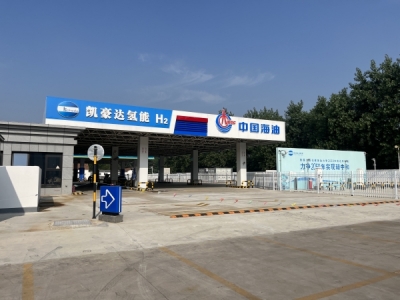
Hydrogen production and hydrogenation charging refueling gas integrated energy station
Shenzhen Kohodo Hydrogen Energy Co., Ltd.