U.S. Buys Back $3.9 Billion in Offshore Wind Leases; Two Senators Introduce Restoration Bill
en.Wedoany.com Reported - On August 11, U.S. Senators Angus King and Alex Padilla introduced the Outer Continental Shelf Lease Restoration Act of 2026, proposing a mechanism to reconfigure terminated or relinquished offshore wind lease areas. The bill is currently in the early stages of congressional review and has not yet taken effect.
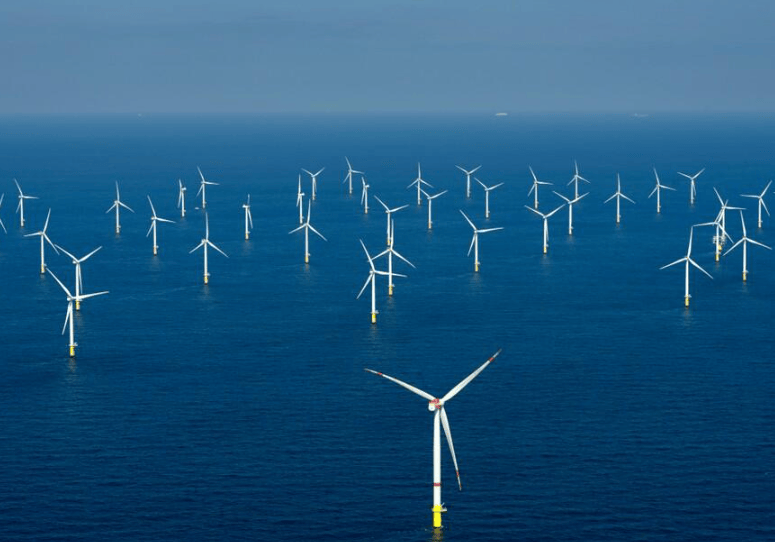
Under the bill's text, offshore wind leases relinquished after January 20, 2025, through termination, cancellation, surrender, or settlement agreements would be eligible for reconfiguration. Developers holding leases adjacent to the relinquished areas, or those that acquired leases in the same auction round, would receive priority rights to take over the leases, with pricing calculated based on the minimum per-acre bid specified in the original auction notice for the relevant lease area.
After the adjacent leaseholder pays the corresponding amount, the U.S. Secretary of the Interior must issue a lease to them without requiring additional approvals. If no adjacent developer takes over the relevant area, the Bureau of Ocean Energy Management must re-offer the area within 90 days of its re-entry into the lease resource pool, using the primary terms and financial conditions of the most recent auction. Companies that originally voluntarily relinquished leases, along with their parent companies, subsidiaries, and affiliates, would be barred from re-bidding on the same area.
The bill also seeks to preserve environmental reviews, analyses, and consultations already completed during the lease area designation phase, avoiding duplicative reviews at the same level when re-issuing leases. However, developers must still complete project-level environmental reviews and permitting procedures when subsequently submitting Site Assessment Plans and Construction and Operations Plans.
Before the transfer or re-listing of relinquished offshore wind lease areas is completed, the bill would restrict the U.S. Department of the Interior from issuing new oil and gas leases and exploration, development, and production permits on the Outer Continental Shelf; leases and permits already issued before the bill's effective date would not be subject to this restriction. This provision directly links the disposition of offshore wind leases to new offshore oil and gas permitting.
Prior to the bill's introduction, the U.S. government had already reached lease exit arrangements with several offshore wind developers. German energy company RWE disclosed on August 6 that its U.S. offshore wind business had reached a $1.22 billion settlement agreement with the U.S. Department of the Interior, relinquishing three leases off the New York Bight, California, and Louisiana. RWE stated that these projects lacked a viable path to obtaining permits within the foreseeable future.
California had previously raised legal objections to the related lease buybacks. The state's Attorney General's office issued a notice of intent to sue to the U.S. Department of the Interior and Invenergy on July 16, involving the OCS-P 0565 lease in the Morro Bay offshore wind area off central California. The lease area has a planned development capacity of up to approximately 2 gigawatts, and the exit arrangement between the U.S. Department of the Interior and Invenergy involves compensation exceeding $111 million.
For the aforementioned bill to take effect, it must still pass both chambers of the U.S. Congress and be signed by the President. At this stage, the legal status and development prospects of the relevant offshore wind lease areas remain contingent on congressional proceedings, state litigation, and subsequent federal permitting decisions.
Related Products
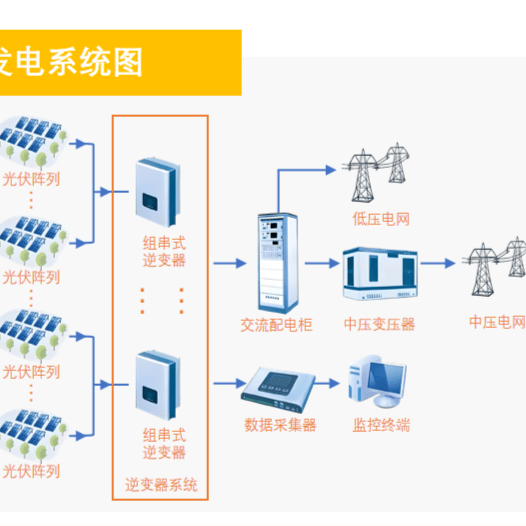

Photovoltaic and Wind Power Generation Technology
Beijing Boqi Electric Power SCI-TECH Co., Ltd.
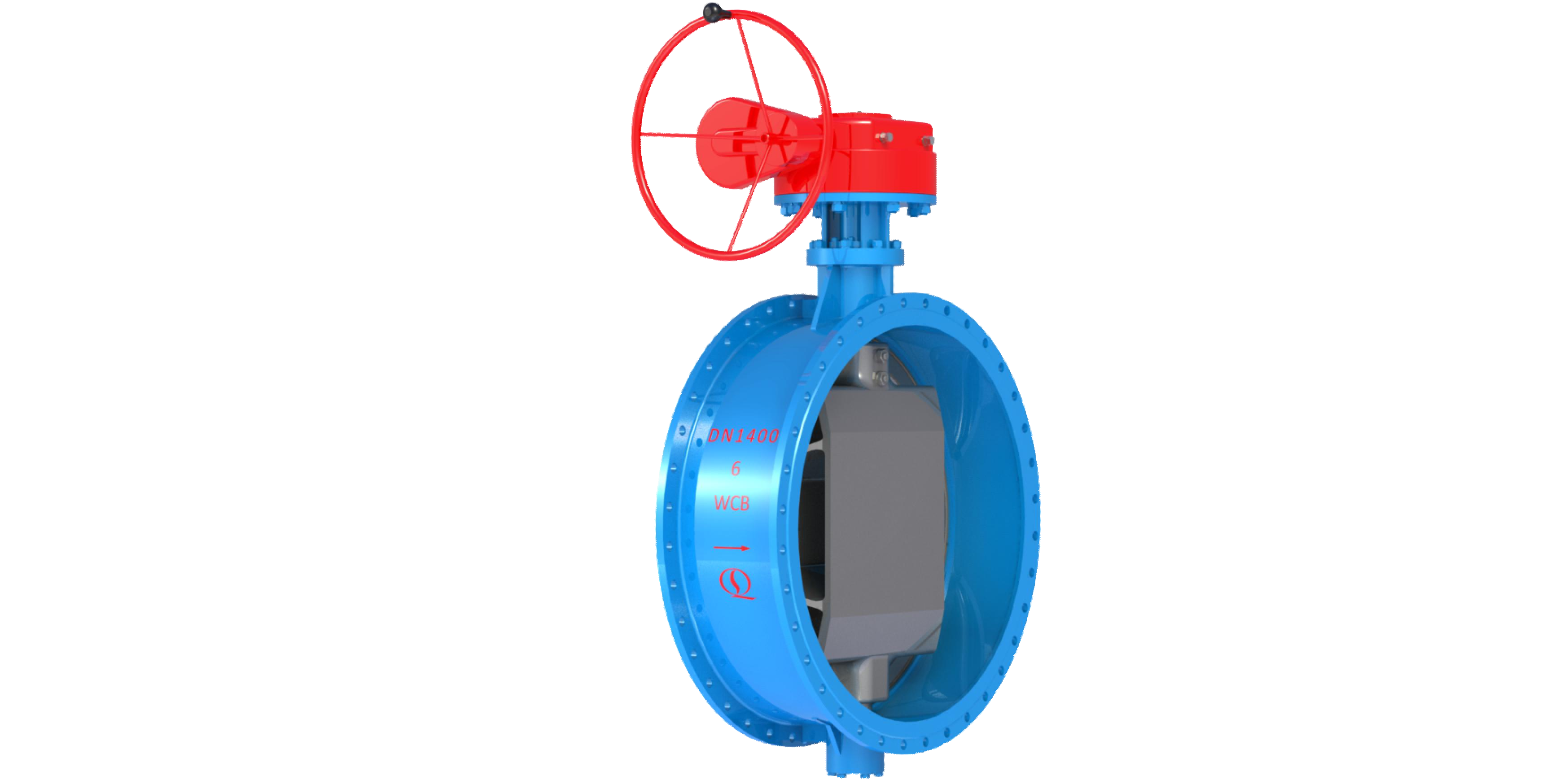
Bidirectional Metal Hard Sealed Seawater Butterfly Valve
Henan Quanshun Flow Control Science & Technology Co., Ltd.

G.652.D Wavelength-extended Non-dispersion Shifted Single-mode Optical Fiber
HONGAN GROUP CO., LTD.