GE Aerospace Tackles 2,400-Degree Fahrenheit Seal Issue on GE9X Engine
en.Wedoany.com Reported - GE Aerospace has encountered a durability issue with an internal seal on the GE9X engine that powers Boeing's 777X jet. The company stated that the midseal problem will not affect the 777X's certification or entry into service.
Boeing launched the 777X program in November 2013, with the aircraft exclusively powered by GE9X engines. Compared to the Boeing 777-300ER, the 777X consumes 10% less fuel, seats 426 passengers in a two-class configuration, and has a range exceeding 7,200 nautical miles (13,334 kilometers). More than a decade later, the aircraft has yet to receive certification, making it one of the most delayed commercial aircraft programs in Boeing's modern history.
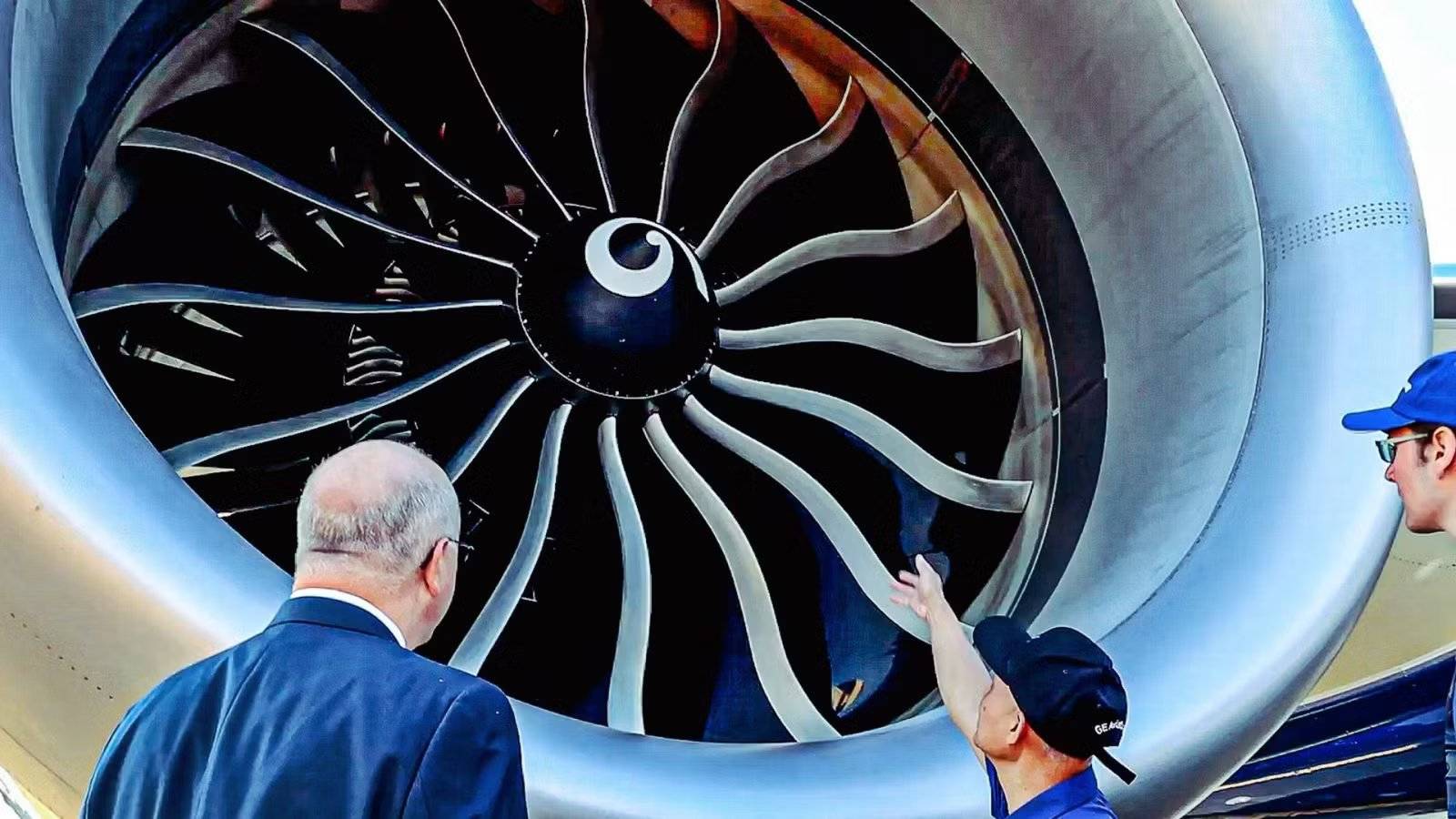
The GE9X is designed around extreme thermal efficiency, with internal engine temperatures exceeding 2,400 degrees Fahrenheit (1,315 degrees Celsius), approaching the level at which traditional nickel-based alloys begin to lose structural strength. The engine features advanced ceramic matrix composites (CMC), fourth-generation carbon fiber fan blades, and a 134-inch (3.4-meter) diameter fan—the largest ever installed on a commercial aircraft. Engineers rely on complex cooling systems and thermal barrier coatings to maintain reliability.
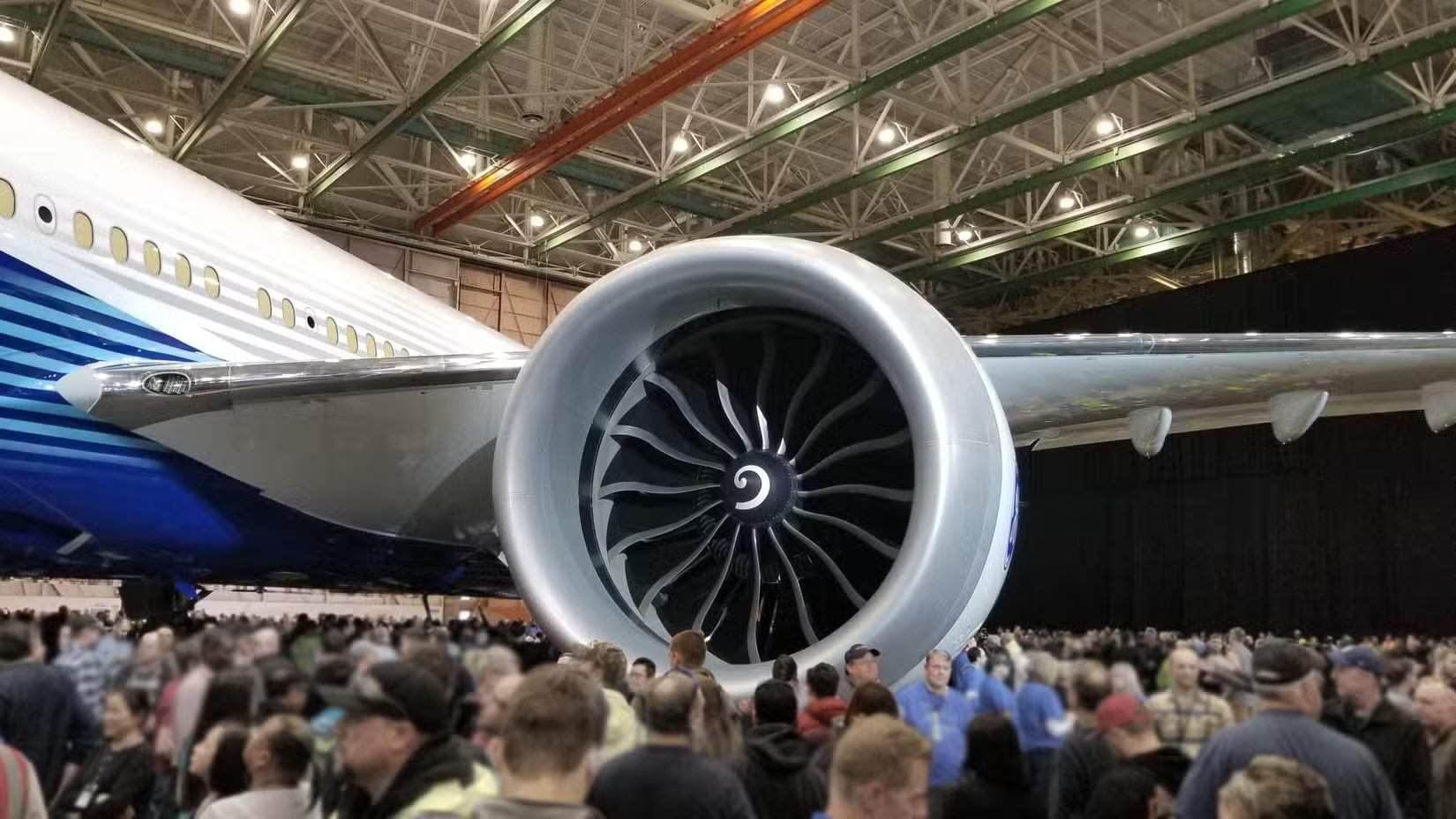
As the successor to the GE90, the GE9X holds the title of "most powerful commercial aircraft engine ever built," with a certified thrust of 110,000 pounds-force (490 kilonewtons), and has reached 134,300 pounds-force (597 kilonewtons) during testing, setting a Guinness World Record in the process. The GE90 has powered Boeing 777 aircraft for nearly three decades, accumulating over 100 million flight hours. The GE9X's bypass ratio has increased from approximately 8.5:1 to about 10:1, with a high-pressure compressor pressure ratio approaching 27:1 and an overall pressure ratio near 60:1. CMC components weigh about one-third as much as traditional aerospace alloys and can withstand temperatures several hundred degrees higher than metals, and are used in combustion chamber liners, turbine shrouds, and hot-section structures.
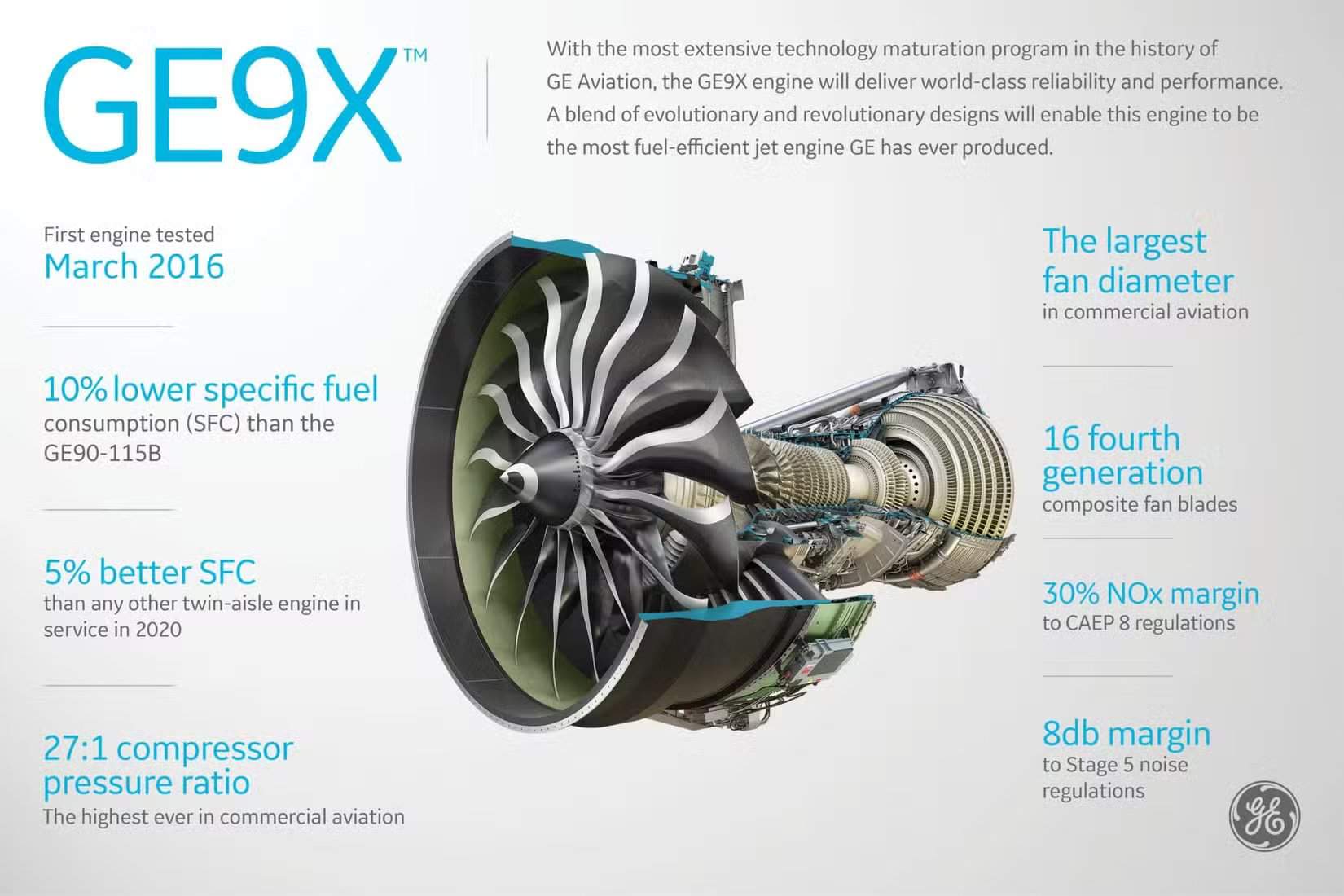
The thermal environment of the GE9X is vastly different from that of earlier commercial turbofan engines. Temperatures in the combustor and high-pressure turbine section exceed the melting points of many aerospace structural metals, and the engine relies on a network of tiny cooling channels to route compressed air to turbine blades and surrounding structures, forming an insulating layer of cooling air. Internal seals regulate pressure distribution and maintain precise airflow paths through the core; if they wear unevenly or deform under thermal stress, they can disrupt airflow balance, reducing efficiency, increasing vibration, accelerating fatigue, and altering thermal loads on adjacent components. Operating tolerances in modern engines are far tighter than in previous generations, and the GE9X's more aggressive optimization makes wear management especially critical.
The 777X made its maiden flight in January 2020. Following the 737 MAX crisis, the U.S. Federal Aviation Administration (FAA) intensified certification oversight of all Boeing programs; a depressurization event during structural testing in 2019 also forced Boeing to redesign portions of the fuselage structure and adjust inspection procedures. As of early 2026, Boeing has accumulated thousands of flight test hours across multiple aircraft, and GE9X durability work continues. Emirates has ordered more than 200 777X-series aircraft, making it the program's largest customer; several airlines have extended the service life of their older widebody fleets while awaiting the 777-9, or have kept Airbus A380s in service longer than originally planned.
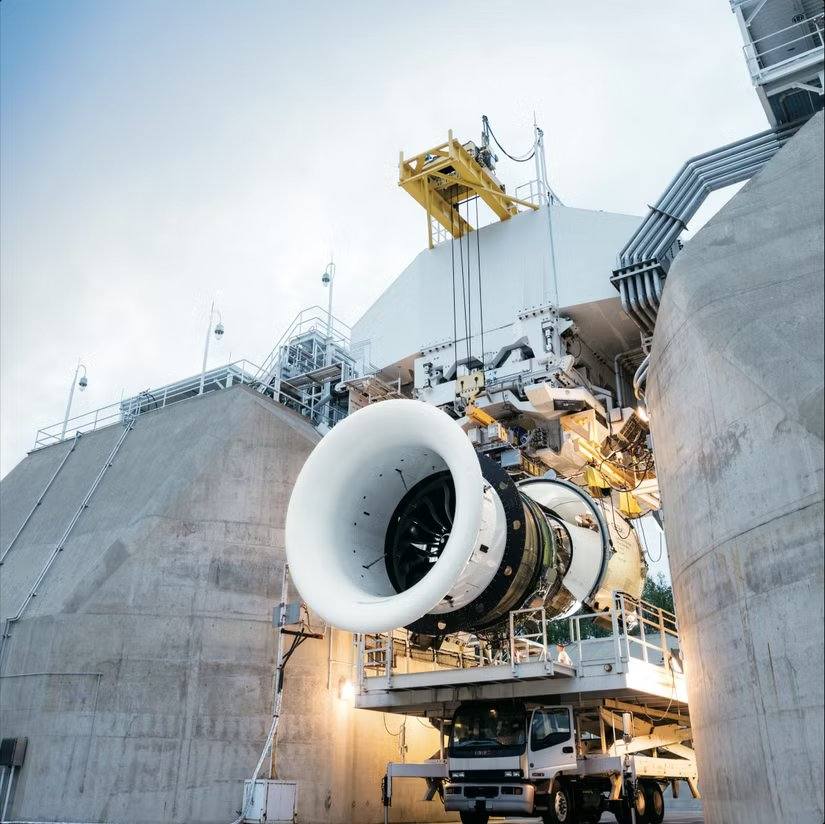
Although seals are relatively small internal components, modern turbofan systems are highly interconnected, and changes in their geometry can affect airflow behavior across multiple turbine stages, influencing thermal expansion rates, vibration harmonics, and cooling efficiency. GE Aerospace has implemented revised tooling, updated inspection procedures, and modified production processes, aiming to validate both the redesigned hardware and the manufacturing consistency of the updated configuration. In the high-pressure turbine environment, minor variations in surface finish or dimensional tolerances can affect durability outcomes after thousands of thermal cycles. Additionally, the manufacturer must demonstrate that the revised design can maintain acceptable maintenance intervals in commercial service; otherwise, premature wear would increase maintenance costs and reduce aircraft availability, offsetting fuel efficiency advantages.
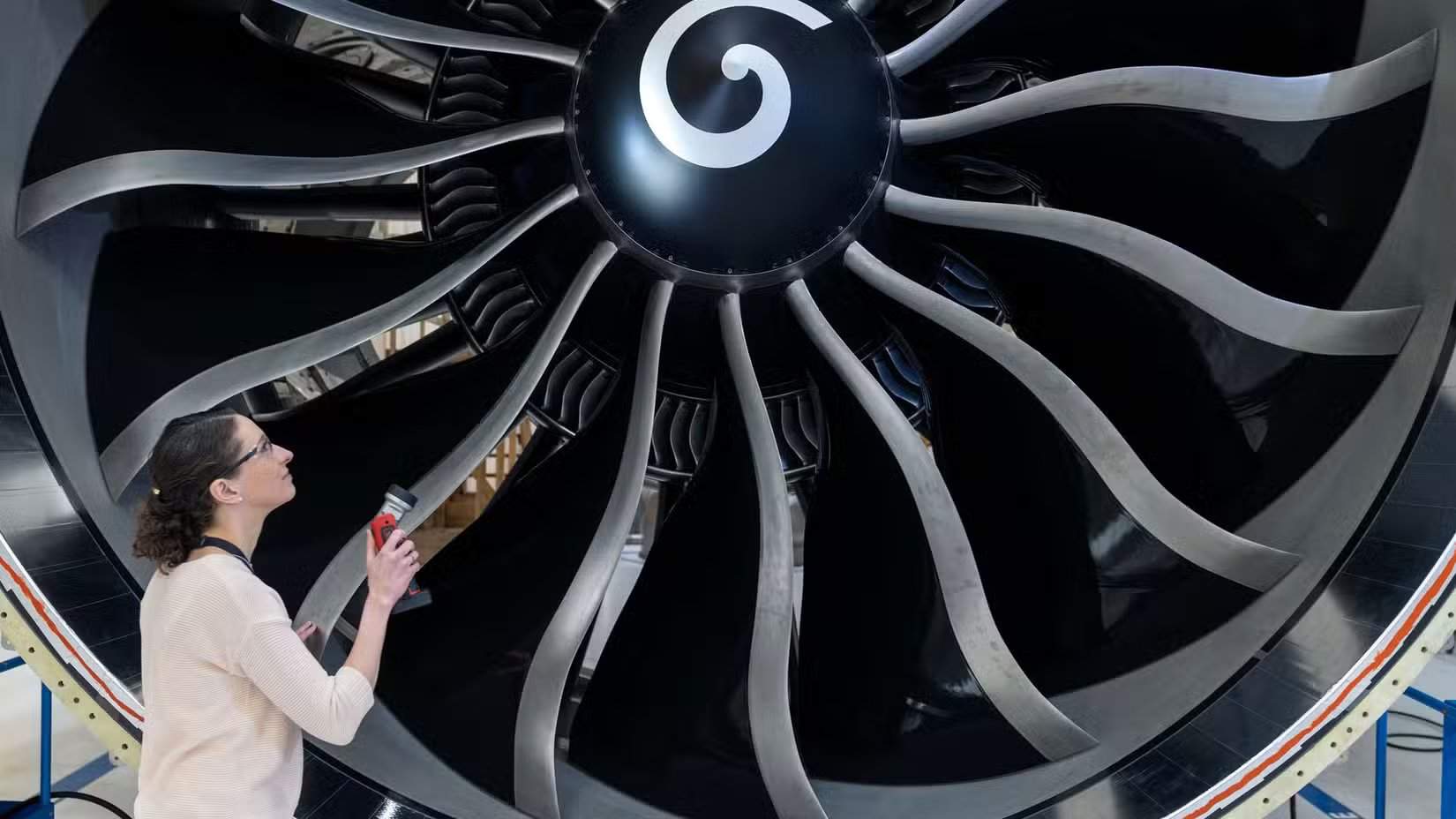
The difficulties with the GE9X highlight a trend across the aerospace industry: modern commercial engines are approaching thermodynamic and material limits previously considered unsuitable for large-scale aviation operations, with manufacturers increasingly relying on higher core temperatures, higher pressure ratios, lighter materials, and tighter tolerances. According to GE, the 777-9 is expected to reduce fuel consumption and carbon emissions by approximately 20% compared to the aircraft it replaces, but these gains come with greater engineering complexity, making development programs more susceptible to unexpected durability issues. Performance breakthroughs over the past few decades have largely relied on making engines larger or more powerful; the challenge today is ensuring that highly optimized engines withstand years of service under operating conditions that push the limits of materials science.
Related Products

IGBT Hydrogen Production Power Supply - High Power Air Cooling
Beijing Zhengzhuo Engineering Technology Co., Ltd.
VEG-12/24/40.5 Series Vacuum Circuit Breaker
SHANGHAI PINGGAO TIANLING SWITCHGEAR CO., LTD.
Perfluorinated Ionic Membrane-CM-10N Series Membrane
Guizhou Juneng Century Technology Co., Ltd
0.66kV Power Supply Instrument Transformer
Guangdong Sihui Instrument Transformer Works Co., Ltd.
NISELA Series Environmentally Friendly Gas-Insulated Ring Main Unit
XJ DELISHIER ELECTRIC CO., LTD.