Russian Government Extends Mandatory Gasoline Sales Quota Validity at 10% Until End of 2026
en.Wedoany.com Reported - Russian Deputy Prime Minister Alexander Novak (Александр Новак) chaired a meeting on the situation in the domestic fuel market. The meeting decided to extend the validity of the mandatory exchange sales quota for gasoline (already reduced to 10%) until the end of 2026, in order to ensure the supply of gasoline and diesel fuel to strategically important categories of consumers.

In the first seven months of 2026, the Russian federal budget received 4.595 trillion rubles in oil and gas revenues, a decrease of 16.8% compared to the same period in 2025. The main reason for the decline was the earlier drop in oil prices, but this revenue figure still exceeds the baseline level of oil and gas revenues.
As of August 10, the natural gas storage level in European underground storage facilities reached 59.4%, which is 16.83 percentage points lower than the average level for the same period over the past five years. The average daily net injection over the past week was 275 million cubic meters, 21% lower than the five-year average.
Germany's inflation rate accelerated to 2.8% year-on-year in July. The rise in this indicator was mainly driven by a sharp increase in energy prices after the cessation of state fuel subsidies. The inflation rate was 2.3% in June and 2.6% in May, while the overall consumer price level rose by 0.8% month-on-month in July.
Iran has proposed conditions to the United States through intermediaries for the resumption of shipping through the Strait of Hormuz, with key conditions including the cessation of military aggression in the region (involving Lebanon and Gaza), as well as the return of frozen Iranian assets.
Panama Canal transit tolls have hit a record high. The average daily auction price for the right to use the most popular locks this month reached $1.1 million, more than 16 times the figure for the same period last year.
Despite regional tensions, oil supply from the Persian Gulf remains at a high level. Average daily oil exports from the region have reached 15 million barrels, of which approximately 9 million barrels are transported through the Strait of Hormuz, with another 5 to 7 million barrels supplied via modern pipelines and export terminals.
Libya saw strong growth in oil export revenues in the first half of 2026, with sales revenue reaching $15.234 billion, 11.5% higher than the planned $13.985 billion. Production from January to June amounted to 246 million barrels, against a target of 252 million barrels.
Related Products
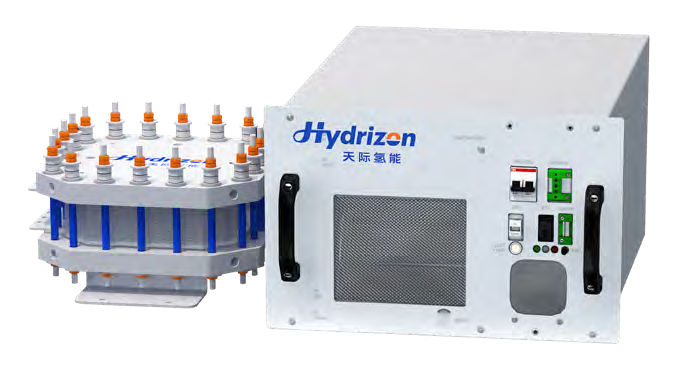

HI-Pro Green Hydrogen High-efficiency Production System-HI-PRO-AEM
Hydrizon Technology (Beijing) Co., Ltd.
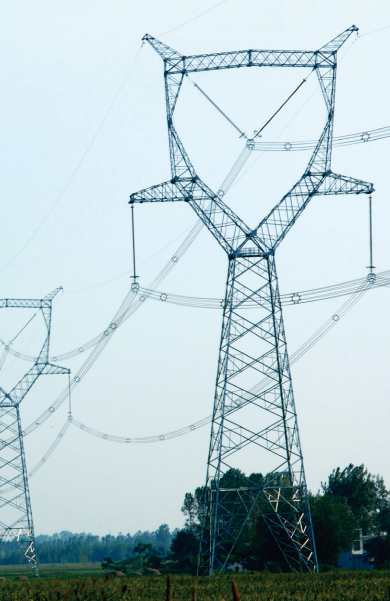
1000kV Jin Southeast-Nanyang-Jingmen UHV AC Transmission and Transformation Pilot Demonstration Project
Anhui Hongyuan Steel Tower Co., Ltd.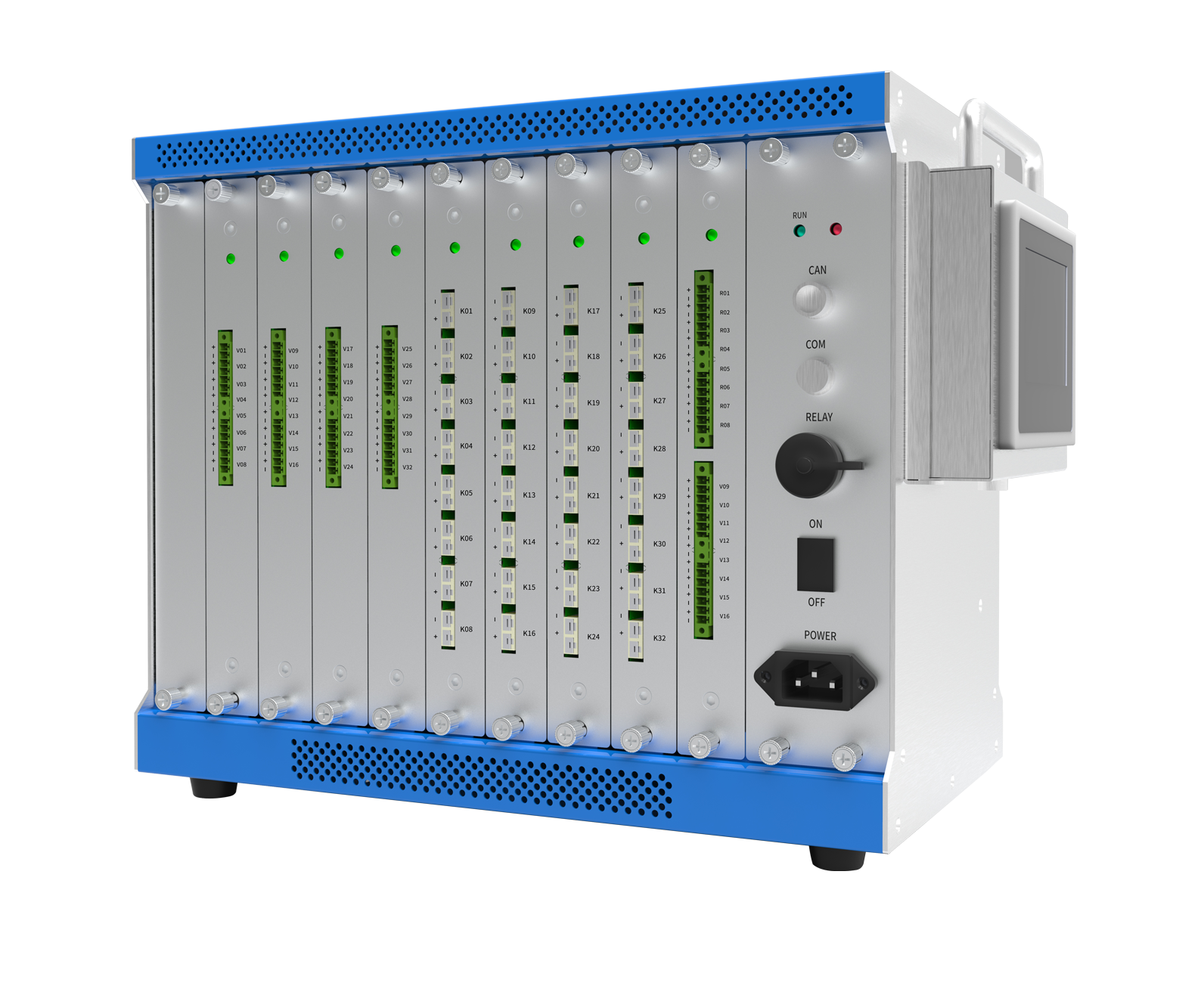
Optional Accessory - Auxiliary Sampling Module
Beijing Soaring Electric Technology Co., Ltd.

Off-Grid Fuel Cell Supercharging Station (180kW Configuration)
Shanghai REFIRE Group Limited
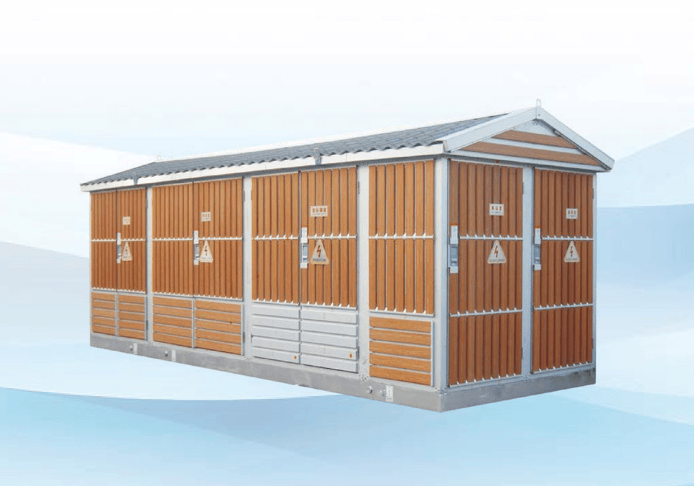
YB □ -12/0.4/1250 Outdoor Prefabricated Substation (European Style)
Shangrao Shangyu Intelligent Electric Co., Ltd.
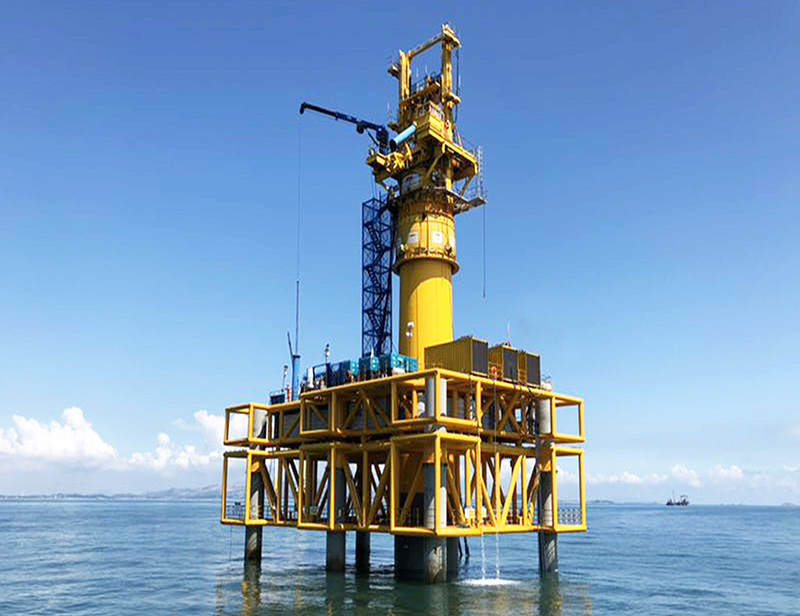
CITIC Heavy Industries Offshore Wind Power Equipment Hydraulic Pile Hammer
CITIC Heavy Industries Co., Ltd.