EPA Proposes to Rescind Methane Super-Emitter Regulatory Regime for the Oil and Gas Industry
en.Wedoany.com Reported - On October 7, the U.S. Environmental Protection Agency (EPA) proposed a new round of regulatory adjustments for emissions from the oil and gas industry, seeking to rescind the methane "super-emitter" monitoring and response regime established in 2024 and to revise certain technical provisions for marginal oil wells, associated gas handling, and pollution control equipment. EPA Administrator Lee Zeldin announced the arrangement at the annual meeting of the New Mexico Oil and Gas Association, with a formal revision proposal planned for release in the following days. EPA estimates that the full round of regulatory adjustments could save approximately $45 billion in costs, but the October 7 announcement did not specify the applicable time frame for this estimate.
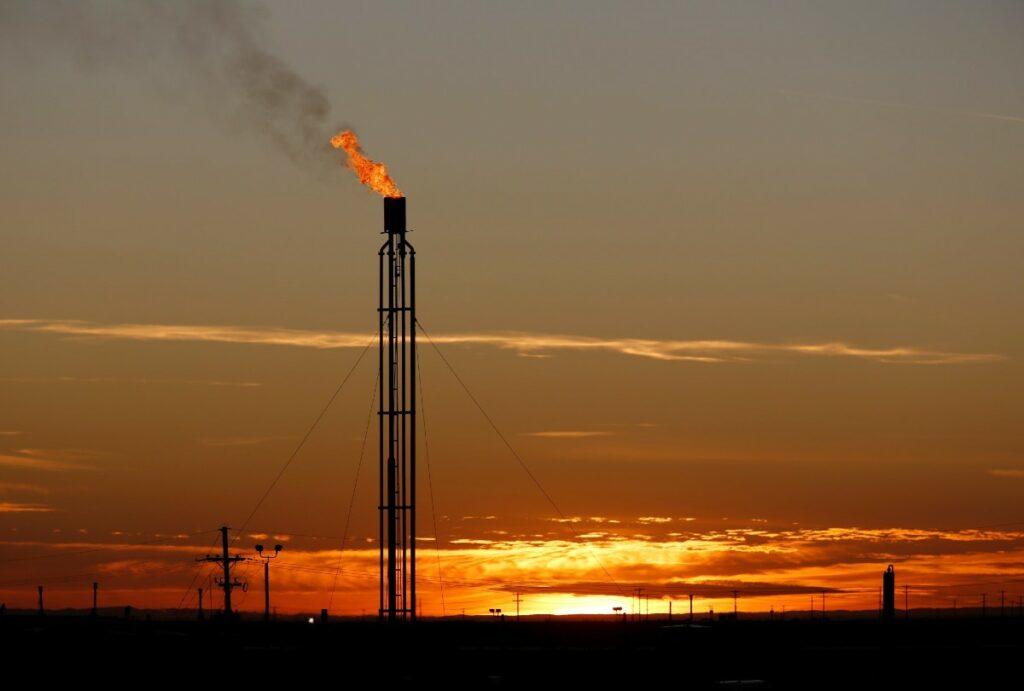
The regime was established under the 2024 final rule on air pollution emissions from the oil and gas industry and applies to facilities including oil and gas well sites, centralized production facilities, natural gas processing plants, and compressor stations. Under current rules, events with methane emission rates of 100 kilograms per hour or more are classified as super-emitter events. EPA-certified third parties may use satellites, aircraft, and mobile monitoring equipment to identify emission sources and must submit monitoring results to EPA within 15 calendar days of discovering an event.
EPA reviews the data submitted by third parties and sends notifications to the owners or operators of the relevant oil and gas facilities. Under existing rules, upon receiving notification, operators must initiate an investigation within 5 calendar days and complete the investigation and submit a report within 15 days. Investigation records, emission event information, and related handling results are made public through EPA's data platform. The proposed rescission directly concerns third-party monitoring reports, regulatory notifications, and operator investigation and response procedures.
EPA already issued an interim final rule on July 31, 2025, extending the subsequent implementation deadline of the super-emitter regime to January 22, 2027. The adjustment direction proposed in October of this year also includes establishing a separate regulatory category for marginal oil wells, splitting the standards for emission facility covered equipment and closed vent systems into design and operating requirements, re-examining the regulatory approach for associated gas from oil wells, and adjusting the technical conditions for flame monitoring and visible emission testing of combustion control equipment.
This rescission plan must still go through a formal rule proposal and subsequent regulatory procedures. EPA has not yet published the final revised text, the effective date, or the final extent of adjustments to each technical standard.
Related Products
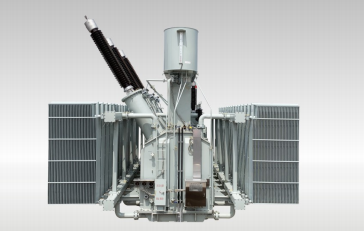

220kV and Below Voltage Level Energy-saving Oil-immersed Power Transformers
FuZhou TianYu Electric Co., Ltd.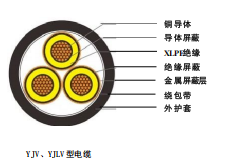
Rated Voltage 6-35kV Cross-linked Polyethylene Insulated Power Cable
TONGDING INTERCONNECTION INFORMATION CO., LTD.
Perfluorinated Ionic Membrane-CM-10N Series Membrane
Guizhou Juneng Century Technology Co., Ltd
Off-Grid Fuel Cell Supercharging Station (180kW Configuration)
Shanghai REFIRE Group Limited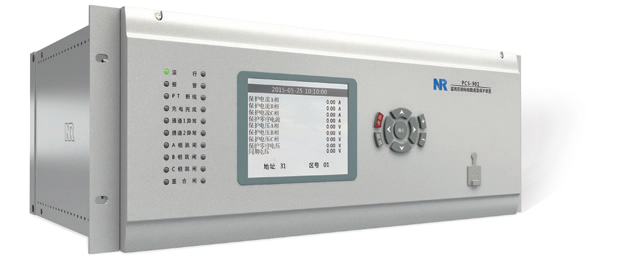
PCS-901 Series Ultra (Extra) High-voltage Transmission Line Complete Protection Device
Nanjing NR Electric Co., Ltd.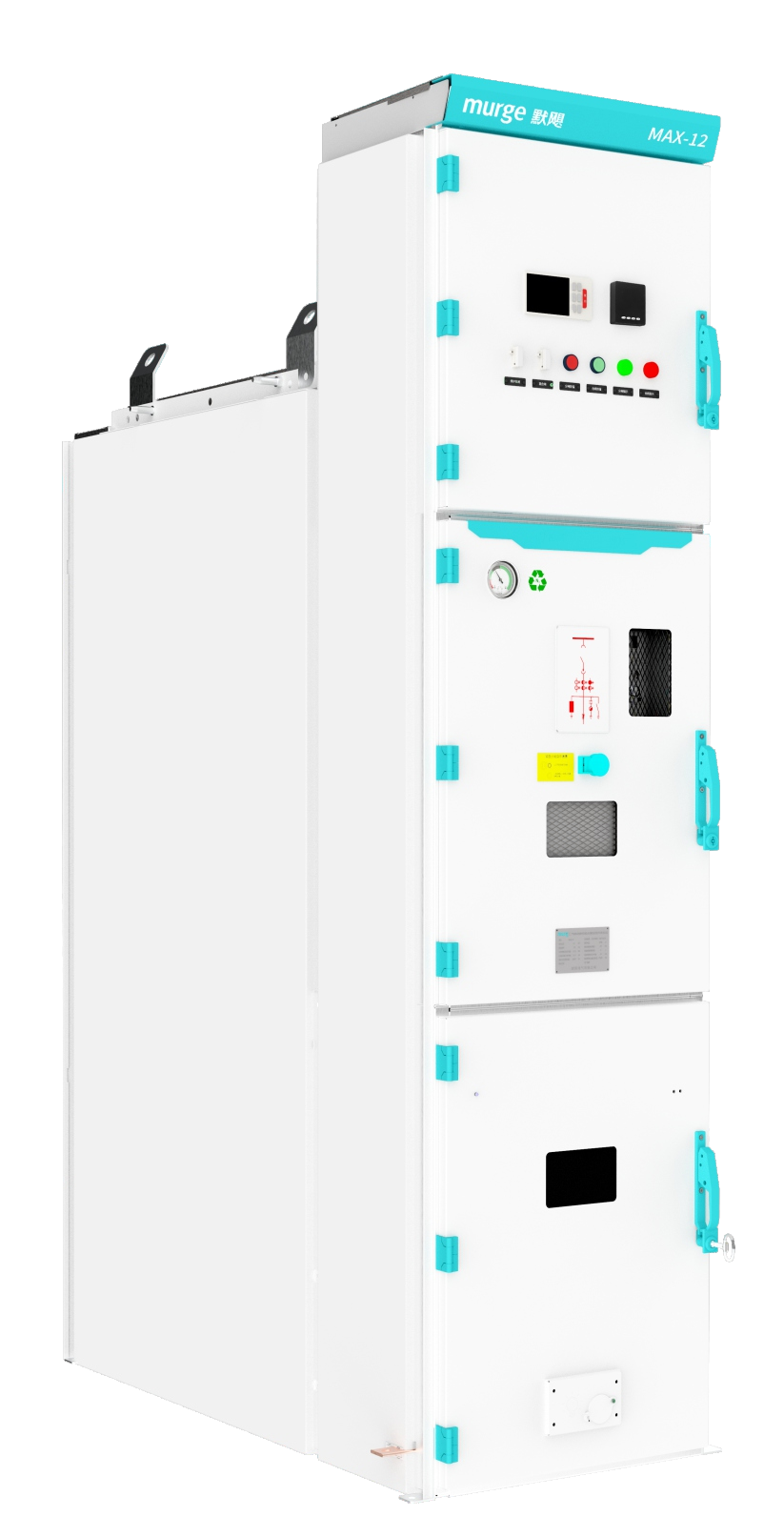
MAX-12 series Environmental Protection/SF6 gas insulated switchgear (C-GIS)
Murge Electric Co.,Ltd.


Hydraulic Turbine Genset
Dongfang Electric Corporation Dongfang Electric Machinery Co., Ltd.
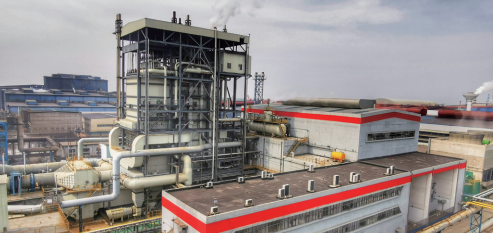
Jiujiang Pinggang 125MW Subcritical Gas Power Generation Project
Capital Engineering & Research Incorporation Limited