RINA Supports 300MW Solar-plus-Storage Project in the US (Operational in 2028)
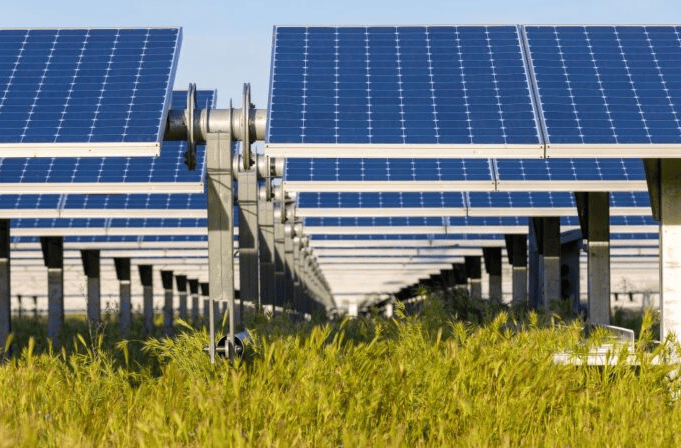
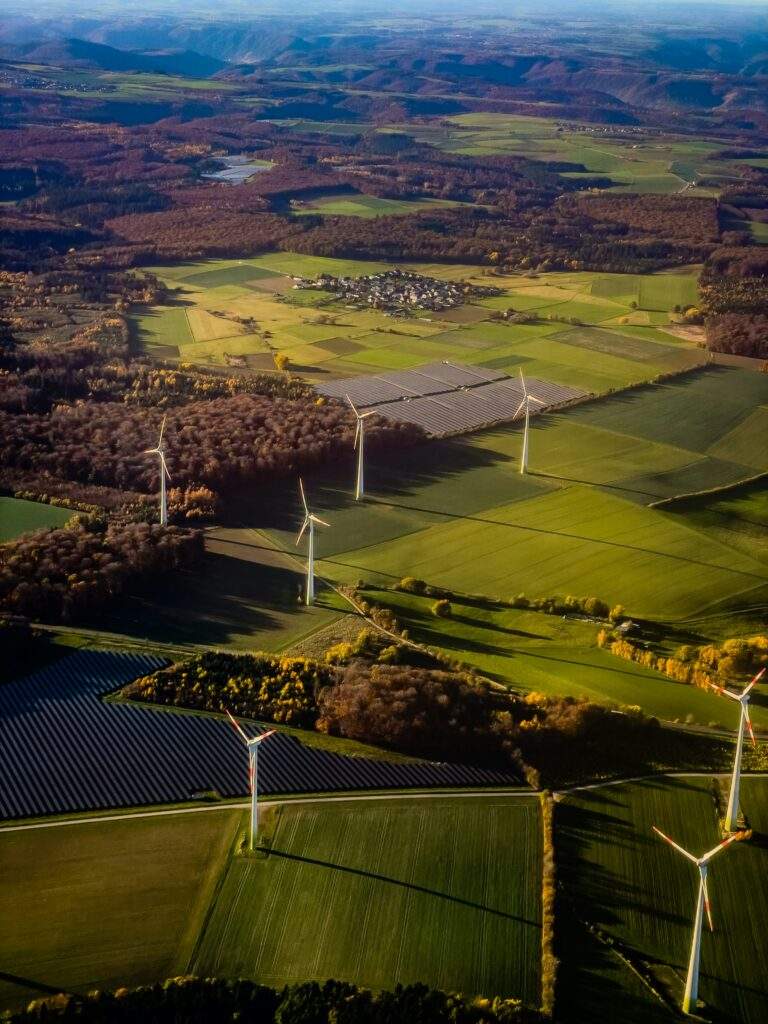
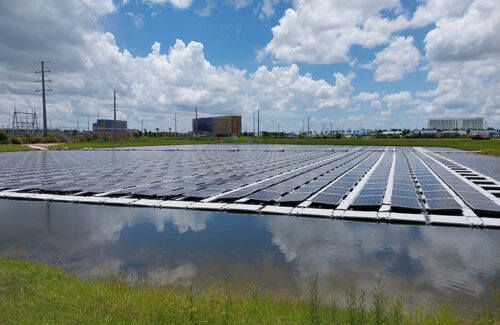
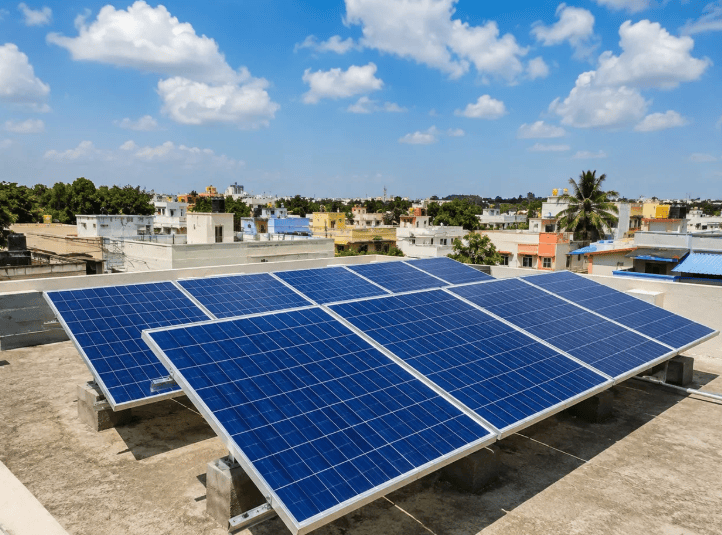
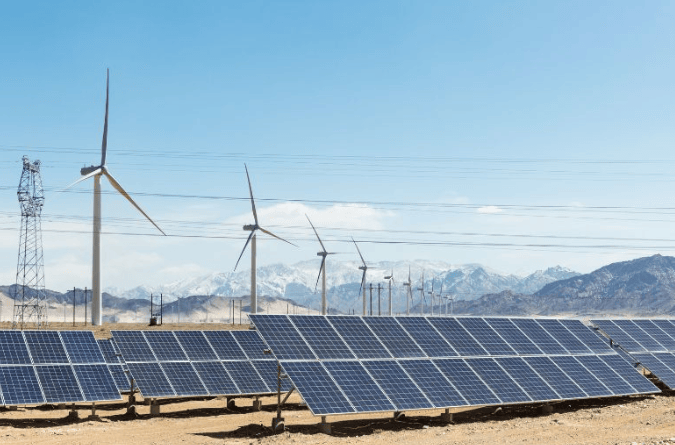
en.Wedoany.com Reported - Global engineering consultancy RINA has been commissioned by Hawthorne Renewable Energy to provide technical support for the planned Appledale Energy Center in Grant County, Washington, USA. The project is a 300-megawatt (MW) photovoltaic (PV) solar plant equipped with a 4-hour, 300 MW battery energy storage system (BESS), scheduled to reach full commercial operation in 2028.
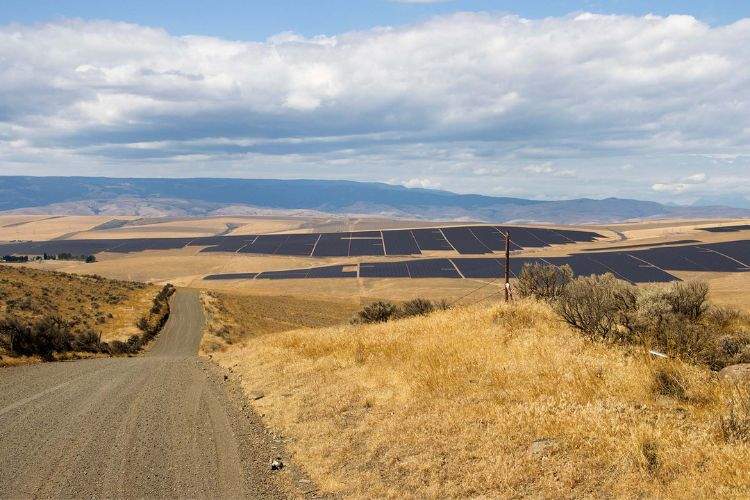
Grant County is known for its favorable transmission access and excellent site conditions. Local utilities have received power requests far exceeding current peak load, and the area is emerging as a new energy demand center driven by digital infrastructure needs. For large-load customers such as data centers, the value of solar-plus-storage has increased significantly. Once fully built, the project will support both local grid demand and load growth driven by the region's economic development. RINA's scope of work includes three technical studies to support early development decisions, optimize the available project area, establish a preliminary design basis, and quantify the expected energy performance of the PV facility.
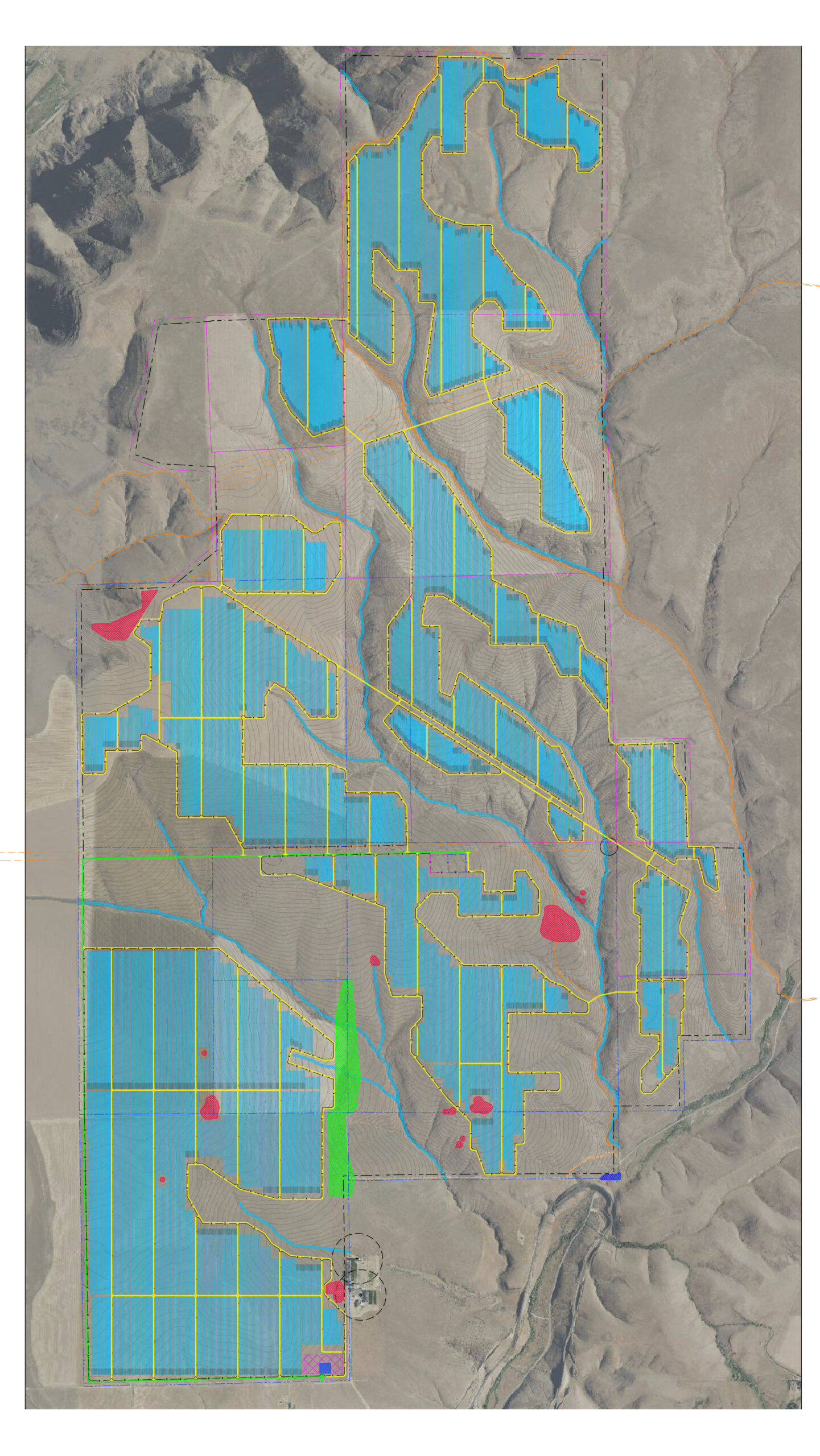
During the design optimization phase, RINA utilized terrain data, environmental constraints, permitting limitations, required setbacks, easements, and other site parameters to delineate the available development area, identify restricted zones, and establish preliminary fence lines using geographic information system (GIS)-based tools. Grant County imposes a predetermined limit on the average slope of project layouts, which is one of the key design requirements. Subsequently, RINA used specialized PV design software and in-house engineering tools to iteratively evaluate multiple layouts while accounting for civil and electrical constraints, ultimately determining an initial optimized configuration with a direct current (DC) capacity of approximately 400 megawatts peak (MWp).
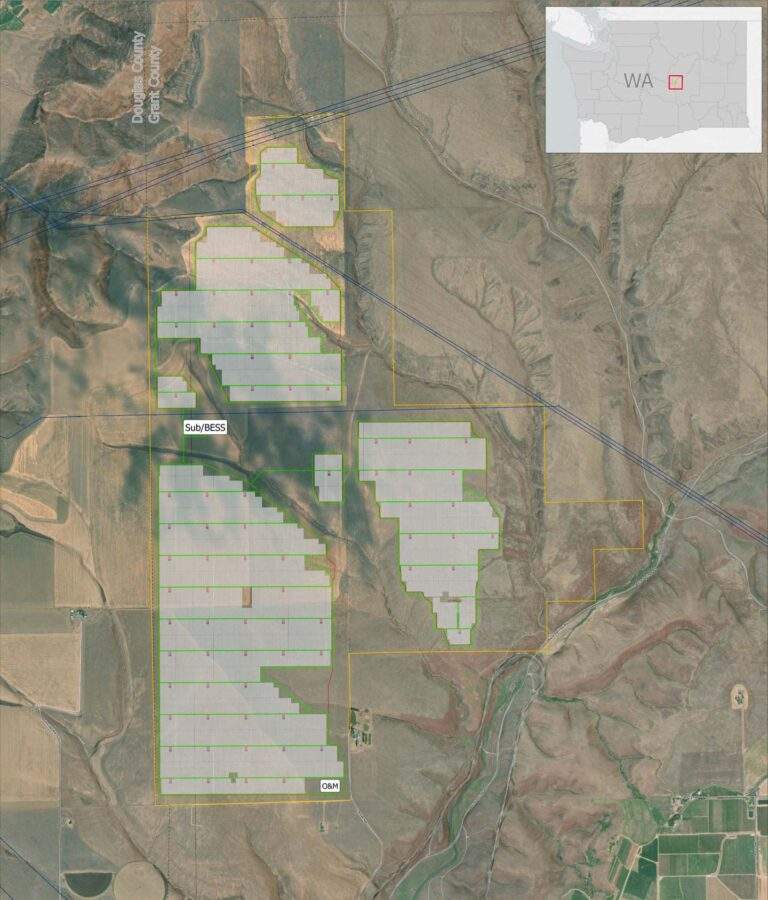
Based on the design optimization results, RINA developed a preliminary project layout that translated the development area into a conceptual design. The layout includes PV module arrays, inverter and transformer stations, internal access roads, a reserved area for BESS facilities, and a substation near the point of interconnection. The study focused on the impact of site grading limitations and easement locations on road routing, power conversion equipment placement, and array layout, providing a technical basis for the client's subsequent project planning and site capacity assessment.
After the preliminary layout was approved, RINA completed an energy yield assessment of the design using a bankable-grade evaluation methodology. Input data included the site's solar resource, local irradiance conditions, terrain, module count and configuration, shading, system losses, and expected bifacial gain. The modeling results were presented in a comprehensive report providing expected annual energy production along with P75 and P90 exceedance probability values, delivering a bankable-grade performance estimate to support the client's subsequent development and financing decisions.
In the additional land parcel assessment, RINA applied the same methodology used in the original optimization phase to adjacent parcels surrounding the project boundary, reviewing terrain, environmental, and permitting constraints to determine the usable development area of each parcel and estimate incremental DC capacity. An updated overall energy yield study incorporating the potential expansion areas was then compiled, enabling the client to assess the technical value of surrounding parcels. Additionally, RINA conducted a high-level review of existing geotechnical programs, examining field methods such as borehole depth, quantity, and testing standards, and subsequently developed a phased geotechnical scope of work and a comparison tool to guide contractor bidding, helping the client manage geotechnical risks.
In the equipment procurement phase, RINA provided technical due diligence and a transformer manufacturing inspection support program, confirming that transformer designs meet project requirements while identifying technical gaps and specification deviations that could affect performance, cost, or schedule. RINA also performed factory inspections to verify manufacturing quality, compliance, and the effectiveness of manufacturing and quality control processes, thereby reducing risk in procurement decisions.
The project is expected to generate more than 650 gigawatt-hours (GWh) annually, enough to power over 50,000 Washington households.
Related Products

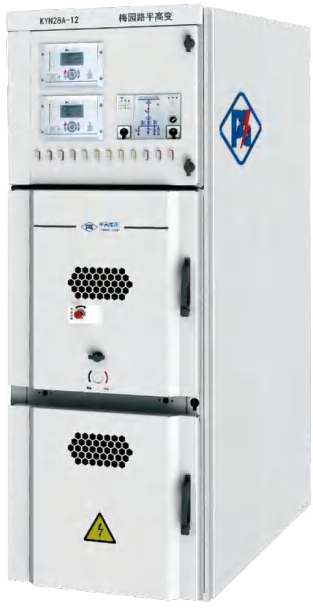
KYN28A-12 Metal Armored Removable Switchgear
Tianjin Ping Gao Intelligent Electric Co., Ltd.
CITIC Heavy Industries Offshore Wind Power Equipment Hydraulic Pile Hammer
CITIC Heavy Industries Co., Ltd.

Industrial and Commercial Point-Type Gas Detector
Jinan Benan Technology Development Co., Ltd.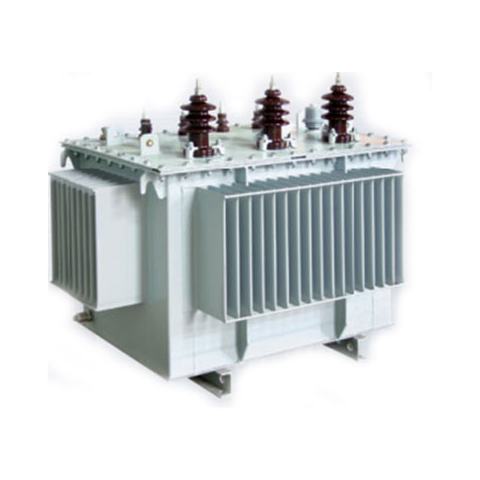

Pneumatic high-pressure wear-resistant ball valve
Zhejiang Deca Control Valve Meter Co., Ltd.