South Korea Unveils $747 Billion Green Transition Plan, Aiming for Completion by 2035
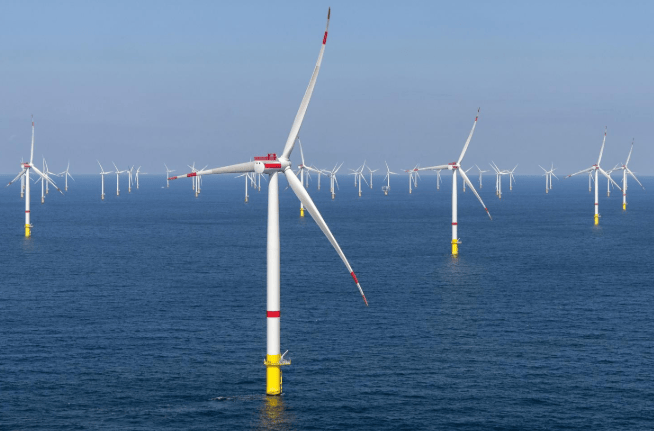
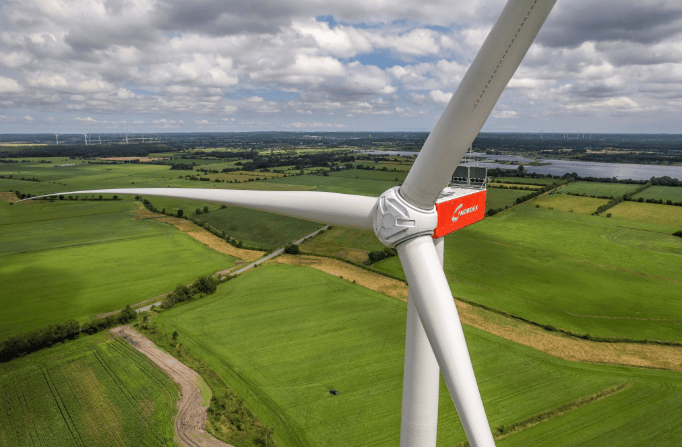
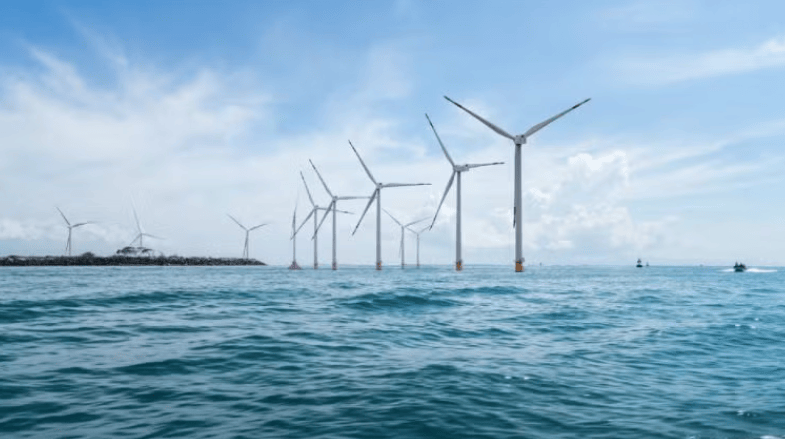
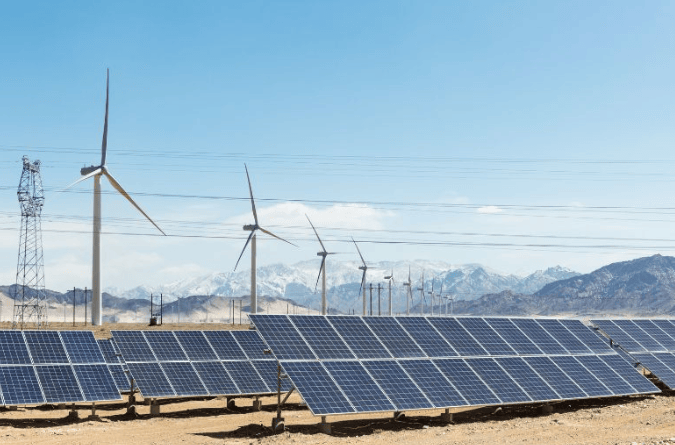
en.Wedoany.com Reported - On October 7, the South Korean government held a green transition strategy briefing in Seoul, officially announcing the "K-GX" green transition plan covering 2026 to 2035. The plan proposes investing approximately 1,000 trillion won (about $747 billion) in fiscal and climate finance resources over the next decade, complemented by corporate investment projects, with a focus on renewable energy deployment, decarbonization of industrial production processes, green manufacturing, and transportation electrification. The plan calls for increasing renewable energy installed capacity to 100 gigawatts by 2030 and making electric and hydrogen fuel cell vehicles account for more than 70% of new vehicle sales by 2035.
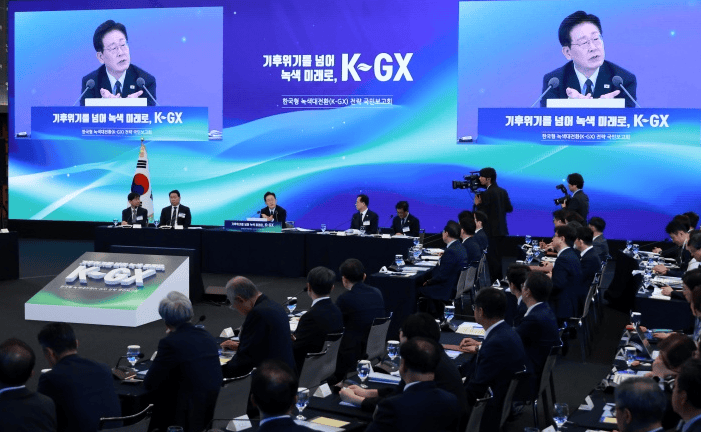
In terms of funding arrangements, the South Korean government plans to inject 200 trillion won in fiscal funds and arrange more than 790 trillion won in climate finance, with at least 50% of policy financing directed toward local regions and more than 70% toward small and medium-sized enterprises as well as mid-sized companies. The government plans to expand the climate response fund and formulate a green bond issuance system and implementation rules in the first half of 2027. The funding arrangements announced also include 220 trillion won in major project investments planned by enterprises, with corporate investments and government fiscal and financing plans listed separately.
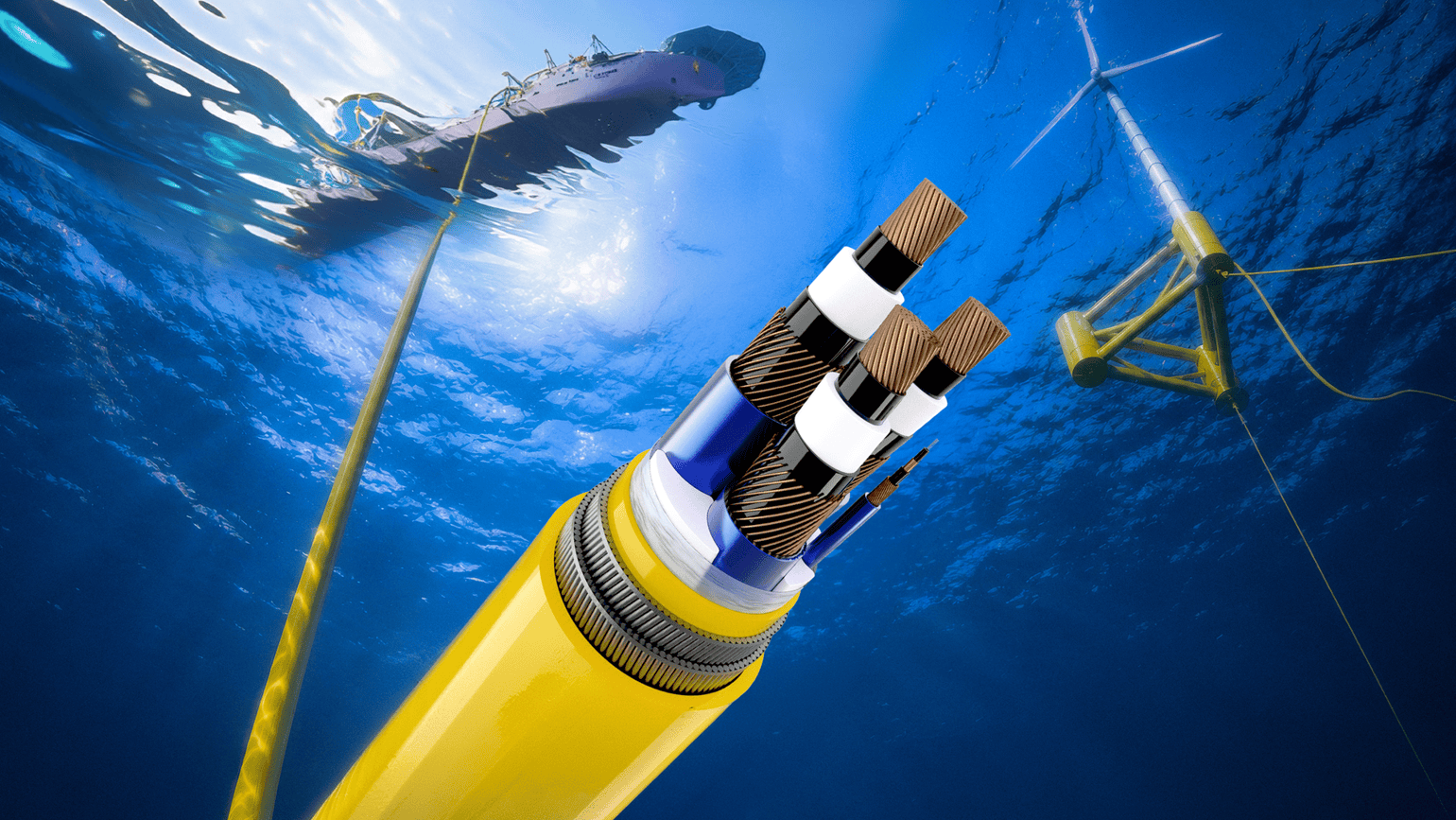
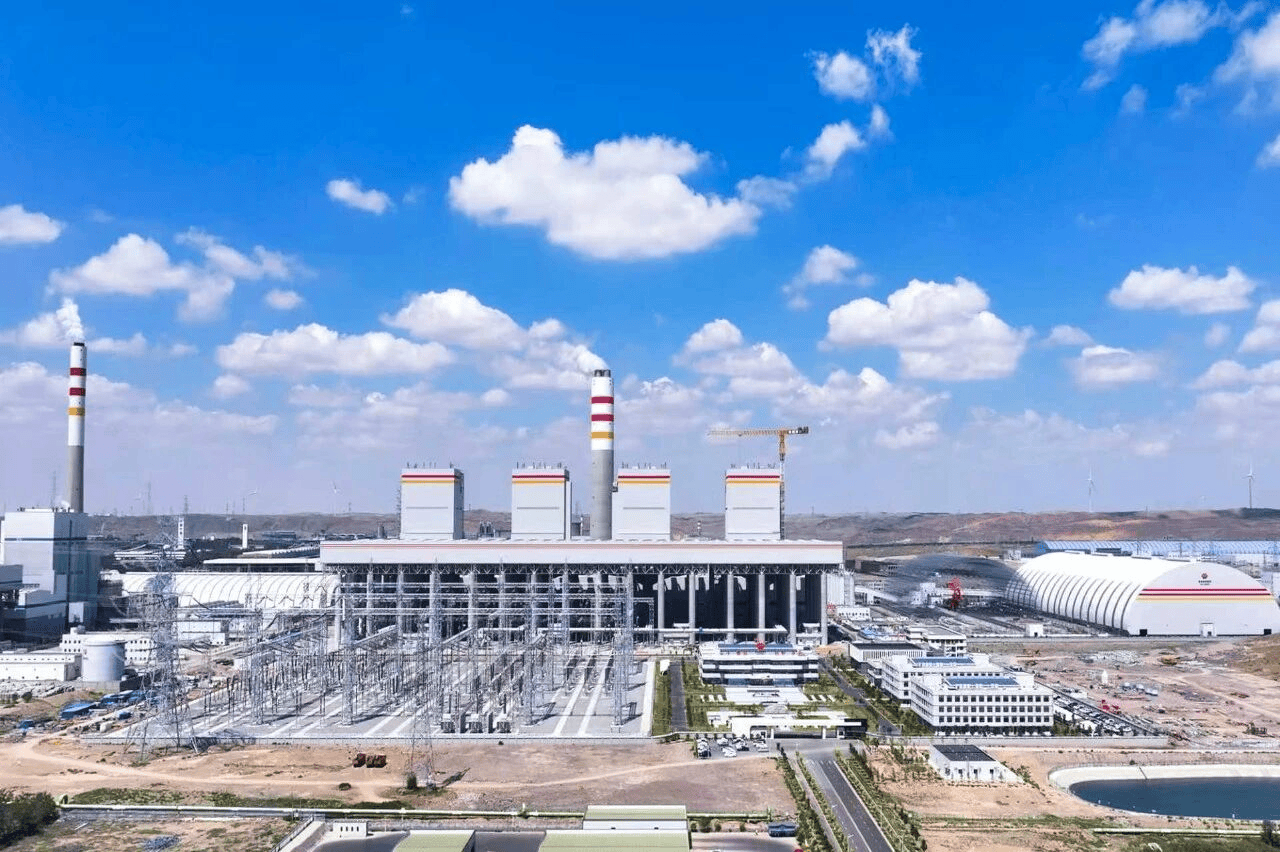
In terms of power system development, South Korea will advance site development for solar and wind power projects and grid expansion before 2030, increase transmission capacity by replacing existing transmission line conductors, and develop direct current transmission and distribution technology for direct power supply from renewable energy generation bases to electricity-consuming enterprises. The government also plans to establish a domestic supply chain for key clean energy equipment, introduce domestic production tax credits for core components and equipment in solar, wind power, and secondary batteries, and promote the inclusion of small modular reactors within the scope of national strategic technology support.
Industrial production process transformation covers five major high-emission sectors: steel, petrochemicals, cement, semiconductors and display panels, and oil refining. In the steel sector, a 300,000-ton hydrogen-based direct reduced iron demonstration project is planned before 2030, along with studies on supporting hydrogen production facilities and stable power supply solutions; in the petrochemical and oil refining sectors, electrically driven naphtha cracking technology will be developed and the application of low-carbon fuels expanded; in the cement industry, multi-component blended cement will be developed, while semiconductor and display panel companies plan to replace existing materials with process gases having low global warming potential.
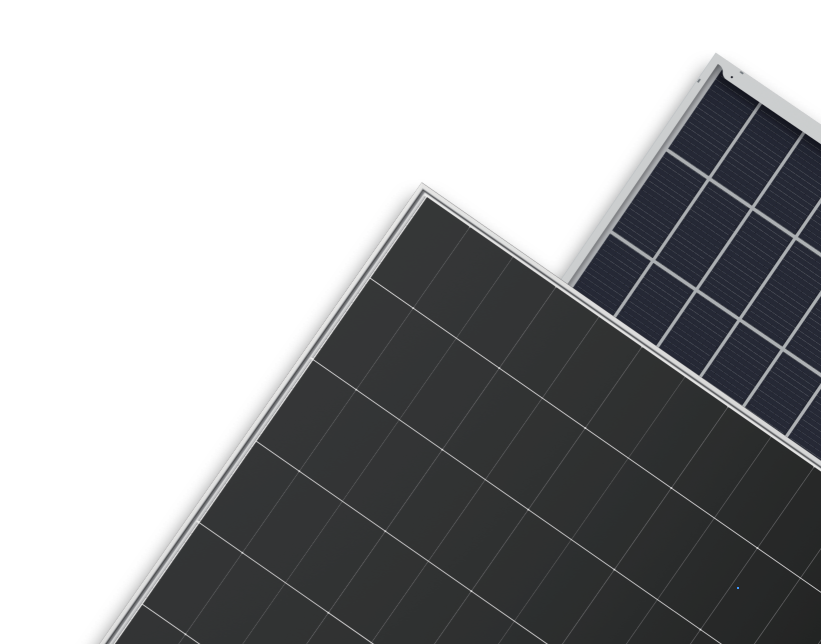
In terms of technology industrialization, South Korea will focus on ten categories of industries: electric vehicles, power batteries, solar power, wind power, power equipment, power semiconductors, heat pumps, hydrogen energy, small modular reactors, and carbon capture, utilization and storage. Among these, the government proposes achieving commercialization and mass production of next-generation tandem solar cells by 2028, advancing demonstration and commercial application of all-solid-state batteries, and implementing projects to localize core clean energy materials. Companies such as Hanwha Q CELLS, POSCO Holdings, LG Electronics, and Samsung Electronics participated in the release of this major project plan.
In follow-up implementation arrangements, the South Korean government plans to establish performance evaluation for green transition projects and industry implementation roadmaps, incorporating technology research and development, equipment investment, and emission reduction targets into subsequent policy implementation. For green technology enterprises, demonstration and testing facilities will be expanded, and eligible climate technology companies will be offered support packages of up to 10 billion won. The government also plans to establish fast-track permitting and approval channels for certain core technology enterprises and advance relevant regulatory amendments.
Related Products
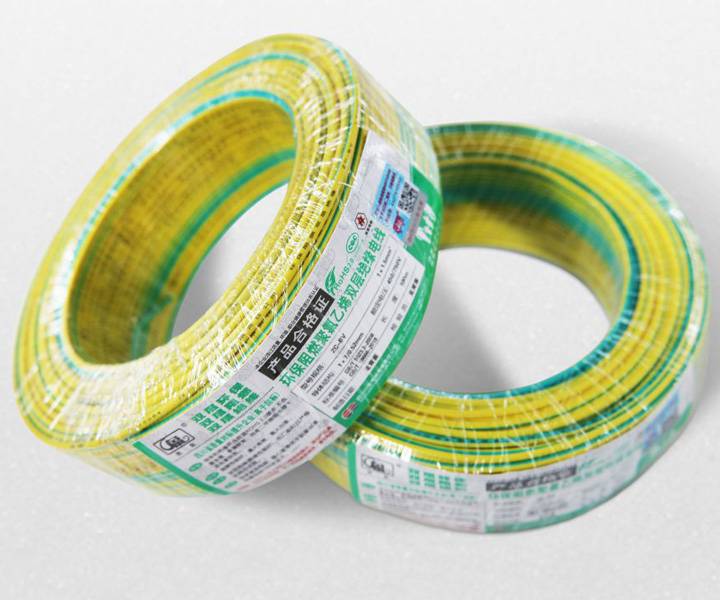

Environmentally Friendly Flame-retardant PVC Double-layer Insulated Wire
Sichuan Chndo Cable Co., Ltd.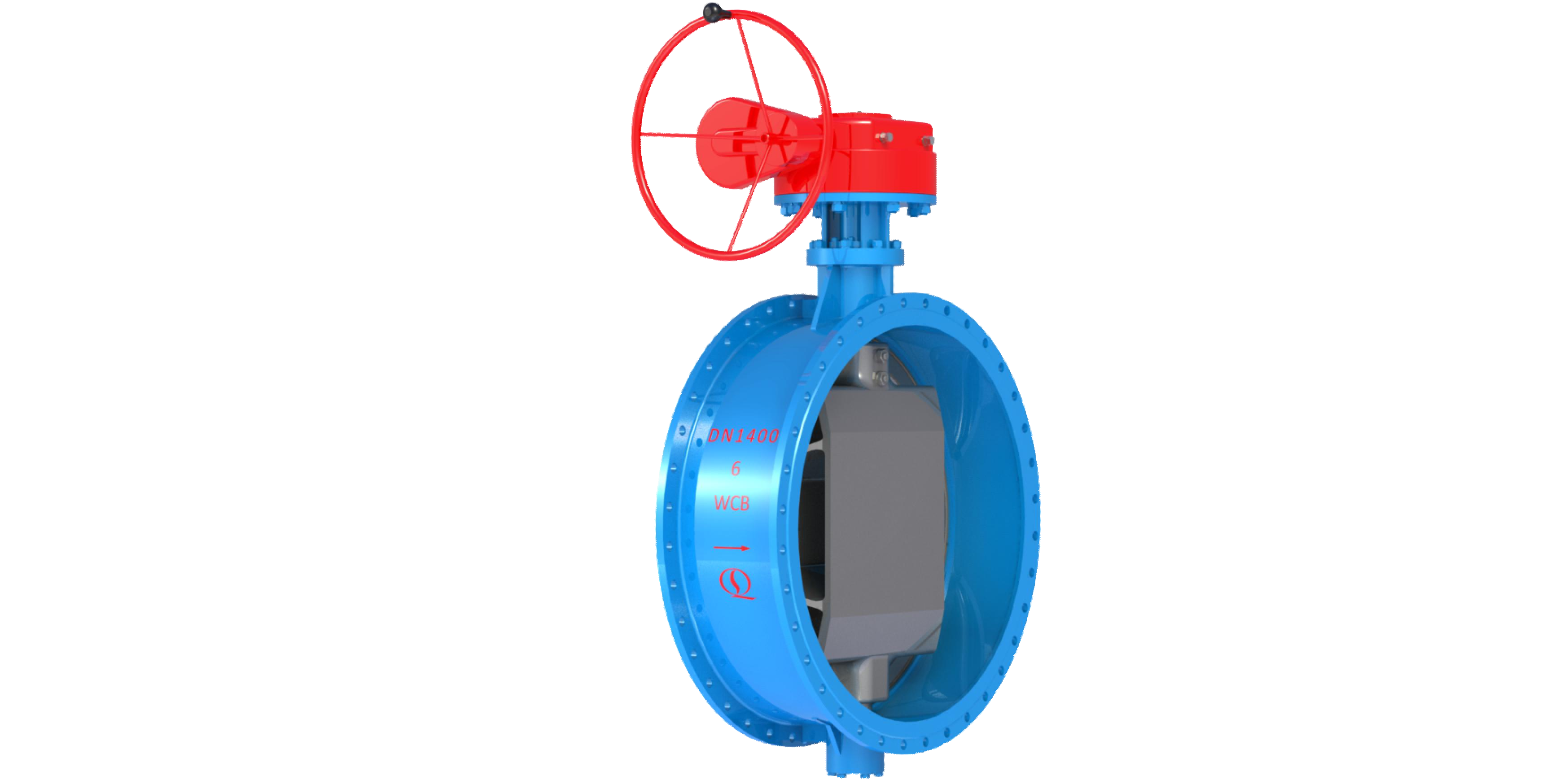
Bidirectional Metal Hard Sealed Seawater Butterfly Valve
Henan Quanshun Flow Control Science & Technology Co., Ltd.
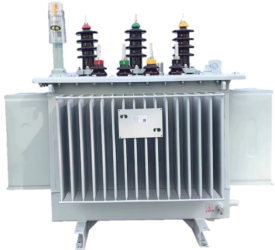
Oil-immersed Amorphous Alloy Core Distribution Transformer
Pinggao Group Smart Electric Co., Ltd.
Standard Nozzle Flowmeter
Jinggong Automatic Control Instrument Complete Technology Development Company
Optional Accessory - Auxiliary Sampling Module
Beijing Soaring Electric Technology Co., Ltd.