Wood Mackenzie: Singapore's 2035 Low-Carbon Electricity Import Target May Be Difficult to Achieve
en.Wedoany.com Reported - On October 7, energy research firm Wood Mackenzie released an assessment report on Singapore's cross-border low-carbon electricity import projects, projecting that Singapore will struggle to meet its target of importing 6 million kilowatts of low-carbon electricity by 2035. The Energy Market Authority of Singapore has approved six cross-border transmission corridors with a combined potential import capacity of 9.25 million kilowatts, but none of the projects included in the import plan has yet reached financial close or commenced construction. Wood Mackenzie expects that by 2035, imported low-carbon electricity will account for approximately 15% of Singapore's power generation mix, below the official target of about one-third.
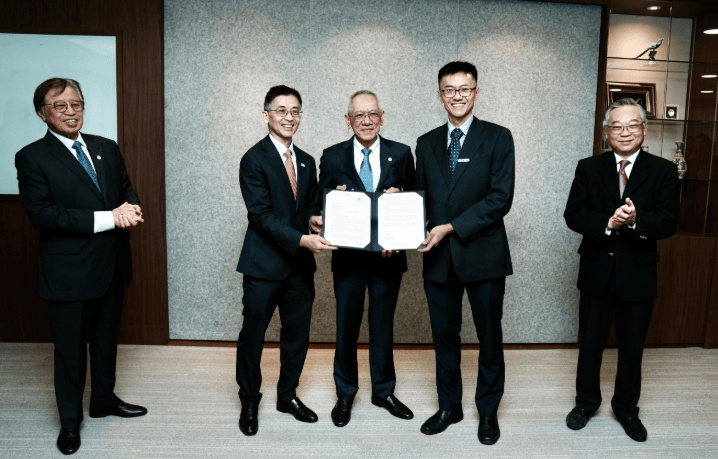
Among the various import corridors, the Malaysia projects are relatively further advanced. The existing cross-border transmission interconnection between Singapore and Malaysia has a bidirectional transmission capacity of up to 1 million kilowatts. In August this year, the Energy Market Authority of Singapore approved the import of 900,000 kilowatts of electricity from Johor, Malaysia, with Sembcorp Utilities responsible for 300,000 kilowatts and Southern Solar Alliance responsible for 600,000 kilowatts. The former plans to supply power using floating solar photovoltaics and battery energy storage facilities, and could potentially begin imports through existing infrastructure as early as 2029; the remaining capacity is expected to require a second cross-border interconnection, for which related engineering work is still in the feasibility study stage.
Indonesian projects account for 37% of the approved import capacity, with six projects holding conditional licenses but still constrained by power export license durations, local content procurement, and energy storage facility construction requirements. Wood Mackenzie noted that current Indonesian regulations require power export licenses to be renewed every five years and allow export quotas to be revoked when domestic supply is tight; there is also a 40% local content requirement. In July 2026, Indonesia's sovereign wealth fund Danantara signed memoranda of understanding on cross-border power cooperation with Keppel Electric, Sembcorp Utilities, and other institutions, though the related projects still need to finalize export arrangements, power purchase prices, and financing conditions.
Projects in Vietnam, Cambodia, and Australia together account for 43% of the planned import capacity and remain at the conditional approval stage. Vietnam has not yet established a complete institutional framework to support foreign developers exporting electricity via dedicated submarine cables; the Cambodia project lacks a clear construction timeline; and the Australia-Asia Power Link project planned by Australia's Sun Cable involves approximately 4,500 kilometers of cable route, of which about 3,700 kilometers pass through Indonesian territorial waters. The marine survey permit obtained for the project does not include approval for cable laying. The Sarawak-to-Singapore transmission project in Malaysia, meanwhile, signed a preferred supplier agreement with Prysmian in October 2025, with a target for commercial operation in the mid-2030s.
Regarding project commercial conditions, Wood Mackenzie noted that imported electricity must also compete with Singapore's wholesale electricity prices and meet the Energy Market Authority's requirements for stable supply and importer licensing. The supply conditions listed in the report include achieving an annual load factor of at least 60%, obtaining a formal electricity import license, and securing a power purchase price that buyers are willing to bear long-term. Cross-border transmission financing, power supply contracts, and the mechanism for recognizing the carbon attributes of imported low-carbon electricity also remain to be improved. Meanwhile, the Energy Market Authority of Singapore's September 2026 procurement documents increased the number of hydrogen-compatible combined cycle gas turbine units planned for deployment in 2032 from two to five, with an additional 600,000 kilowatts of gas-fired generation capacity scheduled to come online in 2027 and 2029 respectively.
Related Products


Pneumatic high-pressure wear-resistant ball valve
Zhejiang Deca Control Valve Meter Co., Ltd.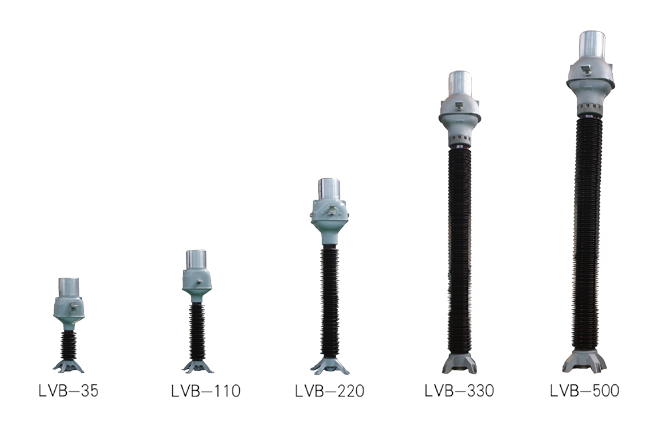
LVB Series 35-500kV Oil-immersed Inverted Current Transformer
Shandong Taikai Instrument Transformer Co., Ltd.
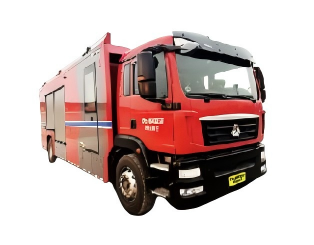
Modular Multifunctional Water Supply and Drainage Vehicle (18T)
Changsha Dewater Machinery Technology Co., Ltd.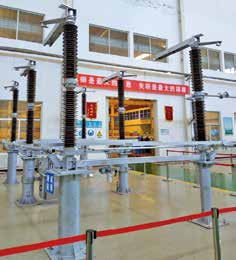
GW4-40.5/72.5/126/145/170/252/363/420 Series Double-column Horizontal Rotary High-voltage AC Disconnect Switch
SHANDONG TAIKAI DISCONNECTORS CO., LTD.

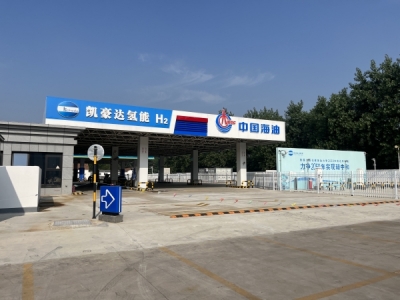
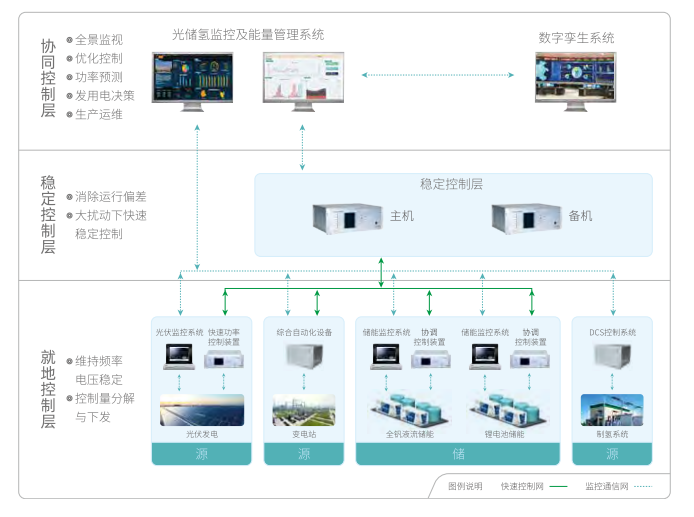
Hydrogen production and hydrogenation charging refueling gas integrated energy station
Shenzhen Kohodo Hydrogen Energy Co., Ltd.
IS(B)□-M·RL Series Oil-immersed 3D Transformer (Planar / 3D Wound Core)
Guangdong Kehua Electric Power Technology Co., Ltd.