Australia AEMO: FY26 adds 9.1GW of renewable energy and storage
en.Wedoany.com Reported - The Australian Energy Market Operator (AEMO) stated in its FY26 annual report that the National Electricity Market (NEM) added a record 9.1GW of renewable energy and storage capacity in FY26, but the report also emphasized that electricity reliability depends on whether the investment pipeline can be delivered on time.
AEMO is the independent system and market operator for Australia's electricity and gas systems, responsible for the real-time operation of the NEM, the Wholesale Electricity Market (WEM) in Western Australia, and Victoria's declared transmission system, while also providing forecasts, planning, and advice to guide industry investment decisions.
The FY26 report shows that 9.1GW of new generation and storage capacity reached full power output across the NEM for the year, more than double the amount achieved in FY25. Registrations and application approvals reached 7.4GW and 14.2GW respectively; the broader connection pipeline grew 42% year on year, from 53GW to 75.4GW. Capacity in the application stage more than doubled, while the developer-led implementation stage (which is not part of AEMO's role in the connection process) grew 30%.
Connection efficiency also improved. AEMO's average application review time improved by 9%, to 8.6 months; commissioning reform reduced commissioning time by 10%, to 4.5 months.
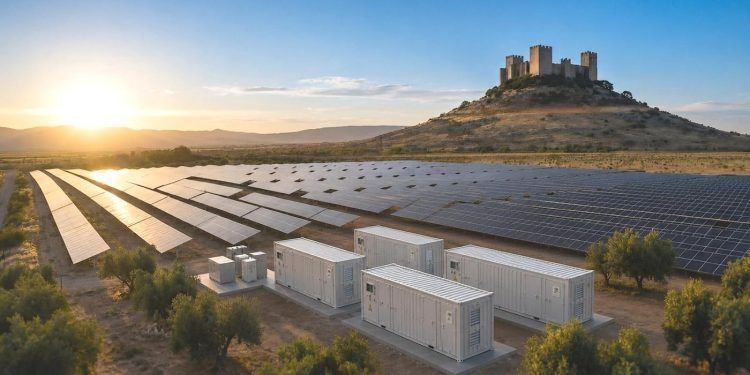
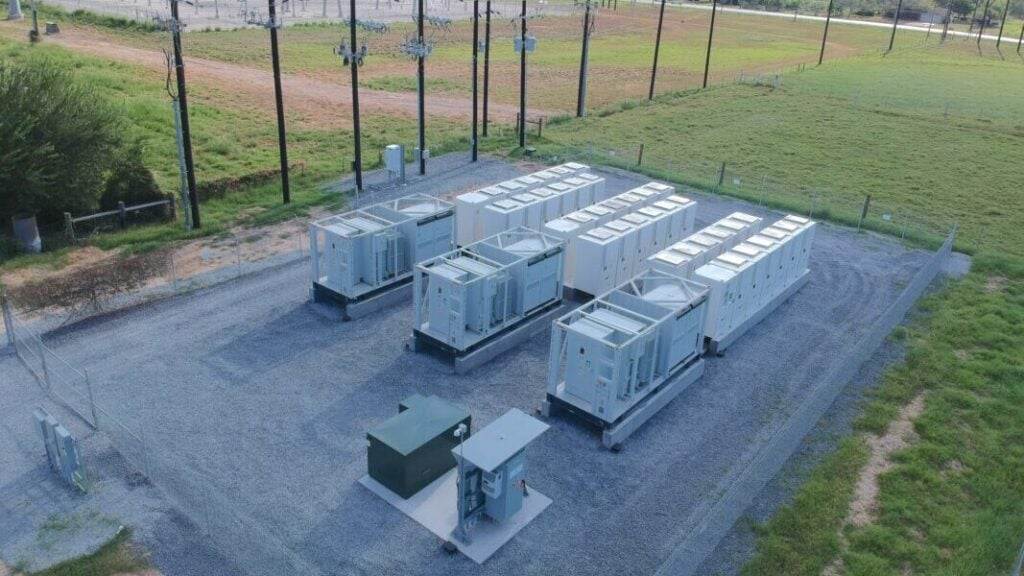
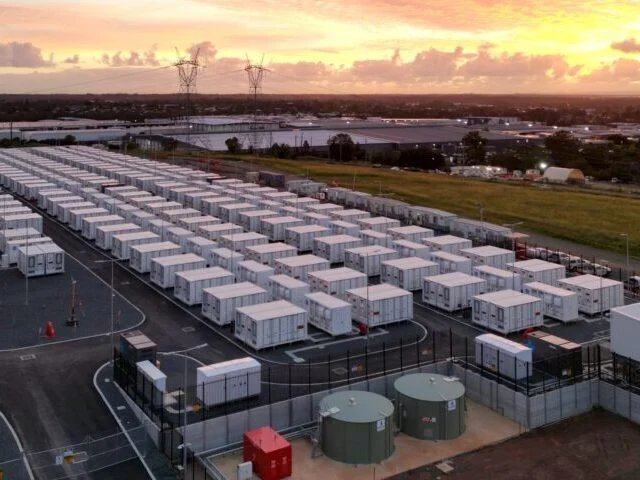
WEM connections also set a record, with 835MW of new capacity commissioned during the year, including three new grid-scale battery energy storage projects; total installed grid-scale battery capacity across the market is 1.4GW.
Across the NEM, renewable generation including rooftop solar accounted for 46% of total annual generation, exceeded 50% in the second quarter of FY26, and set a new record instantaneous renewable contribution of nearly 80% in a half-hour period on 11 October 2025. Renewable generation in WEM accounted for 40.8% and reached an instantaneous record of 91% on 20 December 2025.
The report said that expanding grid-scale and residential battery storage capacity is shifting surplus renewable energy generated during the day to evening peak periods, reducing reliance on coal and gas generation while providing essential system services. In the first half of 2026, east coast gas generation fell to a historic low, and the growing role of batteries in meeting evening peak demand was cited as a key factor in lower wholesale electricity prices and reduced price volatility.
On system security investment, the report framed it as work carried out ahead of time rather than catch-up. The report clearly stated that reliability and system security investment must occur before known transition points, rather than reacting after those points emerge. In December, AEMO released its second annual Transition Plan for System Security (TPSS), identifying key transition points such as coal plant retirements and outlining the requirements for maintaining a stable and secure power system over the next decade.
The report said: "New investment and reform are needed before these transition points to maintain system security, and there is an opportunity to coordinate and optimize reliability and system security investment to help reduce costs as much as possible." Through the NEM reform program, AEMO advanced implementation of the Australian Energy Market Commission's (AEMC) improved security framework, which entered operation in December.
The report said this introduced "a more proactive approach to procuring essential security services, including system strength and inertia," and noted that these changes "enhance AEMO's ability to manage system security in real time while reducing reliance on market interventions, supporting more efficient outcomes, better integration of renewable generation, and improved overall system reliability." AEMO also submitted a rule change request during the year to improve the planning and procurement framework for system security, saying this directly responds to "issues observed to date in deploying resources in a timely and efficient manner to meet system security needs during the energy transition."
This wording relates to a specific technical issue AEMO raised separately regarding grid-forming battery energy storage. Energy-Storage.news reported that AEMO confirmed grid-forming BESS has not yet been proven to provide protection-grade fault current at scale, the highest level of system strength service, and has launched a trial to procure Type 2 Transitional Services to test whether grid-forming inverters can meet that standard under real grid conditions.
In June 2026, after two years of analysis and engagement with nearly 2,000 stakeholders, AEMO released the 2026 Integrated System Plan (ISP), testing more than 1,000 portfolios of generation, storage, transmission, and distribution investment under three future scenarios to determine its lowest-cost "optimal development path." The report said the 2026 ISP reaffirmed that, as coal plants retire and electricity consumption doubles, renewable energy connected by transmission and distribution, firmed by storage, and supported by gas is the lowest-cost way to supply secure and reliable electricity.
The ISP set a storage requirement of nearly 40GW, divided into 35GW of short- and medium-duration storage for daily peaking and 5GW of long-duration storage for seasonal reliability; AEMO's most likely "Step Change" scenario, with a 46% probability, requires A$106 billion ($73 billion) of investment by 2050. The annual report also noted that the 2026 ISP identified investment opportunities in distribution networks for the first time to support the expected growth of consumer energy resources, and provided a more integrated assessment of the role of east coast gas infrastructure in supporting power system reliability.
AEMO's FY26 capital investment program totals A$216.6 million, the largest to date, of which A$84.4 million is for reform initiatives implementing complex rules and policy changes, with the remainder for modernizing NEM, WEM, and gas market operations and business systems.
Through its subsidiary AusEnergy Services Limited (ASL), AEMO implements government-supported procurement programs including the federal Capacity Investment Scheme (CIS); as of 30 June, AEMO had completed 17 tenders across three government programs, supporting 142 projects representing about 25GW of generation and 100GWh of storage, with four tenders ongoing. Specifically in FY26, ASL completed seven rounds of CIS tenders in the NEM and WEM, five for renewable generation and two for dispatchable capacity, and implemented a streamlined single-stage tender process aimed at accelerating outcomes.
AEMO's separately released 2026 Electricity Statement of Opportunities in August found a clearer path to maintaining reliable supply over the next decade, while warning that continued investment in system security services is needed as inverter-based resources grow. AEMO Chief Executive Officer Daniel Westerman said at the time: "Beyond 2030, the next wave of investment will be critical to maintaining reliability."
The annual report listed data centers as one of the fastest-growing sources of electricity demand in Australia's energy system, now treated as a separate category in AEMO's planning and forecasting. Data center electricity consumption is expected to grow from about 3% of NEM operational consumption currently to about 8% by 2030; as of 30 June, 17 proposed data center projects were progressing through the transmission connection process, with a combined maximum connection capacity of 9GW. This growth has begun to influence national policy, with the AEMC framework requiring large data centers to offset consumption through new renewable generation and to contract peaking capacity.
Looking ahead, the report warned: "Increasing control room complexity, implementation of market reforms, evolving cyber threats, and broader operational risks will require AEMO to balance cost discipline with maintaining operational readiness and resilience," and to make targeted investments in capability, training, and systems to continue operating the system safely as its responsibilities expand.
Related Products

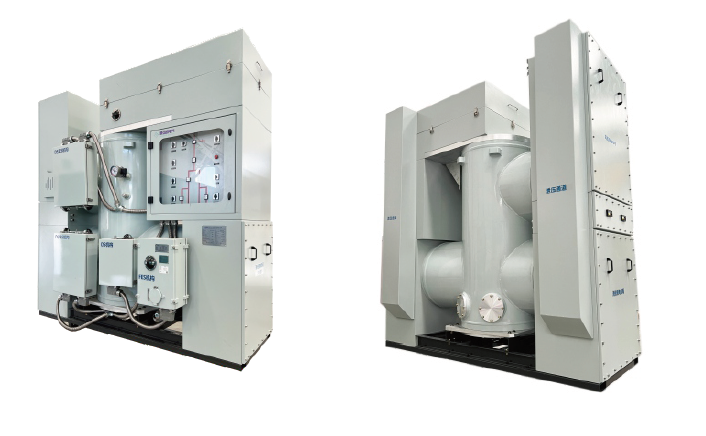
72.5kV 1250A 31.5kA SF6 free Gas-insulated Metal-enclosed Switchgear
Zhejiang Juhonkia Intelligent Electric Co., Ltd.
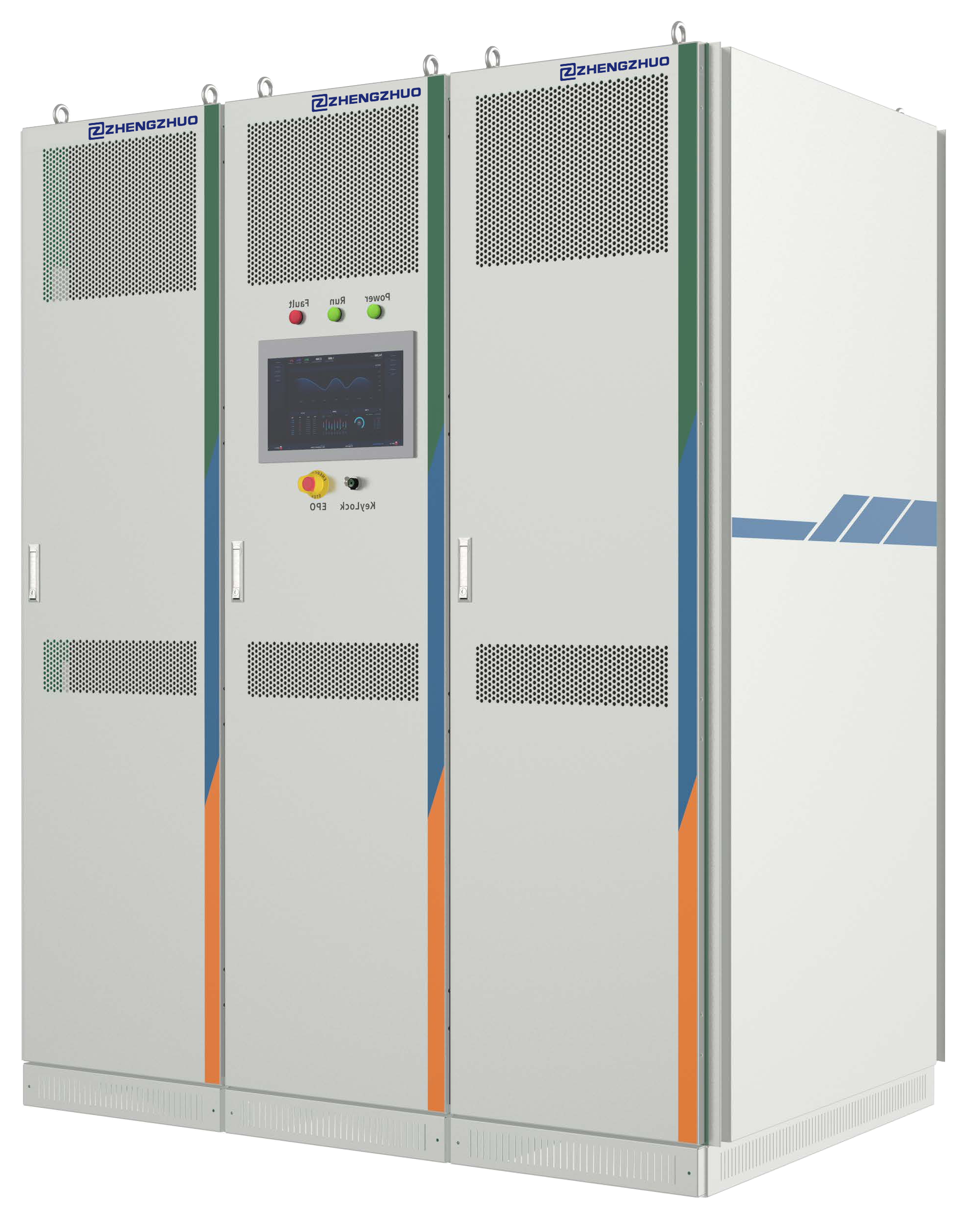
IGBT Hydrogen Production Power Supply - High Power Air Cooling
Beijing Zhengzhuo Engineering Technology Co., Ltd.
Forest and Grassland Heat Source Infrared Monitor
China Huayun Meteorological Technology Group Co., Ltd.
Standard Nozzle Flowmeter
Jinggong Automatic Control Instrument Complete Technology Development Company
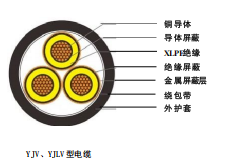
Rated Voltage 6-35kV Cross-linked Polyethylene Insulated Power Cable
TONGDING INTERCONNECTION INFORMATION CO., LTD.