China's First 100-Megawatt-Scale Compressed Carbon Dioxide Energy Storage Project Connected to Grid and Generating Power
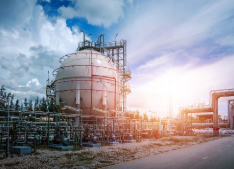
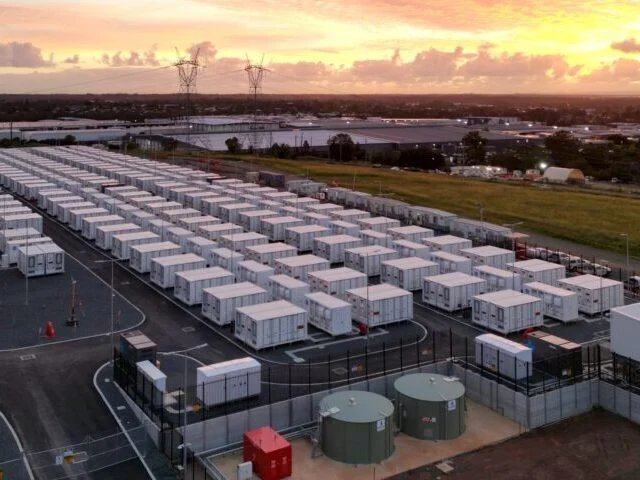
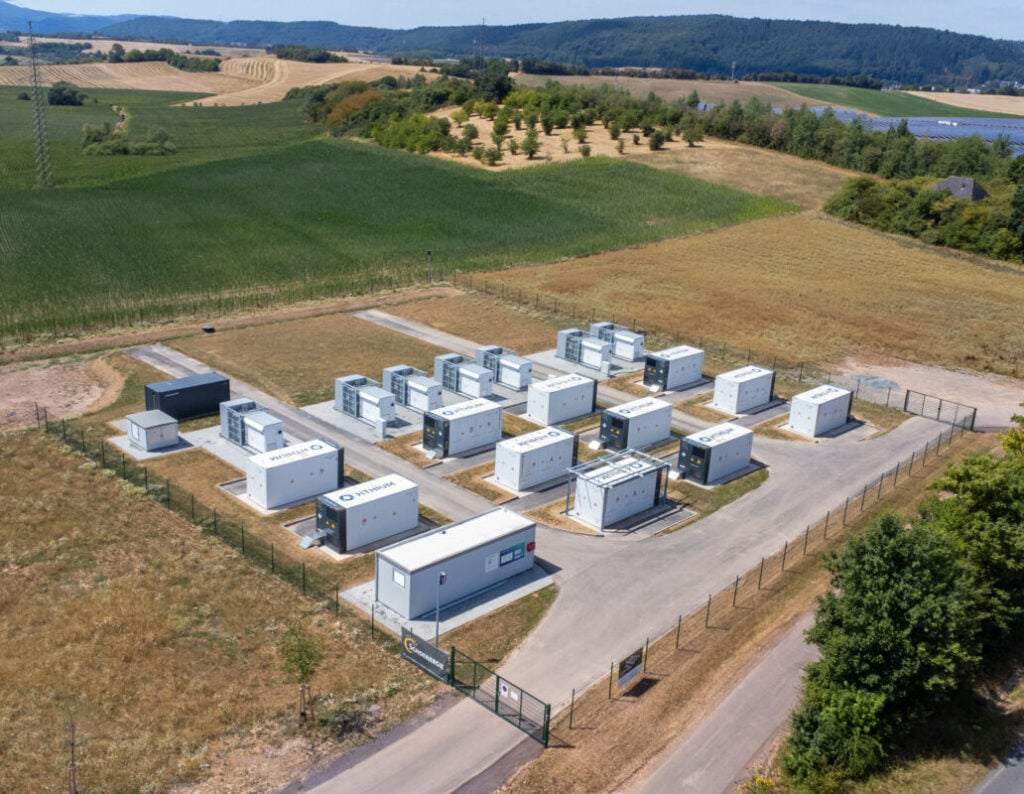
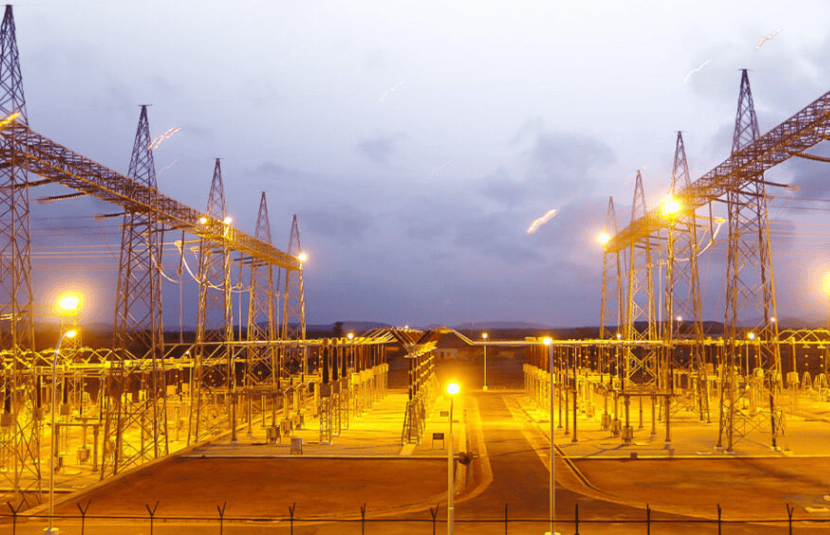
en.Wedoany.com Reported - On September 30, China's first 100-megawatt-scale compressed carbon dioxide energy storage project — the China Huadian Xinjiang Mulei Compressed Carbon Dioxide Energy Storage Project — successfully completed its first grid connection, marking an important breakthrough in China's key technologies for gas-liquid phase change energy storage and integrated engineering applications. As a giant "power bank" standing on the Gobi Desert, the project does not rely on geological conditions and can achieve minute-level response according to grid demand, flexibly charging during low-demand periods and discharging during peak periods, effectively strengthening the grid's peak-shaving and valley-filling as well as frequency and voltage regulation capabilities, and exploring a new path for long-duration energy storage.
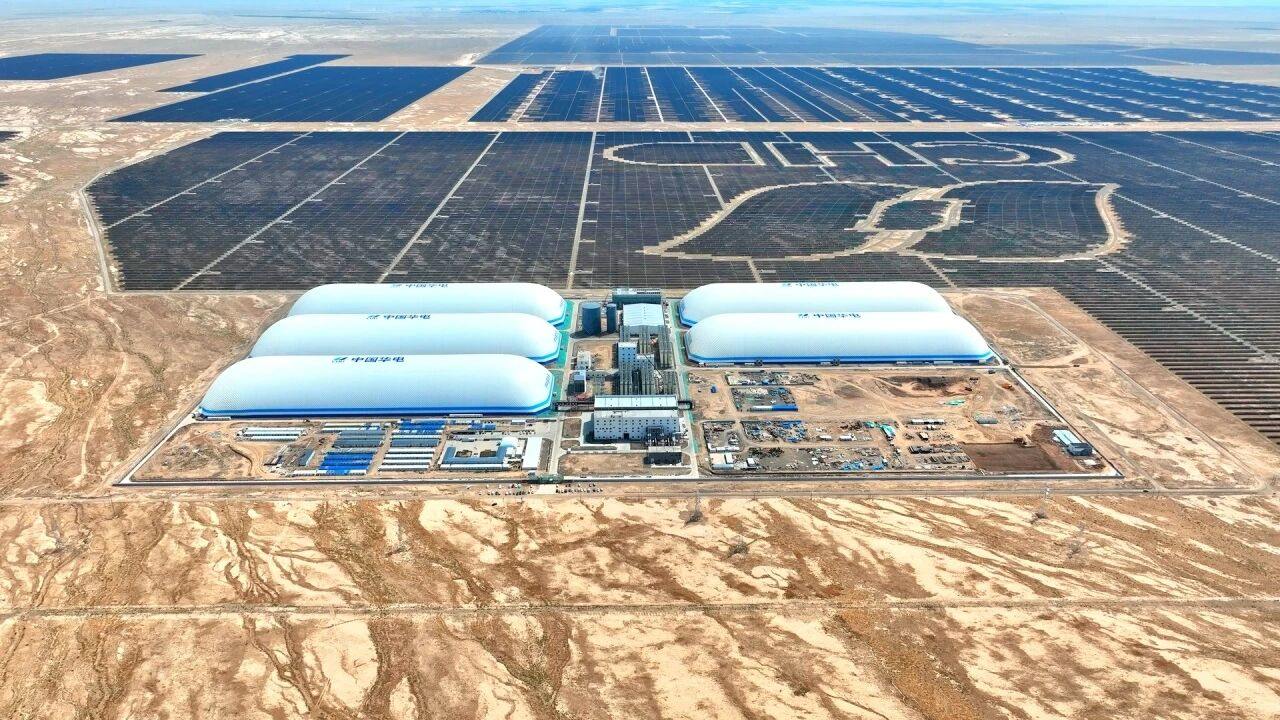
In terms of energy storage and grid engineering applications, the project uses carbon dioxide as a closed-cycle medium, achieving high-density energy storage through compression and liquefaction, and driving turbine power generation through gasification and expansion during peak electricity consumption periods. The project is equipped with 600,000 kilowatts of wind power and 400,000 kilowatts of photovoltaic power, enabling efficient absorption of surplus green electricity in the surrounding area and significantly reducing wind and solar curtailment rates. Its core equipment and control systems are fully independently controllable, with engineering advantages including zero carbon emissions throughout the process, flexible start-stop, and a wide load regulation range, significantly enhancing the flexibility and security of the regional power system.
After full operation, the energy storage station can store 290 million kilowatt-hours of electricity during grid low-demand periods each year and release 180 million kilowatt-hours of clean green electricity during peak periods, with continuous power generation exceeding 6 hours and annual power generation of approximately 200 million kilowatt-hours. This not only saves approximately 50,000 tons of standard coal and reduces carbon dioxide emissions by approximately 170,000 tons annually, but also provides a replicable and promotable engineering model for supporting energy storage at large-scale wind and solar bases in desert, Gobi, and wasteland areas, helping to advance the construction of China's new-type power system economy and the realization of the "dual carbon" goals.