German-Chilean Battery Materials Cooperation Platform PaNaBat Launched
en.Wedoany.com Reported - The German-Chilean international cooperation project PaNaBat will establish a long-term German-Chilean network platform to promote research collaboration, education, technology transfer, and industrial cooperation in the fields of sustainable battery raw materials, lithium extraction, and battery recycling. The project also aims to promote the diversification and regionalization of supply chains, supporting a broader international presence for lithium and other critical raw materials used in battery production in export markets.
Materials research and process development play a central role in the sustainable use of lithium in battery production. Lithium is one of the most important raw materials for the battery industry and electric vehicles, with more than 50% of global lithium reserves located in Latin America, primarily concentrated in the "lithium triangle" region of Chile, Bolivia, and Argentina. Currently, lithium extraction takes place mainly in Chile's Atacama Desert using large evaporation ponds. This process can lead to significant water loss and may have important environmental impacts, particularly in sensitive ecosystems where water resources are also critical for local communities and agricultural activities.
In this context, new, more sustainable, and more efficient technologies are becoming increasingly important. The Universidad Católica del Norte in Chile and several Fraunhofer Institutes in Europe are currently researching innovative methods such as Direct Lithium Extraction (DLE) and closed-loop evaporation processes. To address the environmental challenges associated with increased production, the project is also conducting ecological analyses of processes adapted to local conditions.
The project aims to establish close German-Chilean R&D cooperation to achieve resource-efficient and energy-efficient lithium extraction, laying the foundation for a sustainable circular economy for the European battery market. Participants include the Lithium I+D+i Center (Investigación + Desarrollo + Innovación) at the Universidad Católica del Norte, Fraunhofer Chile, the Fraunhofer Institute for Thin Films and Surface Technology (Fraunhofer IST), the Fraunhofer Institute for Solar Energy Systems (Fraunhofer ISE), and the Fraunhofer Institute for Silicate Research (Fraunhofer ISC), with Fraunhofer ISC responsible for project coordination.
One of the key elements of PaNaBat is the establishment of an information and networking platform connecting partners, companies, and research institutions. During the establishment phase, initial pilot projects have been launched to test and refine the platform and its organizational structure. Subsequently, additional projects with external partners will be carried out to strengthen exchange and cooperation.
The project holds significant economic importance. Securing sustainable sources of lithium and developing modern recycling processes help enhance raw material independence and competitiveness. At the same time, Chilean companies and research institutions benefit from new technologies and access to international markets.
PaNaBat is also committed to establishing a sustainable circular economy for battery materials such as lithium, cobalt, nickel, and aluminum. Key focus areas include closed-loop material cycles, advanced recycling processes with a low CO₂ footprint, as well as automated battery dismantling, novel sorting technologies, and efficient treatment methods. The project aims to recover materials in a form that preserves their functionality rather than in elemental form, enabling direct reuse in battery production. In this process, the strategic partnership with Chile is particularly crucial, especially regarding the adoption of more sustainable new methods such as Direct Lithium Extraction (DLE) for producing process chemicals like lithium hydroxide or lithium carbonate, as well as promoting the transfer of expertise in mining and processing process steps applied to battery recycling.
Assessing the environmental impact of new technologies is another core topic of the project. Life Cycle Assessment (LCA) and Life Cycle Engineering (LCE) will be integrated into the development of new products and processes through the Integrated Computational Life Cycle Engineering (ICLCE) concept, thereby optimizing production processes at an early development stage. This enables robust and sustainable solutions to be transferred more quickly to industrial application.
PaNaBat is supported by an industry advisory board comprising German and Chilean companies, primarily small and medium-sized enterprises, which will become actively involved in project implementation as the project progresses. In this way, the project builds an international cooperation network between research institutions and industry, developing concrete solutions for more sustainable battery production that benefit the economy, society, and environment in both Europe and Chile.
Related Products

GW4-40.5/72.5/126/145/170/252/363/420 Series Double-column Horizontal Rotary High-voltage AC Disconnect Switch
SHANDONG TAIKAI DISCONNECTORS CO., LTD.

G.652.D Wavelength-extended Non-dispersion Shifted Single-mode Optical Fiber
HONGAN GROUP CO., LTD.
PCS-901 Series Ultra (Extra) High-voltage Transmission Line Complete Protection Device
Nanjing NR Electric Co., Ltd.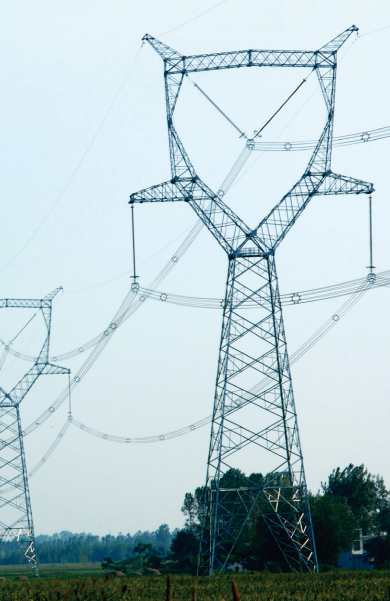
1000kV Jin Southeast-Nanyang-Jingmen UHV AC Transmission and Transformation Pilot Demonstration Project
Anhui Hongyuan Steel Tower Co., Ltd.
714CD Series C-Band Weather Radar
Chengdu Zhongdian Jinjiang Information Industry Co., Ltd.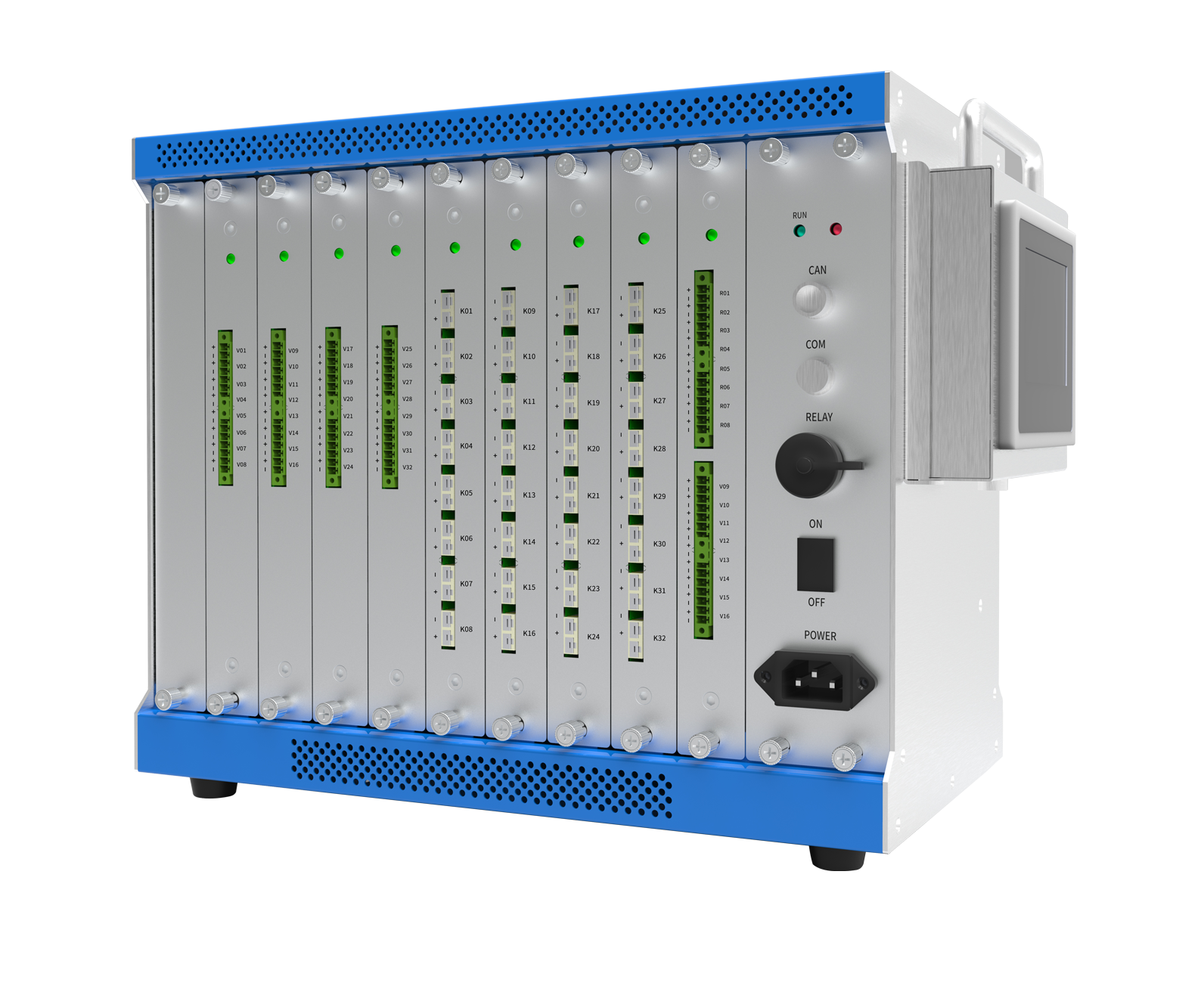
Optional Accessory - Auxiliary Sampling Module
Beijing Soaring Electric Technology Co., Ltd.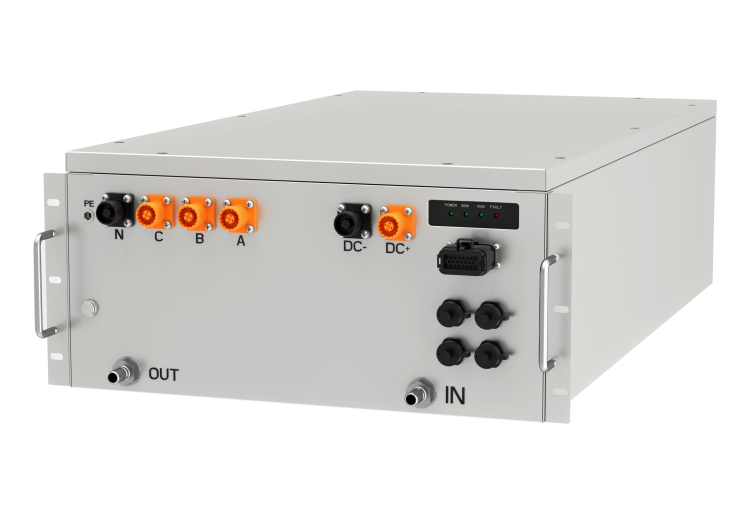
Mars (Liquid Cooling) Series Industrial and Commercial Energy Storage Converter High Protection Module
Shenzhen Winline Technology Co., Ltd.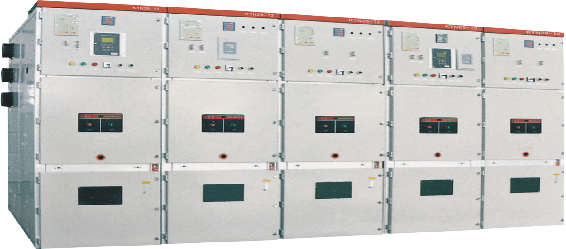
KYN28-12/24 Indoor High-Voltage Metal-Clad Removable Switchgear
Shenzhen Zhaoyang Hui Technology Co., Ltd.