US Forge Nano Secures $100 Million to Build Lithium Battery Plant, Production to Begin in 2028
en.Wedoany.com Reported - US chipmaker Forge Nano has received a $100 million grant from the US Department of Energy to expand its lithium-ion battery plant in Morrisville, North Carolina. The company specializes in advanced materials and supporting advanced manufacturing systems. The expansion will increase the campus footprint from 100,000 square feet to nearly 315,000 square feet, and will include a lithium-ion battery cell factory with an annual capacity of 3 gigawatt-hours, expected to begin production in 2028.
Forge Nano stated that the facility aims to address one of the biggest vulnerabilities in the US battery industry: the reliance on foreign-controlled supply chains for batteries used in national security-critical applications. The company said the expansion will establish a secure, US-based manufacturing hub to supply advanced lithium-ion batteries at scale. Forge Nano's own investment in the expansion ranges between $300 million and $330 million.
The grant comes from the 2024 Battery Materials Processing and Battery Manufacturing program, authorized by the 2021 Bipartisan Infrastructure Law, with a focus on heavy-duty truck decarbonization and off-highway, aerospace, and defense applications—not electric passenger vehicles, at least not initially. Audrey Robertson, Assistant Secretary for the Office of Critical Minerals and Energy Innovation at the US Department of Energy, attended the groundbreaking ceremony. Democratic Congresswoman Deborah Ross welcomed the grant in a September 20, 2024 press release; Republican Senators Thom Tillis and Ted Budd had previously urged the Department of Energy to prioritize funding for the project.
Based on an annual capacity of 3 gigawatt-hours, Forge Nano expects the plant to produce approximately 150 million battery cells per year. Depending on customer demand and product mix, this capacity could support roughly 10 to 20 million drone batteries, 34,000 electric military vehicles, 6 million BB-2590 radio batteries, 900 6T (Type 2) batteries, or about 275 energy storage system containers annually. The expansion timeline is expected to align with new National Defense Authorization Act (NDAA) battery procurement requirements taking effect in 2028. The US Department of Defense has been advancing vehicle electrification, with a current focus on hybrid electric vehicles, including autonomous hybrid vehicles.
Samsung SDI is also involved in the project. In June, the South Korean company reached a conditional agreement with Forge Nano to purchase battery cells produced at the new gigafactory; Forge Nano will also serve as an authorized distributor of Samsung SDI cells in the US. In addition to its own Atomic Armor™ products, the expanded plant will also produce Samsung SDI cells, which target automotive applications but do not involve the consumer end. Forge Nano CEO Paul Lichty stated that this collaboration marks the first time a US battery technology company has partnered with a tier-one battery manufacturer to produce the latter's cells on US soil; the same partner will ensure the plant's operational level and will purchase cells from the plant for delivery to critical US markets. This model reduces scaling risks and allows Forge Nano to deliver US-made battery cells directly to defense and other critical infrastructure customers in need of secure domestic supply.
General Motors has a separate collaboration with Forge Nano. In October 2024, General Motors announced it was dropping its Ultium electric vehicle battery brand and investing $10 million in Forge Nano; Forge Nano will also build prototype lithium-ion battery cells at its headquarters in Thornton, Colorado, to demonstrate the technology's capabilities. General Motors' defense division was recently selected, along with Ford and startup BC Customs, to develop prototype hybrid electric tactical vehicles for the US Army.
Related Products

Smart Photovoltaic Prefabricated Substation
Shanghai Jinyou Jinhong Intelligent Electric Co., Ltd.
Environmentally Friendly Flame-retardant PVC Double-layer Insulated Wire
Sichuan Chndo Cable Co., Ltd.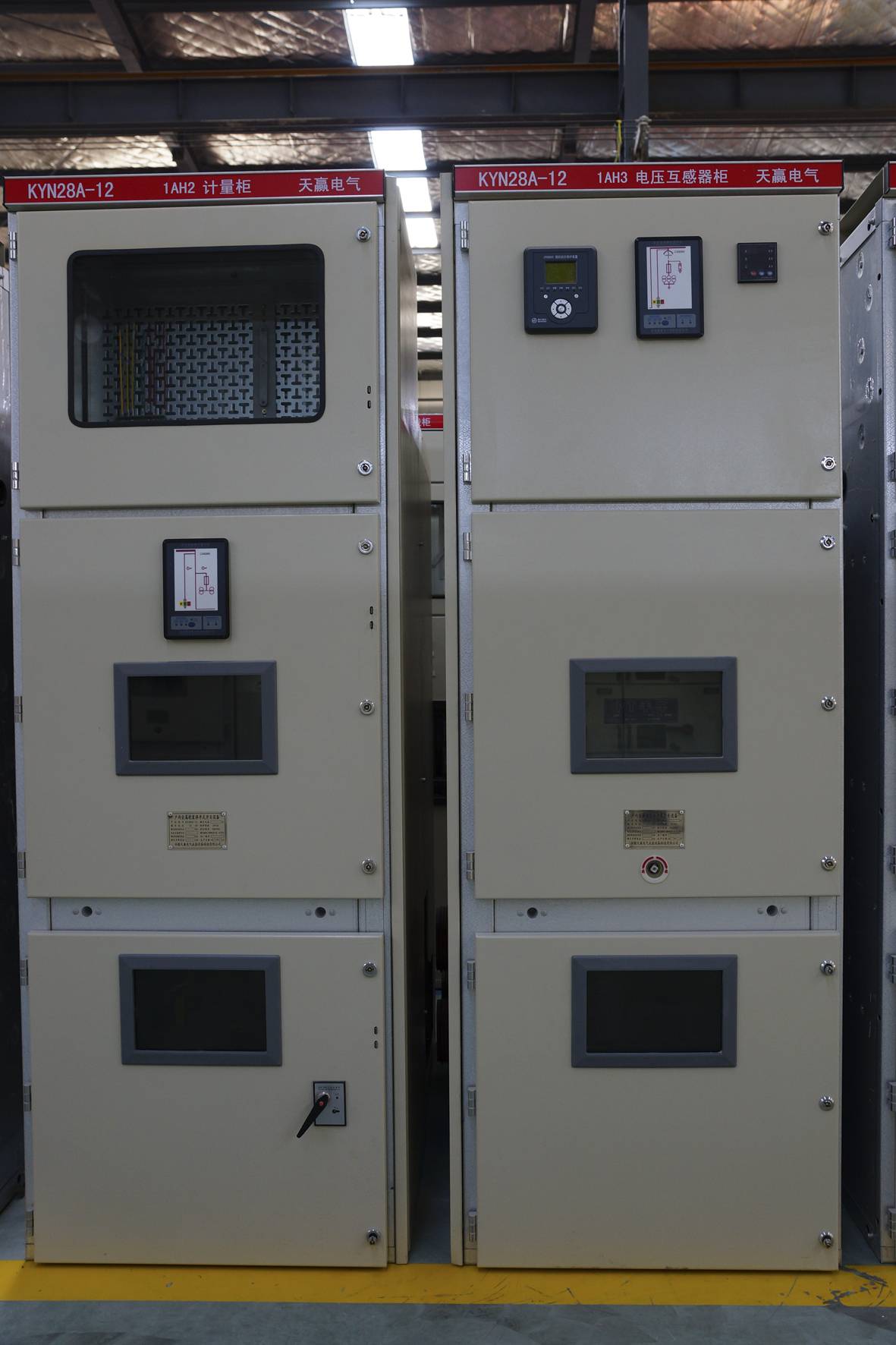
KYN28 - High Voltage Switchgear
Anhui Tianying Electrical Equipment Manufacturing Co., Ltd.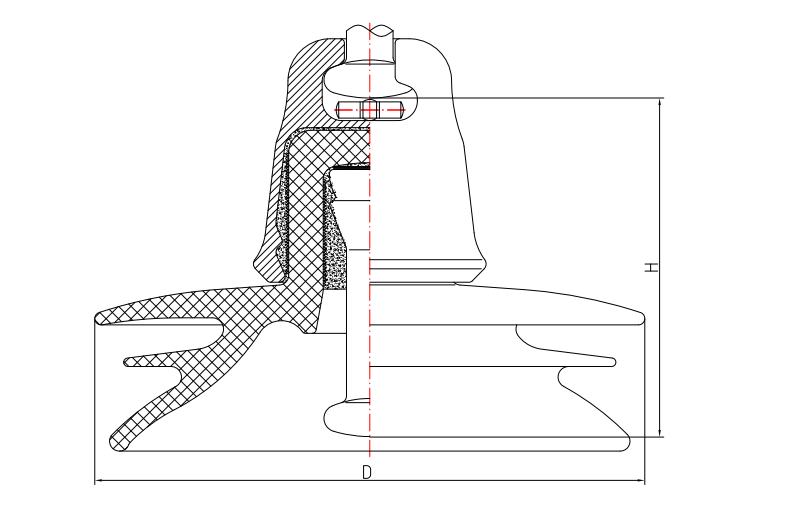
Post-type AC Pollution-resistant Disc Suspension Porcelain Insulator (Triple Umbrella Type)
Shandong High Voltage Insulator Co., Ltd.

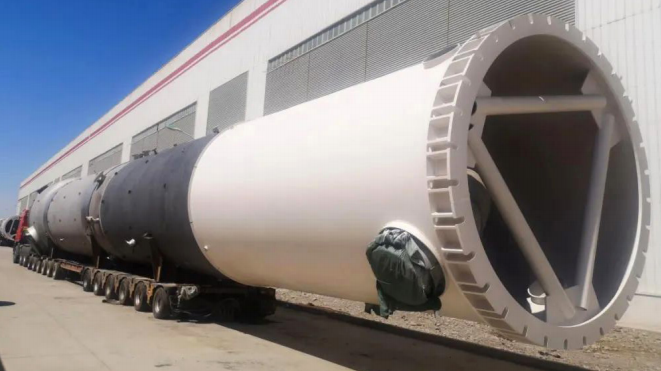
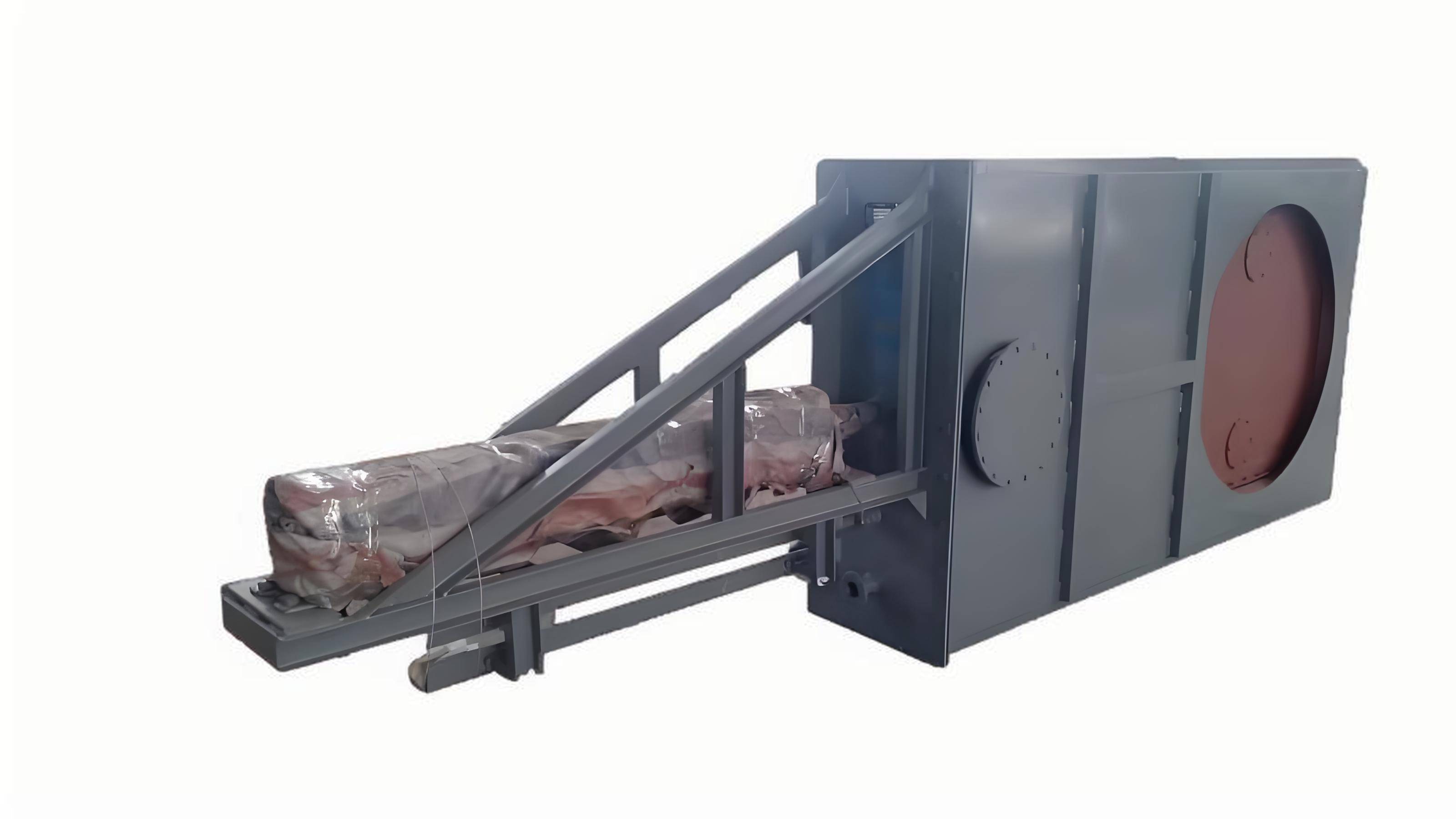
Double-slide Triple-sealed Hot Air Isolation Door
Xi'an Yingchuan Electric Power Equipment Co., Ltd.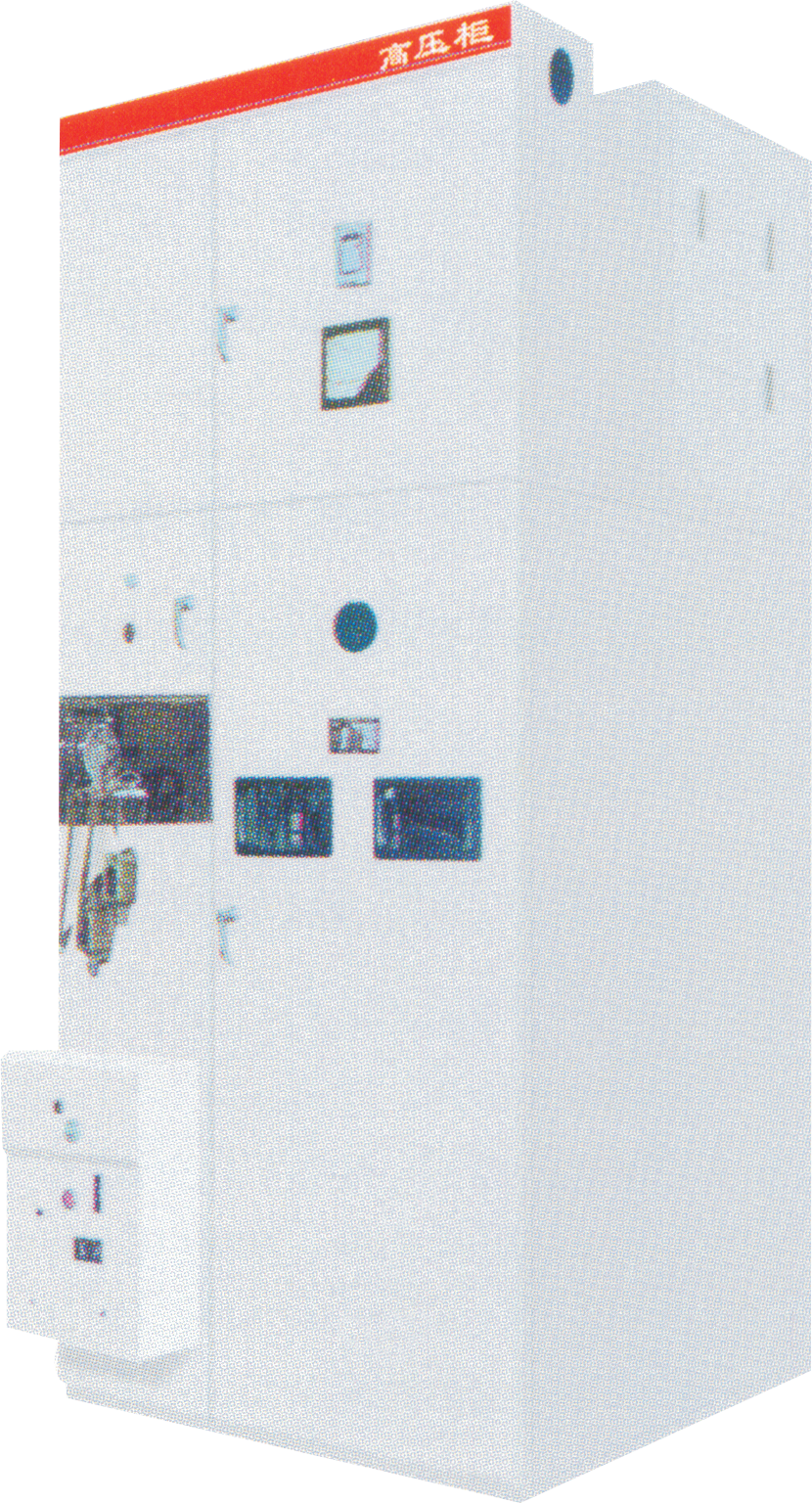
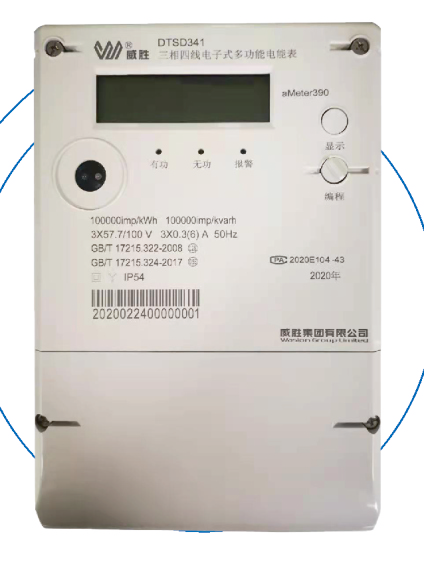
Overseas IEC Gateway Energy Meter - DTSD341/DSSD331-aMeter390
Wasion Group Limited Co., Ltd.