Nagoya University Sets Record with Fluoroxide Electrolyte Conductivity of 16.3 mS/cm
en.Wedoany.com Reported - A research team led by Associate Professor Takeshi Yajima at the Institute of Materials Design and Innovation Engineering, Nagoya University, Japan, has elucidated the high-conductivity mechanism of the fluoroxide solid electrolyte LLNOF. By adjusting the ratios of lithium, lanthanum, and vacancies within the material, the team achieved a bulk lithium-ion conductivity of 16.3 millisiemens per centimeter—the highest value ever measured for an oxide-based solid electrolyte.
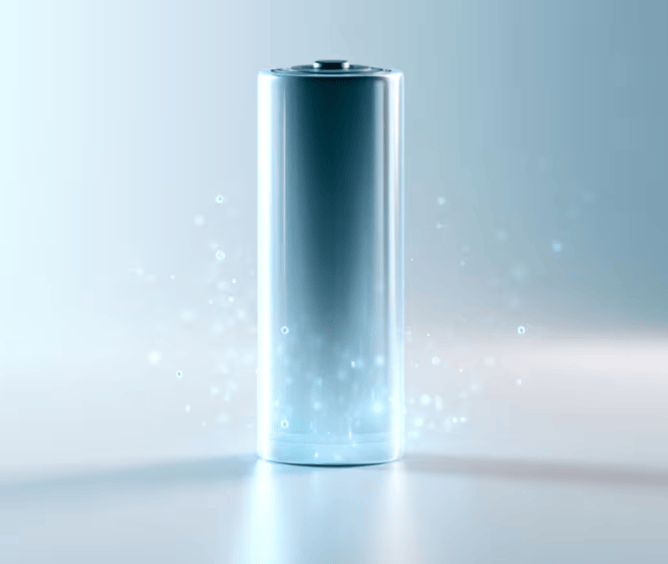
When passengers check in for flights, they are routinely asked to confirm that their checked baggage contains no portable chargers or power banks. This is because the lithium-ion batteries in such devices use a flammable liquid electrolyte to transport lithium ions between electrodes; if the battery is damaged, the liquid electrolyte can trigger a fire. Replacing the liquid electrolyte with a solid one is a key research direction for mitigating such risks, with the challenge lying in improving ionic conductivity—that is, how smoothly lithium ions migrate through the solid electrolyte.
Some current high-conductivity solid electrolytes use sulfide or chloride materials, whose conductivity arises from the deformation of the electron clouds around anions as lithium ions pass through. However, these materials release toxic gases such as hydrogen sulfide or hydrogen chloride upon contact with moisture. In contrast, oxides and fluoroxides are more robust and exhibit higher electrochemical stability as electrolytes, withstanding the repeated voltage fluctuations during charge-discharge cycles, though their conductivity is typically lower. Yajima once summarized this trade-off: fluoroxides are safer but have low conductivity, while sulfides offer high conductivity but pose hazards.
In 2024, a fluoroxide crystal with the chemical formula Li₂–xLa(1+x)/3Nb₂O₆F (abbreviated as LLNOF) was discovered, achieving a conductivity of 7 millisiemens per centimeter, comparable to liquid electrolytes. This result could not be explained by known mechanisms at the time: the electron cloud around the central fluoride ion in LLNOF is not as easily deformable as those in sulfides or chlorides. Yajima's team subsequently grew high-quality LLNOF single crystals themselves, a process he noted took over a year, as the crystal quality had to be sufficiently high for structural analysis.
The team grew millimeter-scale LLNOF single crystals using the Bridgman method and determined the local arrangement and rearrangement of atoms within the unit cell via single-crystal diffraction. The results revealed four atomic sites surrounding the central fluoride ion, arranged in a tetrahedral configuration, with each site capable of hosting a lithium ion, a lanthanum atom, or remaining vacant. Whenever a lithium ion jumps into an adjacent vacancy, the central fluoride ion shifts slightly toward the position the lithium ion originally occupied—an "evasive" maneuver—thereby lowering the energy barrier that the lithium ion must overcome for the jump. Compared with fluoroxides with rigid frameworks, this dynamic mechanism endows LLNOF with higher lithium-ion conductivity.
The researchers then optimized the composition by varying the relative proportions of lithium, lanthanum, and vacancies in LLNOF (i.e., the x in the chemical formula), finding that smaller x values yield higher conductivity, ultimately achieving a bulk lithium-ion conductivity of 16.3 millisiemens per centimeter. The results have been published in the Journal of the American Chemical Society. Yajima believes that this mechanism, which does not rely on highly polarizable ions, could be leveraged to develop more efficient oxide-based solid electrolytes; it challenges the prevailing industry view that sulfide-based materials would inherently be better conductors due to their anion characteristics. The research team stated that this achievement brings solid-state lithium-ion batteries one step closer to practical application.
Related Products
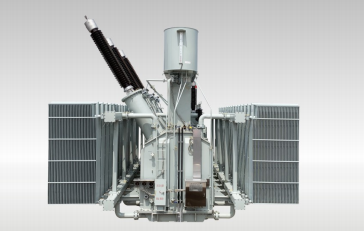

220kV and Below Voltage Level Energy-saving Oil-immersed Power Transformers
FuZhou TianYu Electric Co., Ltd.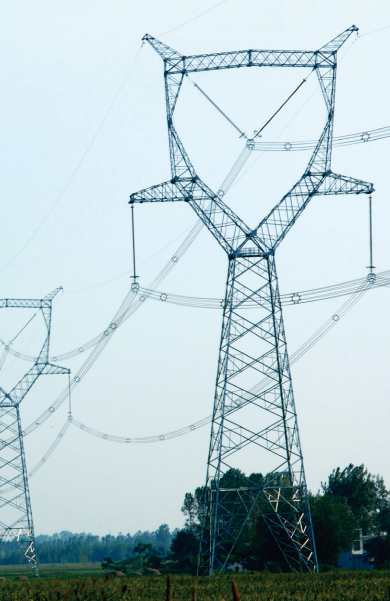
1000kV Jin Southeast-Nanyang-Jingmen UHV AC Transmission and Transformation Pilot Demonstration Project
Anhui Hongyuan Steel Tower Co., Ltd.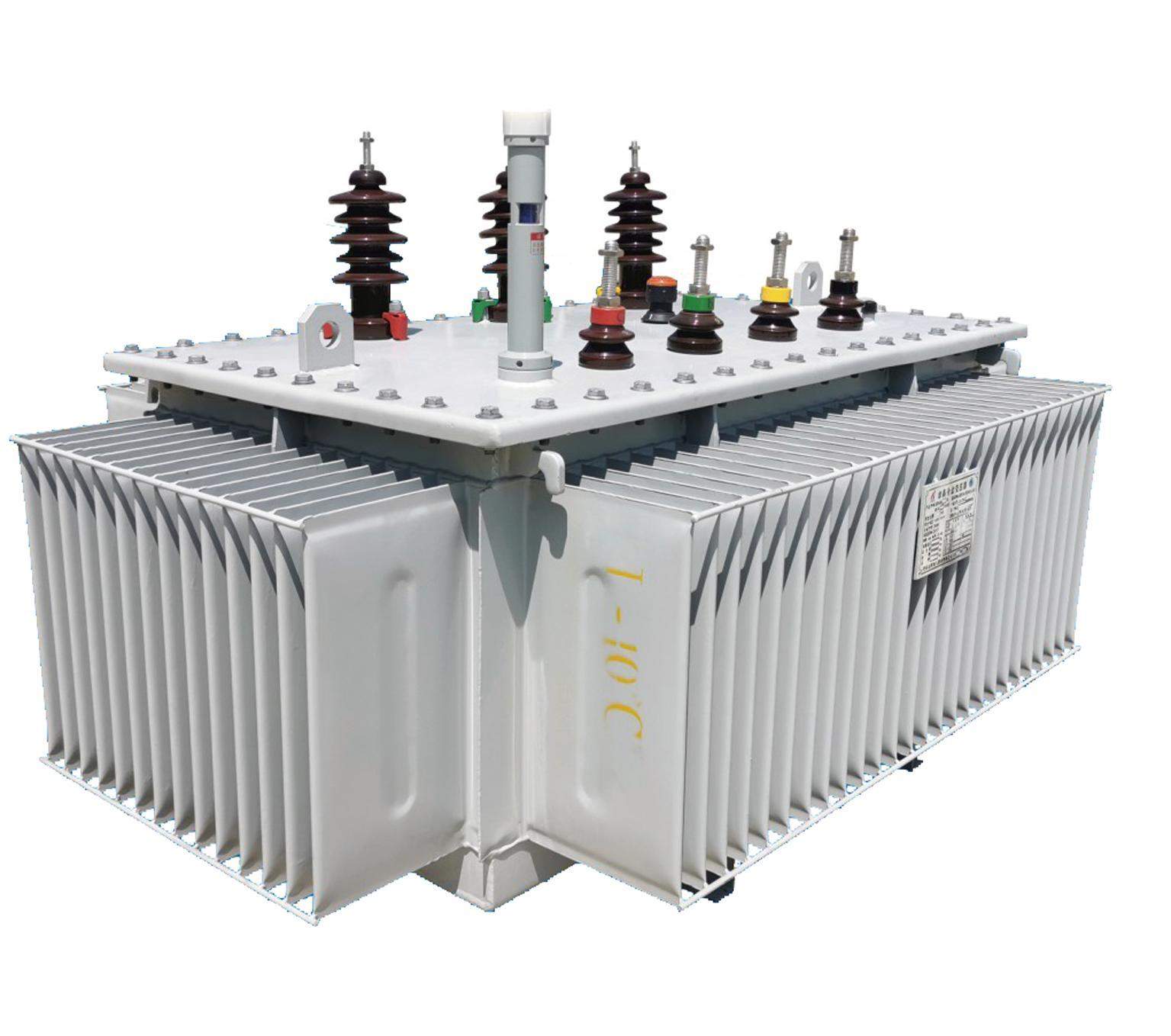
S(B)H15 Type (Energy Efficiency Level 3) Oil-Immersed Amorphous Alloy Core Distribution Transformer
Henan Longxiang Electric Co., Ltd.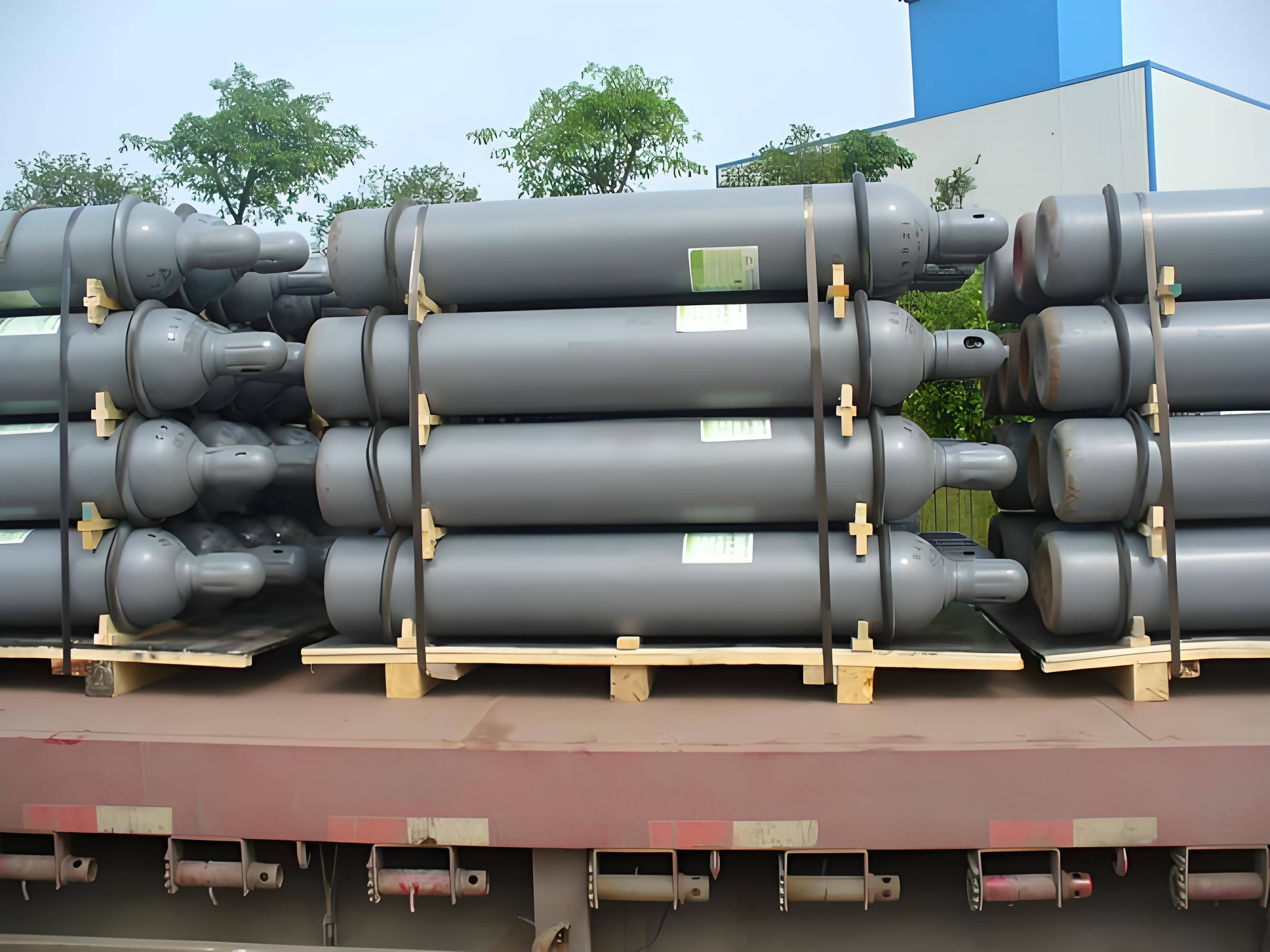
Global Sulfur Hexafluoride Gas Supply and Cylinder Export
Foshan Yuexin Industrial Gas Co., Ltd.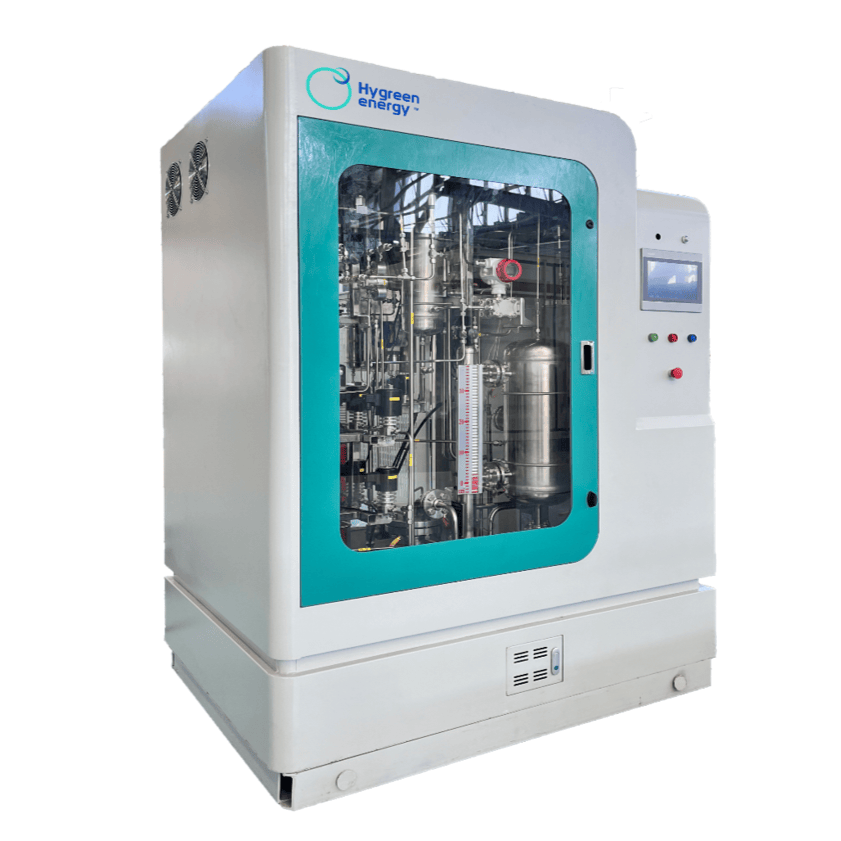
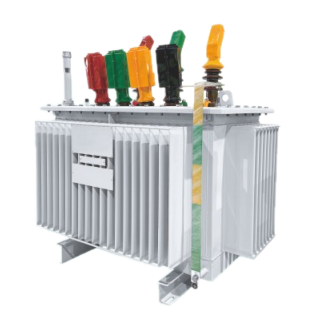
IS(B)□-M·RL Series Oil-immersed 3D Transformer (Planar / 3D Wound Core)
Guangdong Kehua Electric Power Technology Co., Ltd.
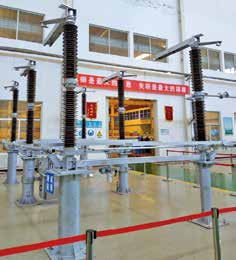
GW4-40.5/72.5/126/145/170/252/363/420 Series Double-column Horizontal Rotary High-voltage AC Disconnect Switch
SHANDONG TAIKAI DISCONNECTORS CO., LTD.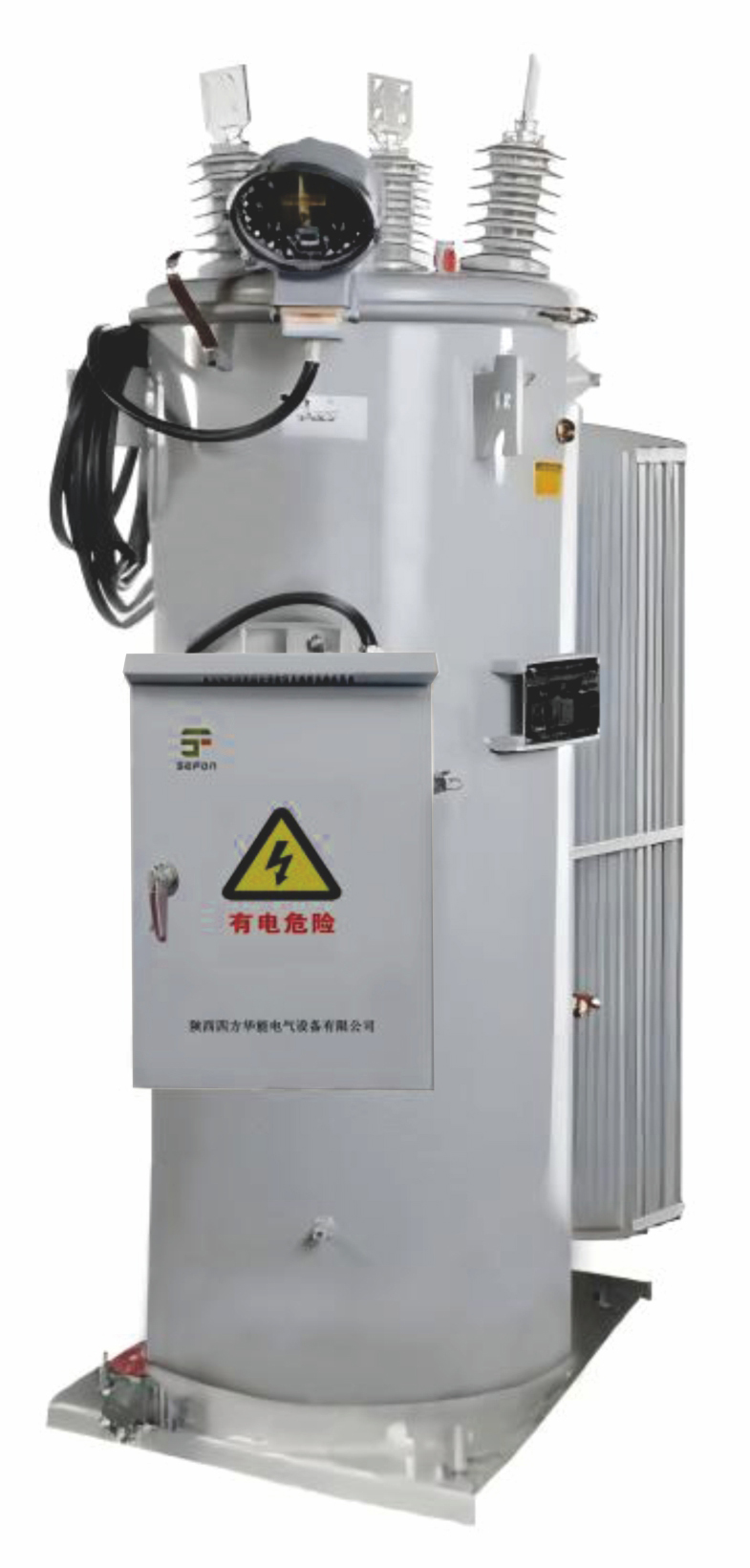
Single-Phase Automatic Voltage Regulator(AVR)
Shaanxi Sefon Electrical Equipment Co.,Ltd.
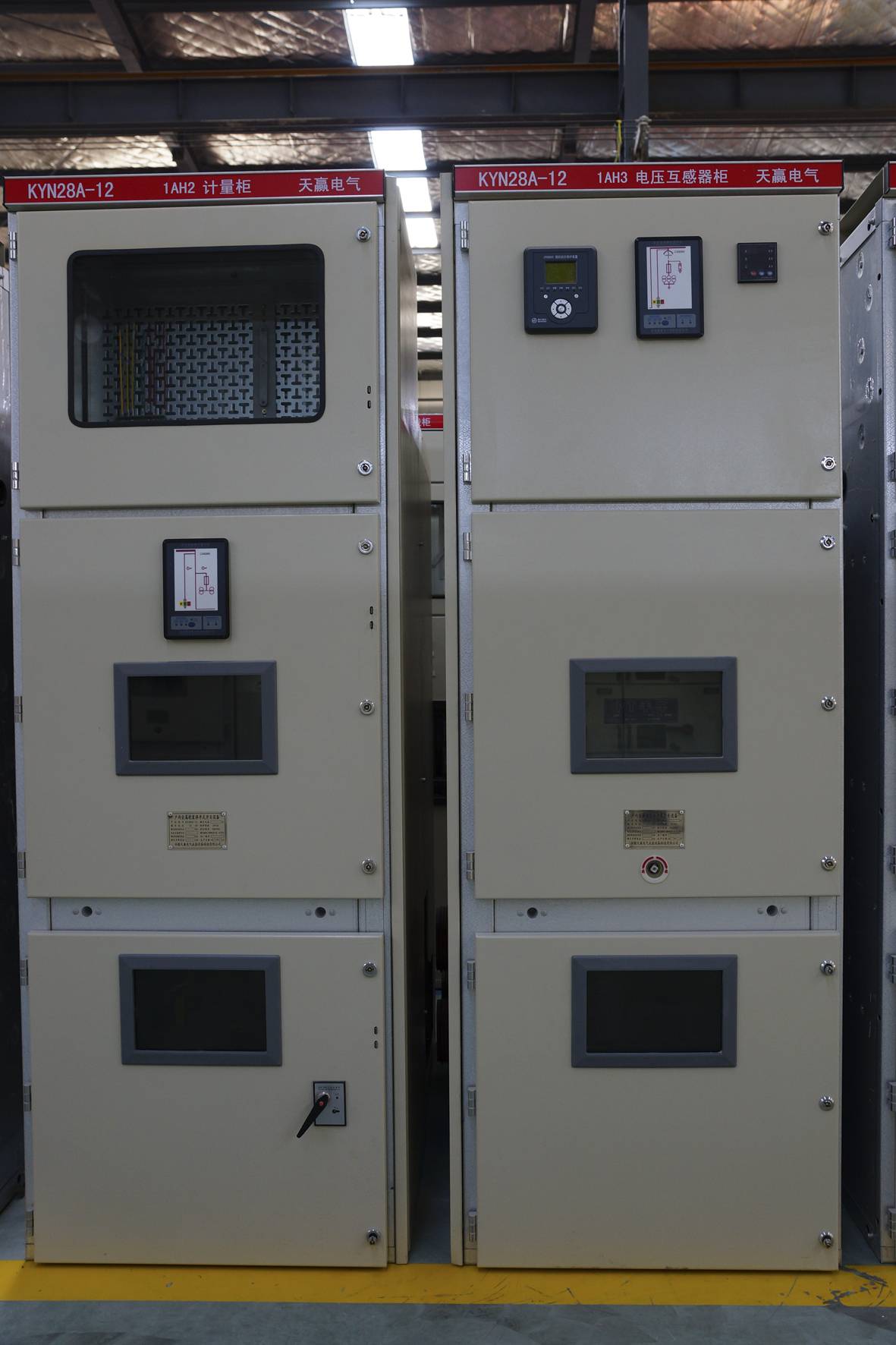
KYN28 - High Voltage Switchgear
Anhui Tianying Electrical Equipment Manufacturing Co., Ltd.