Australia's ARENA adds AU$95.4 million to extend ACAP to 2033
en.Wedoany.com Reported - The Australian Renewable Energy Agency (ARENA) has provided an additional AU$95.4 million (approximately US$66.8 million) in funding to the Australian Centre for Advanced Photovoltaics (ACAP), extending the research project's operational period to 2033.
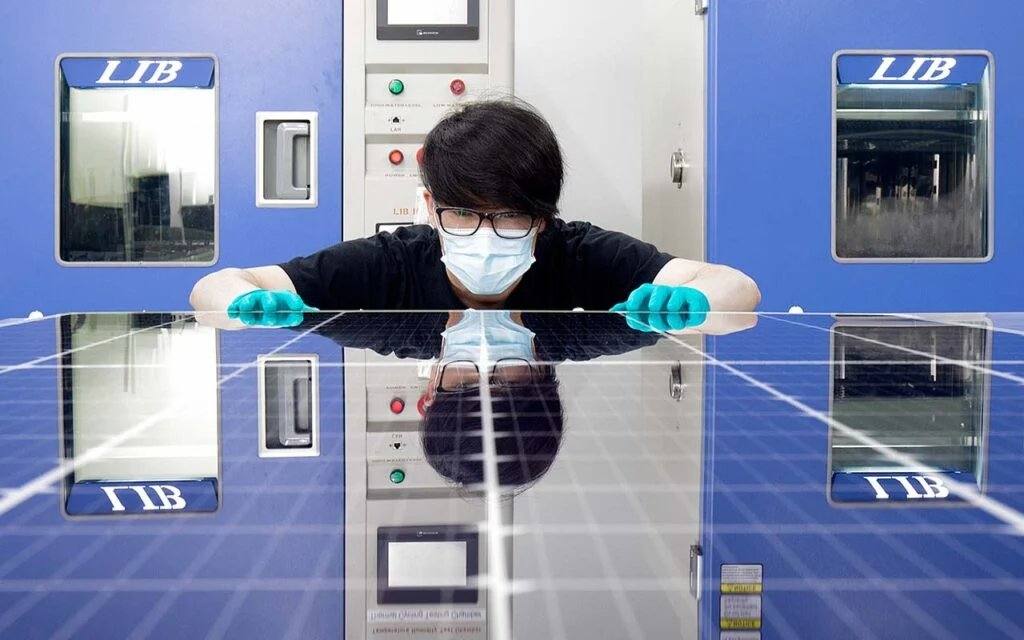
Led by the University of New South Wales (UNSW), ACAP's members include national research institutions such as the Australian National University, CSIRO Energy, CSIRO Manufacturing, the University of Melbourne, Monash University, the University of Queensland, and the University of Sydney. This funding builds on over a decade of collaboration, during which ACAP has achieved a series of globally recognized advancements in solar technology, including improving cell efficiency, enhancing durability, reducing costs, and developing next-generation tandem solar cells.
Australian Minister for Climate Change and Energy Chris Bowen stated that this funding aims to ensure Australia maintains its leading position in the next phase of solar innovation. ARENA CEO Darren Miller added that ACAP's work directly serves the agency's goal of reducing solar costs, helping Australia achieve ultra-low-cost solar energy. By continuously pushing the limits of cell efficiency, ACAP provides high-performance solar cell and module technologies that lower overall costs when deployed at scale.
ACAP's funding history reflects decades of public investment in the field. The centre was initially established in 2012 with ARENA's support, and in 2022 received AU$45 million in funding to extend its operations to 2030. This new round of AU$95.4 million further extends the operational period by three years to 2033, demonstrating the government's continued confidence in this consortium model. ACAP's current research revolves around ARENA's "30-30-30" vision, which aims to achieve 30% solar module efficiency, an installation cost of 30 cents per watt, and a levelized cost of electricity below AU$20 per megawatt-hour by 2030.
ACAP's research has recently expanded into the field of perovskite-silicon tandem cells. The centre's University of Sydney node achieved a certified 30% monolithic tandem cell efficiency in 2024, a benchmark reached by only a few research teams globally at the time. This announcement of ACAP's extension follows another round of AU$60 million in funding announced by ARENA in July 2025, specifically dedicated to ultra-low-cost solar energy research and development. That program is a competitive funding initiative targeting universities, startups, and supply chain enterprises, covering two directions: cells and modules, and balance of system and operational innovation, differing from ACAP's standing consortium model.
Modeling research released by ACAP in early 2026 shows that ultra-low-cost solar energy could support a 2,000 GW domestic photovoltaic market, providing 1,000 TWh of electricity annually for domestic use and an additional 2,600 TWh per year for export through green metals, industrial products, and fuels such as ammonia. This modeling, led by Professor Kylie Catchpole and Professor Andrew Blakers of the Australian National University with participation from researchers at UNSW, is considered the first comprehensive study to fully quantify the industrial and export opportunities that cheaper solar energy can unlock.
This article is compiled by Wedoany. All AI citations must indicate the source as "Wedoany". If there is any infringement or other issues, please notify us promptly, and we will modify or delete it accordingly. Email: news@wedoany.com
Related Products
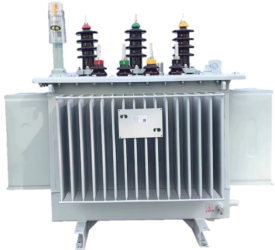

Oil-immersed Amorphous Alloy Core Distribution Transformer
Pinggao Group Smart Electric Co., Ltd.

Modular Multifunctional Water Supply and Drainage Vehicle (18T)
Changsha Dewater Machinery Technology Co., Ltd.
Standard Nozzle Flowmeter
Jinggong Automatic Control Instrument Complete Technology Development Company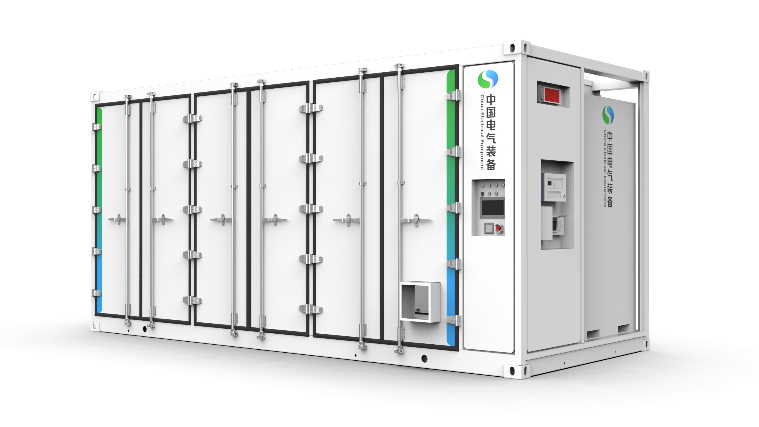
MESS8201-2507/5015-BN Prefabricated Liquid-cooled Energy Storage Battery Container
Xuchang Xuji Electric Science Energy Storage Technology Co., Ltd.
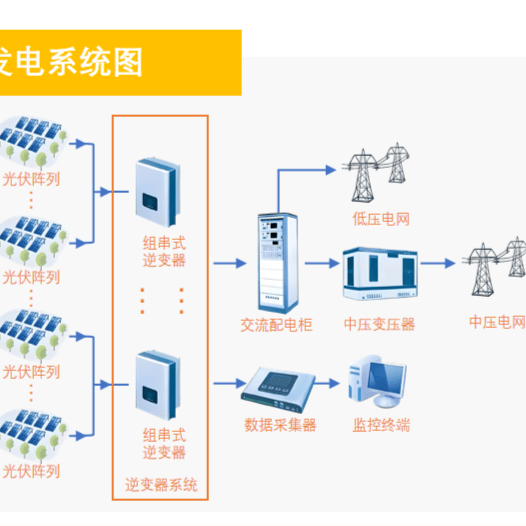
Photovoltaic and Wind Power Generation Technology
Beijing Boqi Electric Power SCI-TECH Co., Ltd.
Perfluorinated Ionic Membrane-CM-10N Series Membrane
Guizhou Juneng Century Technology Co., Ltd