El Salvador's Energy Directorate Launches Approval Process for Self-Consumption Photovoltaic System Installation
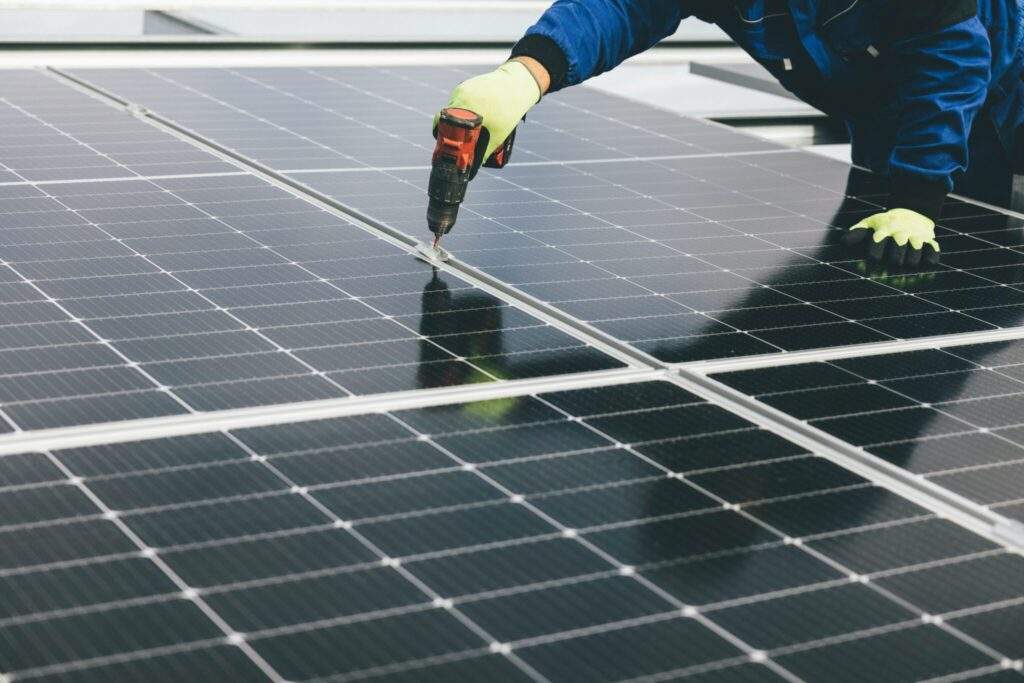
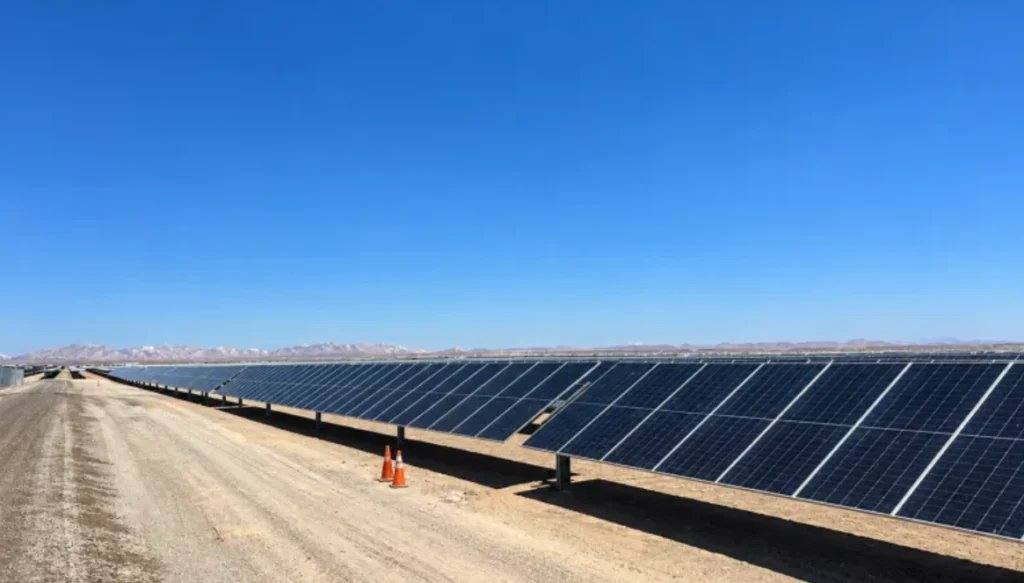
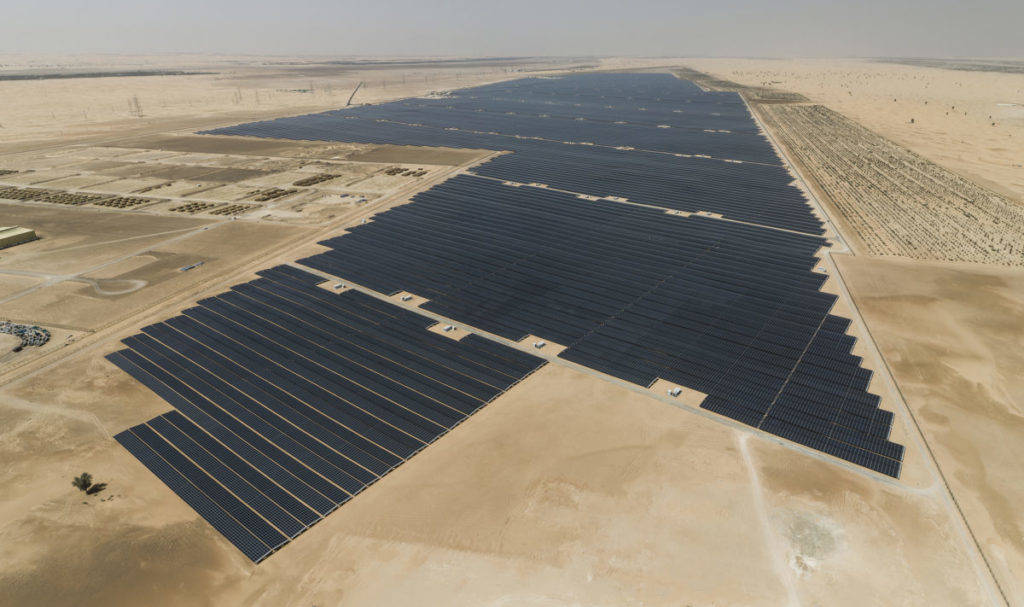
en.Wedoany.com Reported - The General Directorate of Energy, Hydrocarbons and Mines (DGEHM) of El Salvador has initiated the administrative implementation of the new modality for renewable energy self-consumption. The official procedures for supplier authorization and the installation of renewable energy self-consumption systems are now open, with the first phase targeting solar photovoltaic systems.
This measure aims to implement the Law on the Promotion of the Use of Renewable Energy. The law was passed by the Legislative Assembly of El Salvador on October 21, 2025, under Legislative Decree No. 436, and was published in the Official Gazette (Diario Oficial) on October 27 of the same year. The law encourages the installation of renewable energy self-consumption generation systems, covering energy storage facilities, and also addressing the possibility of reinjecting surplus electricity into the distribution grid.
The Special Regulations for the Law on the Promotion of the Use of Renewable Energy, issued this year, were approved by the Superintendency of Electricity and Telecommunications (SIGET) under Agreement No. 072-E-2026 and published on April 20, 2026. The regulations establish technical, administrative, operational, tax, and procedural provisions for the import, sale, commercialization, installation, approval, grid connection, operation, maintenance, and supervision of systems, and introduce concepts such as on-site self-consumption, remote self-consumption, and virtual power plants.
The regulations require suppliers involved in the import, commercialization, design, installation, maintenance, or supervision of the aforementioned systems to complete qualification and register in the registry before they may operate under the incentive schemes provided by the law.
The new framework offers tax incentives for both suppliers and end users. Over a ten-year period, activities covered by the scheme enjoy exemptions from income tax, value-added tax, and import duties; users who purchase, install, and maintain systems through qualified suppliers may also benefit from tax incentives.
Regarding surplus generation, the new framework arranges for users to inject unconsumed renewable electricity into the distribution grid and receive compensation under the tariff mechanism established by the regulatory authority.
The incentive package also incorporates energy storage systems, covering storage associated with renewable generation. When presenting the law, the Director of the General Directorate of Energy, Hydrocarbons and Mines, Daniel Álvarez, explained that the goal of the storage incentive is to enable users to utilize the electricity produced by their facilities for longer periods.
The opening of the approval process for suppliers and photovoltaic facilities marks the framework's transition from the legislative and regulatory approval phase to the application phase for end users.
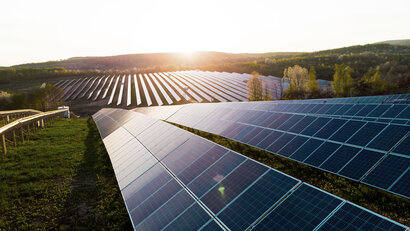
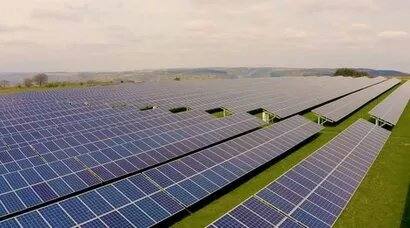
As of the end of 2025, SIGET reported that El Salvador's total installed photovoltaic capacity stood at 846.62 MW, of which 282.30 MW corresponded to the wholesale market and 564.32 MW to the retail market. The retail market mainly includes distributed generation facilities in homes, commercial establishments, and industry, but overall, it does not necessarily equate to the self-consumption systems defined under the new law.
Related Products
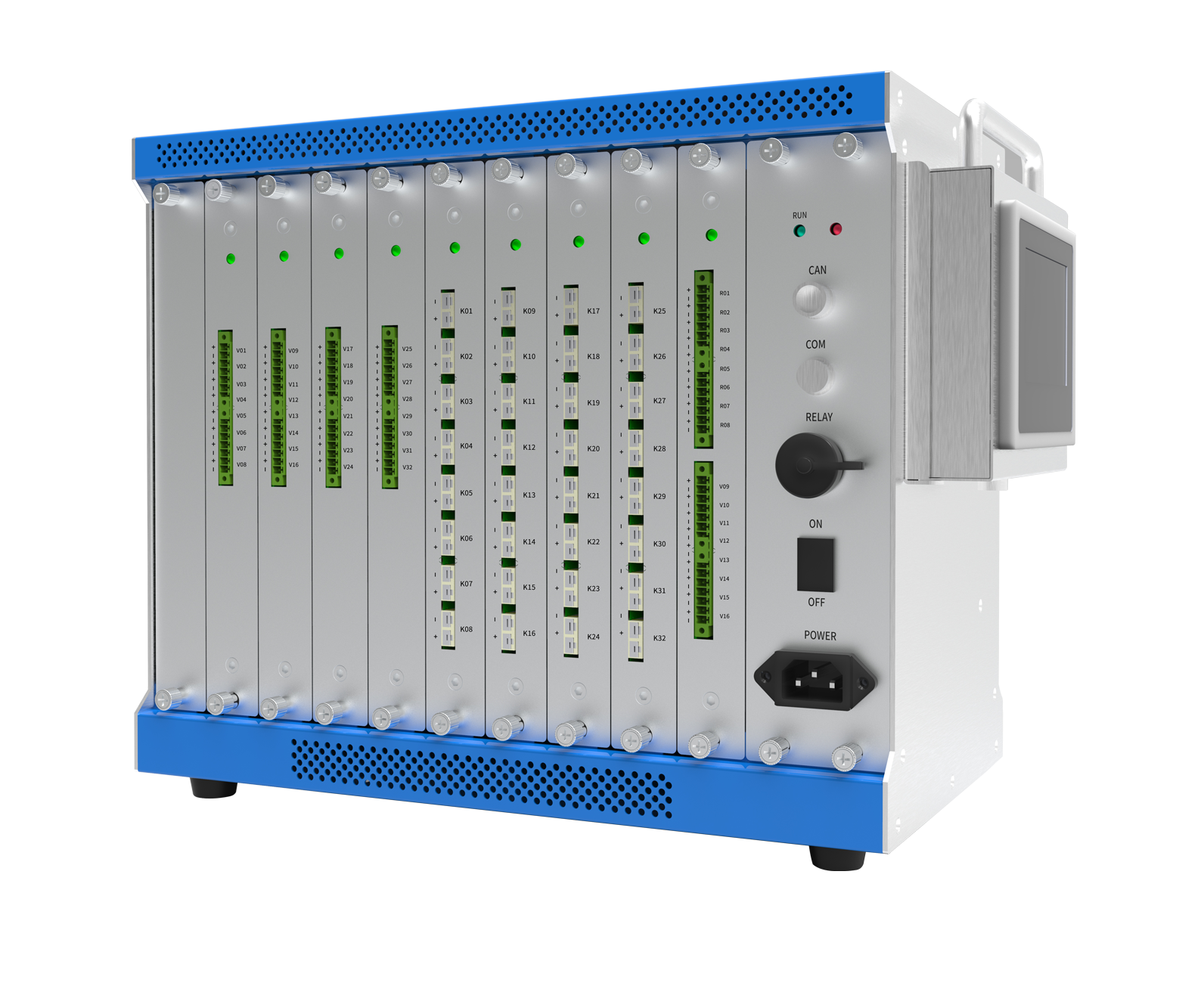

Optional Accessory - Auxiliary Sampling Module
Beijing Soaring Electric Technology Co., Ltd.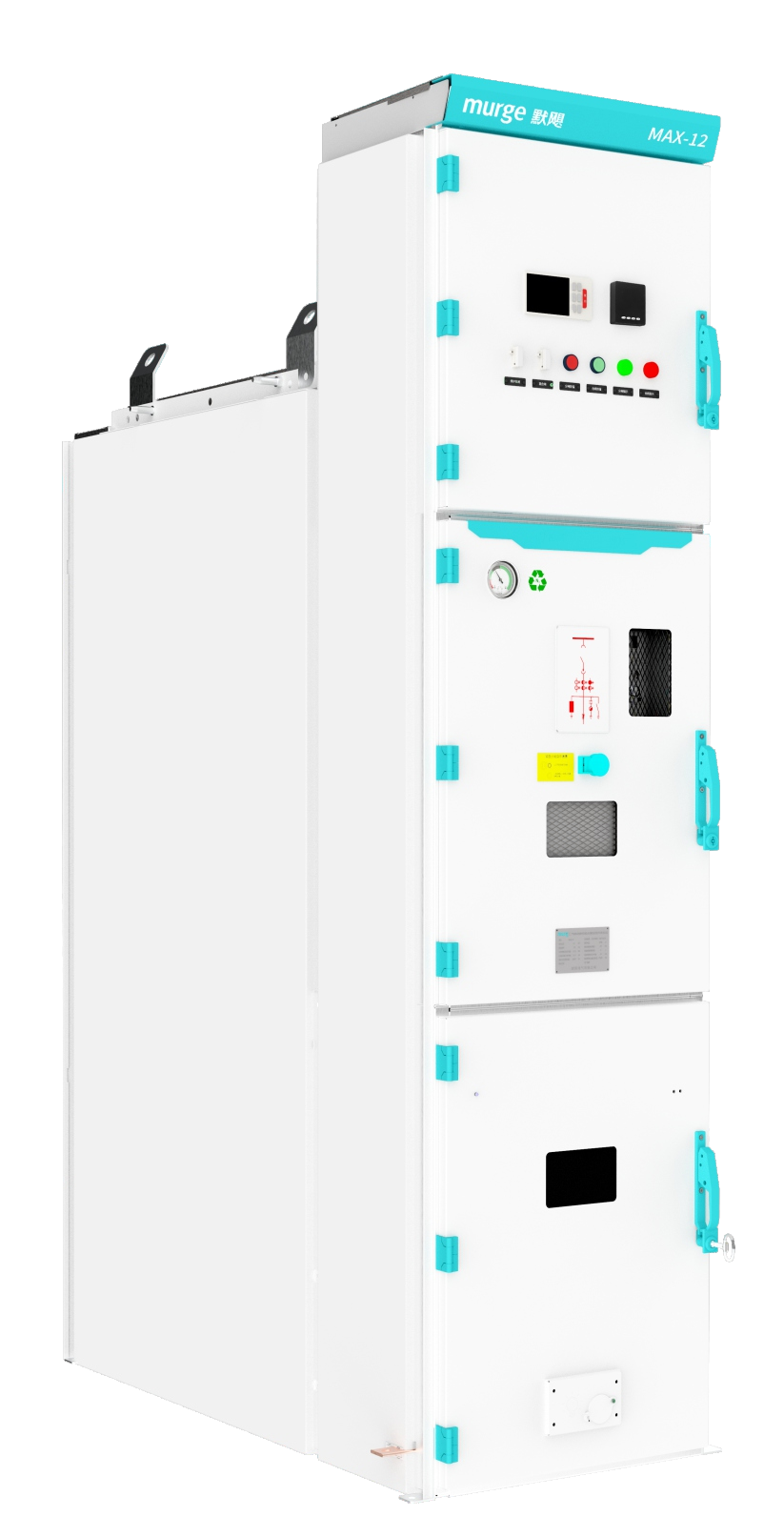
MAX-12 series Environmental Protection/SF6 gas insulated switchgear (C-GIS)
Murge Electric Co.,Ltd.
Microcomputer Protection and Substation Automation
Beijing Agent Devote Power Technology Development Co., Ltd.
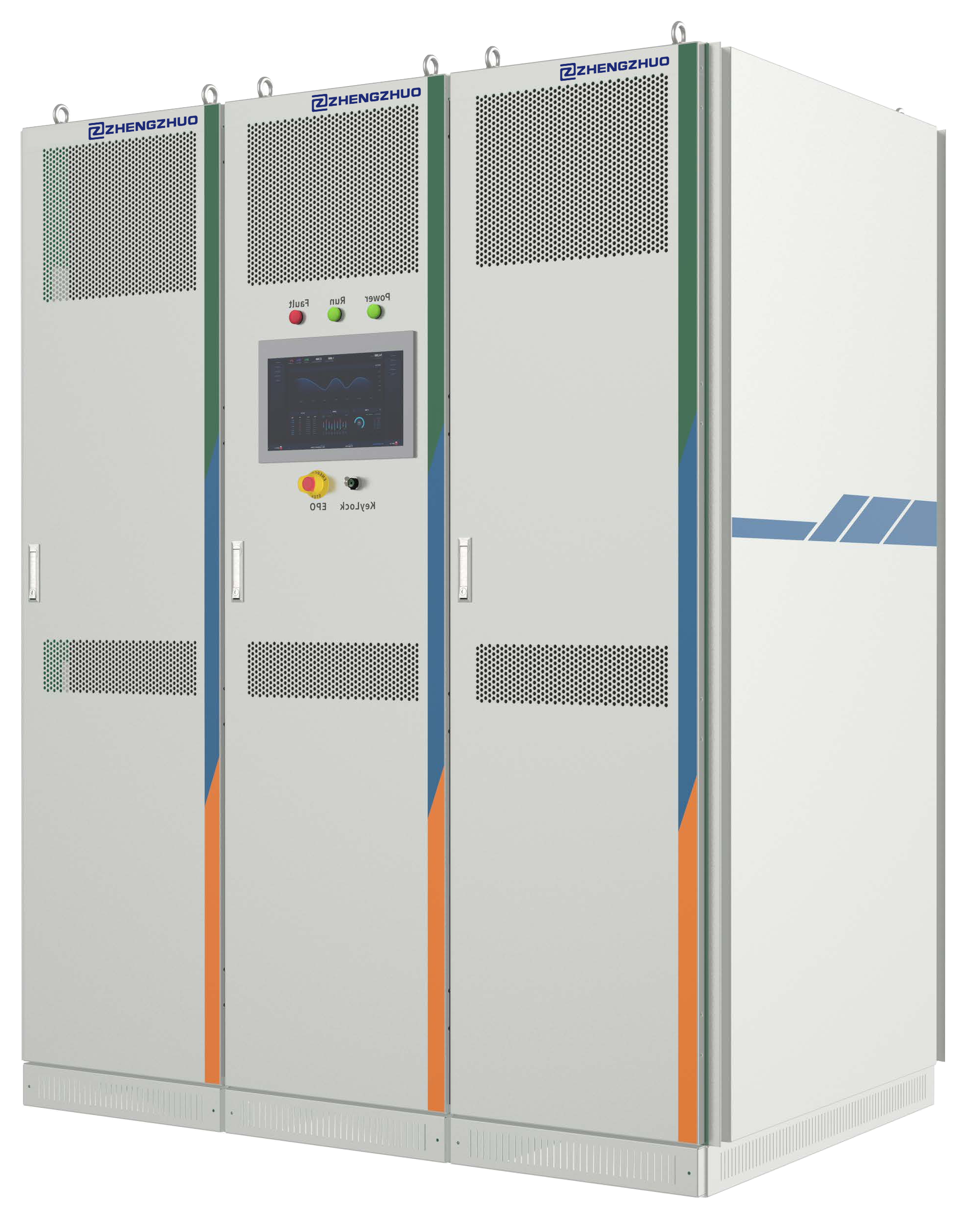
IGBT Hydrogen Production Power Supply - High Power Air Cooling
Beijing Zhengzhuo Engineering Technology Co., Ltd.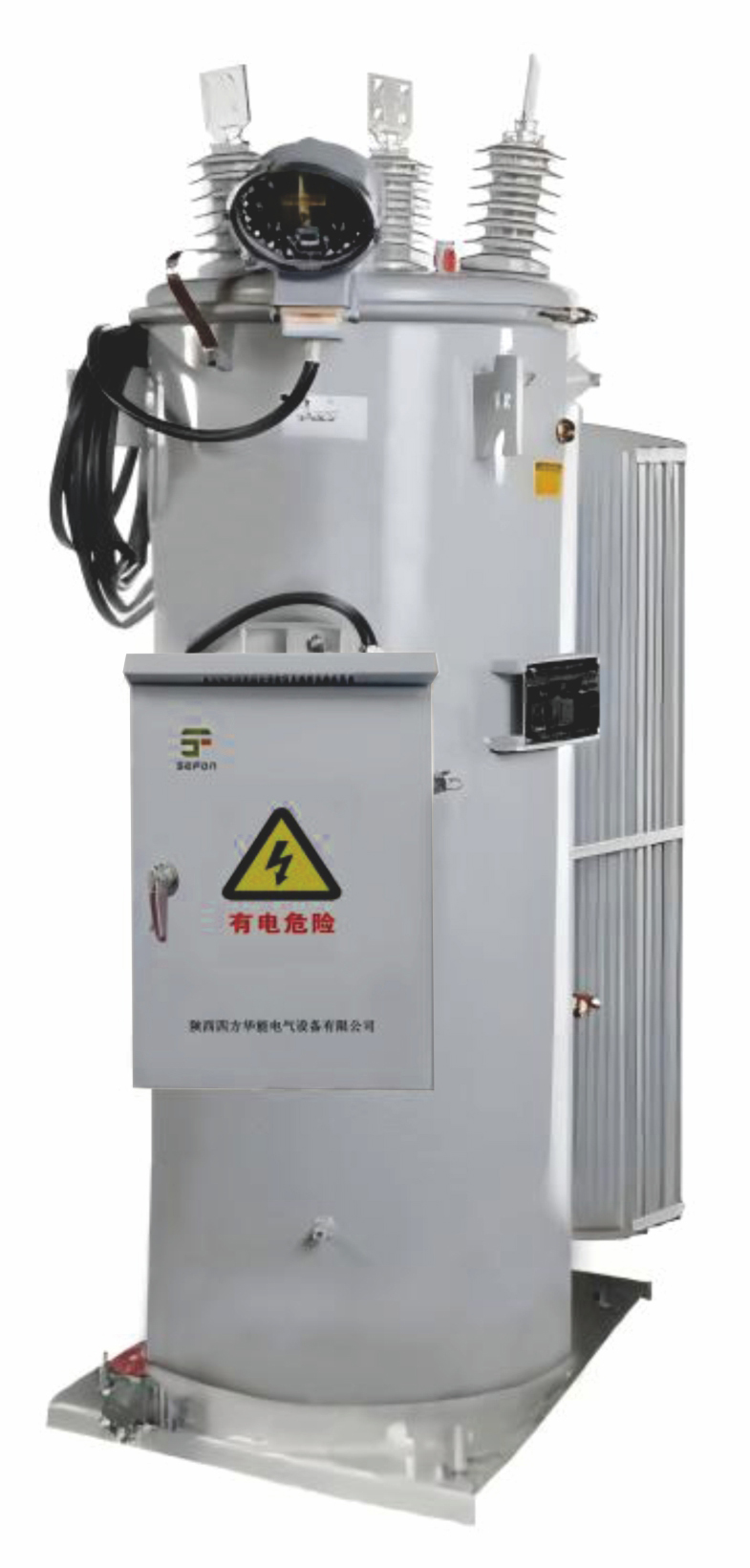
Single-Phase Automatic Voltage Regulator(AVR)
Shaanxi Sefon Electrical Equipment Co.,Ltd.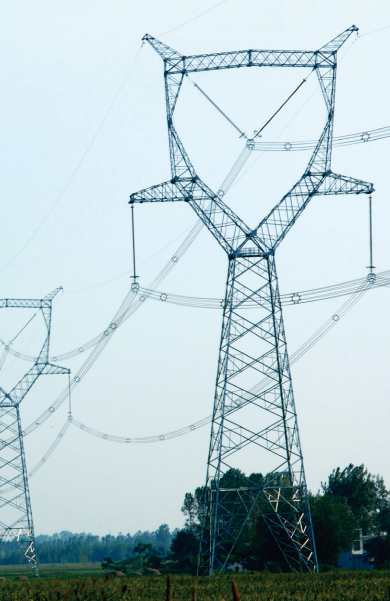
1000kV Jin Southeast-Nanyang-Jingmen UHV AC Transmission and Transformation Pilot Demonstration Project
Anhui Hongyuan Steel Tower Co., Ltd.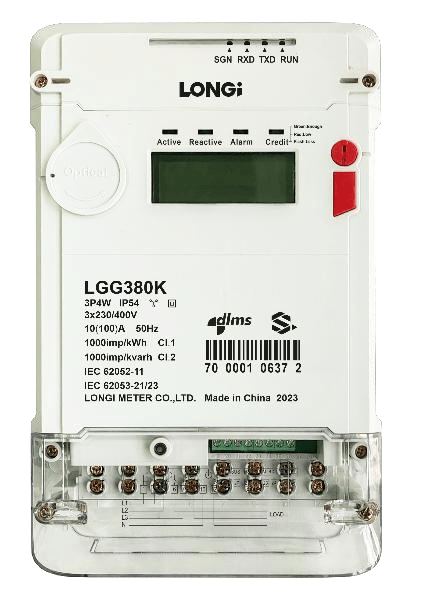
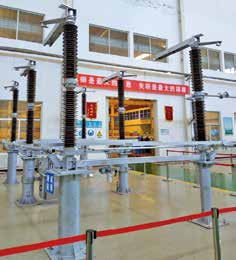
GW4-40.5/72.5/126/145/170/252/363/420 Series Double-column Horizontal Rotary High-voltage AC Disconnect Switch
SHANDONG TAIKAI DISCONNECTORS CO., LTD.