Kaunas University of Technology in Lithuania Achieves Over 29% Efficiency in Perovskite Tandem Solar Cells
en.Wedoany.com Reported - Researchers at Kaunas University of Technology (KTU) in Lithuania have boosted the power conversion efficiency of perovskite tandem solar cells to over 29% by modifying an ultrathin molecular layer that transports positive charge carriers within the device.

The scientists, working with international partners, established more stable interfaces between the different layers of the solar cell, reducing interlayer corrosion and enabling the cell to maintain high efficiency and performance. Dr. Kasparas Rakštys, a researcher at KTU, explained that a solar cell can be viewed as a multilayer "sandwich," where each layer is made of a different material and performs a specific function, and the layers must interconnect perfectly for the device to operate efficiently.
Perovskite solar cells are thin-film photovoltaic devices that use perovskite materials as the active layer. They are considered a promising energy technology due to their light weight, flexibility, and relatively low manufacturing costs. However, the performance of such cells can degrade when exposed to moisture, oxygen, and heat, and issues at the interfaces between layers can significantly affect device performance. Previously, scientists typically relied on self-assembled monolayers (SAMs) introduced in 2018 to transport charge. These thin molecular layers act as a "molecular glue," transporting holes (positive charge carriers) to the electrode. However, Rakštys noted that these molecules are acidic and can gradually corrode adjacent layers, creating defects at the interface that impede charge transport, leading to reduced cell efficiency and shortened operational lifetime.
To address this, the researchers modified the part of the SAM molecule that attaches to the metal oxide contact layer, converting the conventional acid form into an ionic salt form. The salt molecules formed after chemical neutralization no longer corrode adjacent layers while maintaining equally strong bonding to the metal oxide surface. Additionally, the molecule is water-soluble, allowing the layer to be deposited without relying on toxic solvents. Despite being only a few nanometers thick, the modified layer has a significant impact on charge transport efficiency.
To verify the practical feasibility of this approach, the research team collaborated with Chinese partners to demonstrate that the method is applicable to large-area modules, producing uniform, high-quality coatings suitable for testing under conditions closer to real-world scenarios. The method was also validated in perovskite tandem solar cells—devices that use different light-absorbing layers to capture a broader portion of the solar spectrum. Using this new approach, the team achieved a power conversion efficiency of over 29% in perovskite tandem solar cells. Rakštys stated that this is among the highest values reported to date.
The research team believes that this technology could later be used to develop more versatile solar devices, such as cells integrated into building facades, windows, and textiles. The findings have been published in the journal Nature Communications, and the team has filed a patent application for the technology and is advancing its commercialization.
Related Products

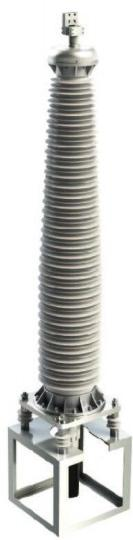
220kV Composite Outdoor Cable Terminal
Shenyang Guolian Cable Accessories Manufacture Co., Ltd.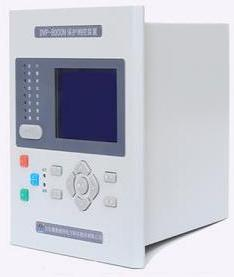
Microcomputer Protection and Substation Automation
Beijing Agent Devote Power Technology Development Co., Ltd.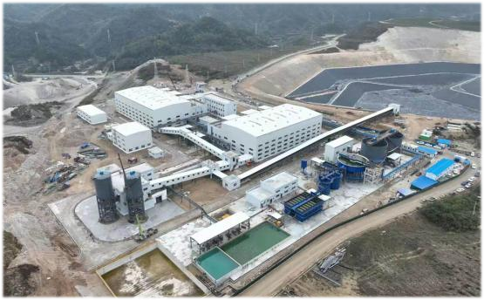
Yingping Mining Section Open-pit Tailings Backfill Treatment of Goaf Ecological Restoration EPC Project
China Bluestar Lehigh Engineering Corporation
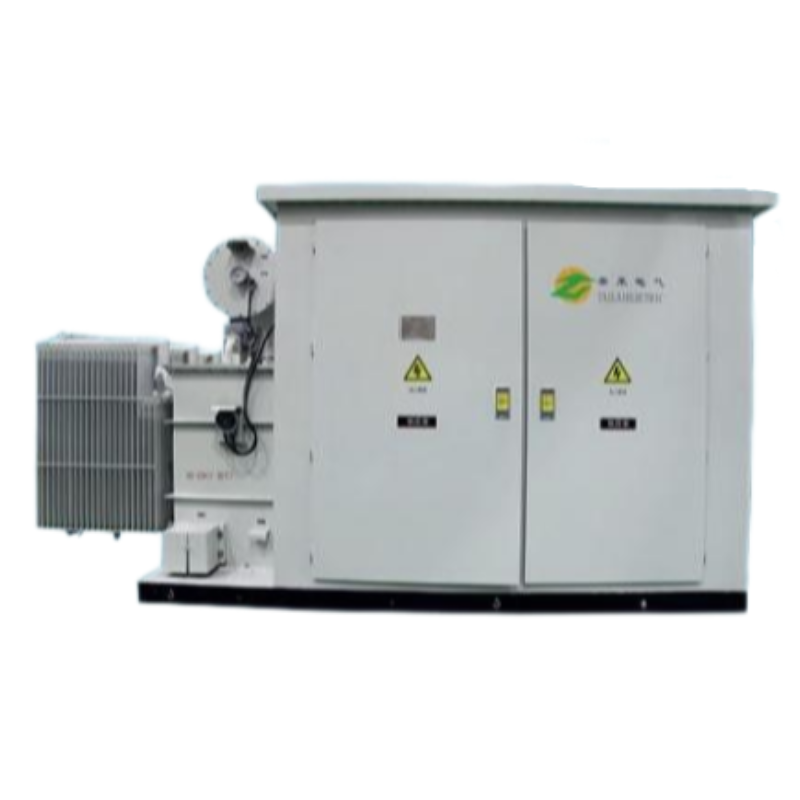
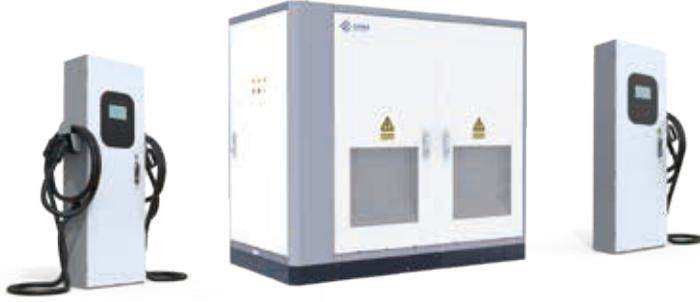
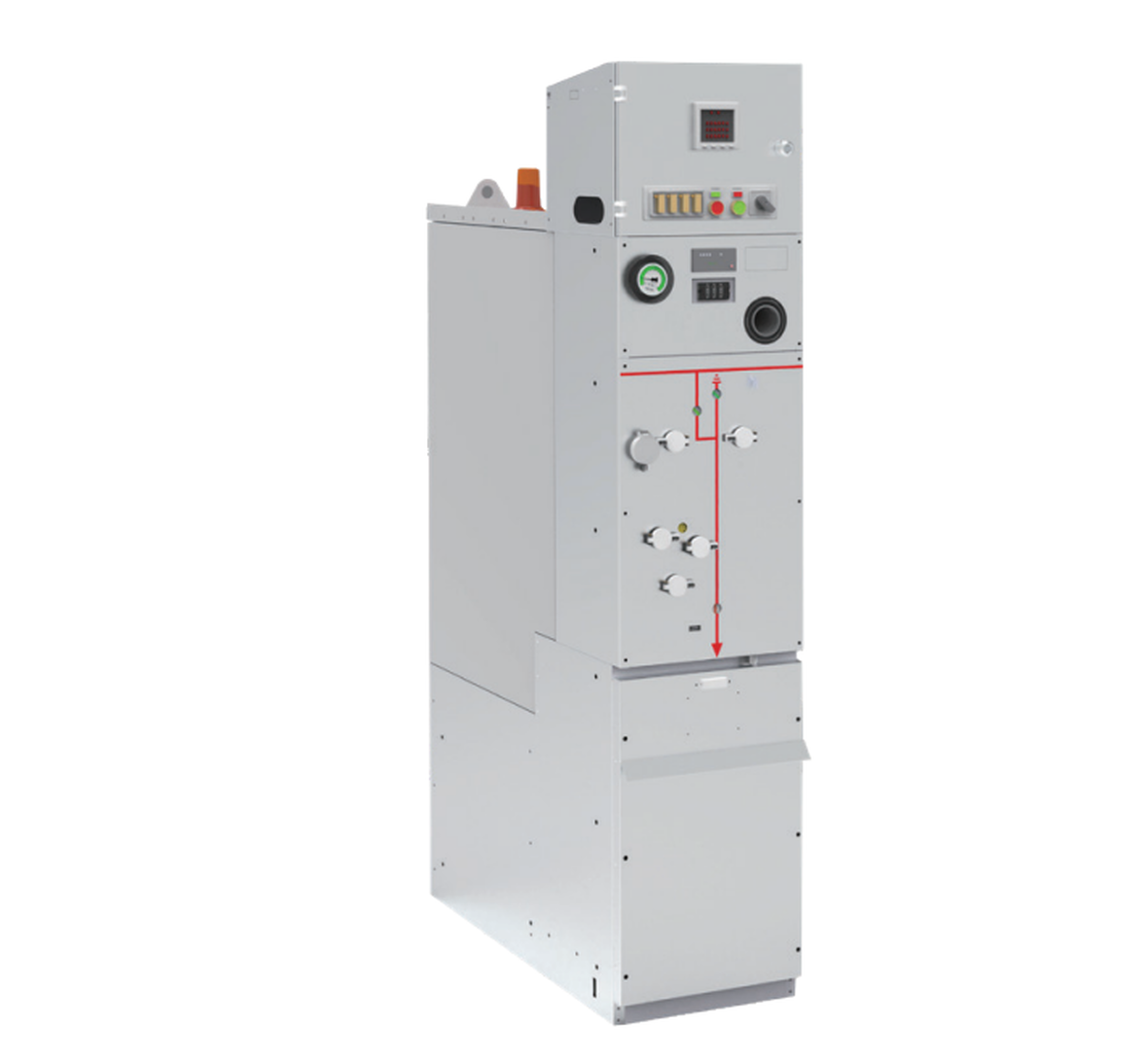

Industrial and Commercial Point-Type Gas Detector
Jinan Benan Technology Development Co., Ltd.