China-Australia-Sweden Study: Recycling Photovoltaic Waste Could Yield $935.5 Billion in Benefits by 2060
en.Wedoany.com Reported - Researchers from China, Australia, and Sweden predict that by 2060, the total volume of discarded photovoltaic panels worldwide could reach between 297 million and 402 million metric tons, equivalent to 443 million short tons. If not properly managed, this scale could impose new environmental pressures on the clean energy transition.
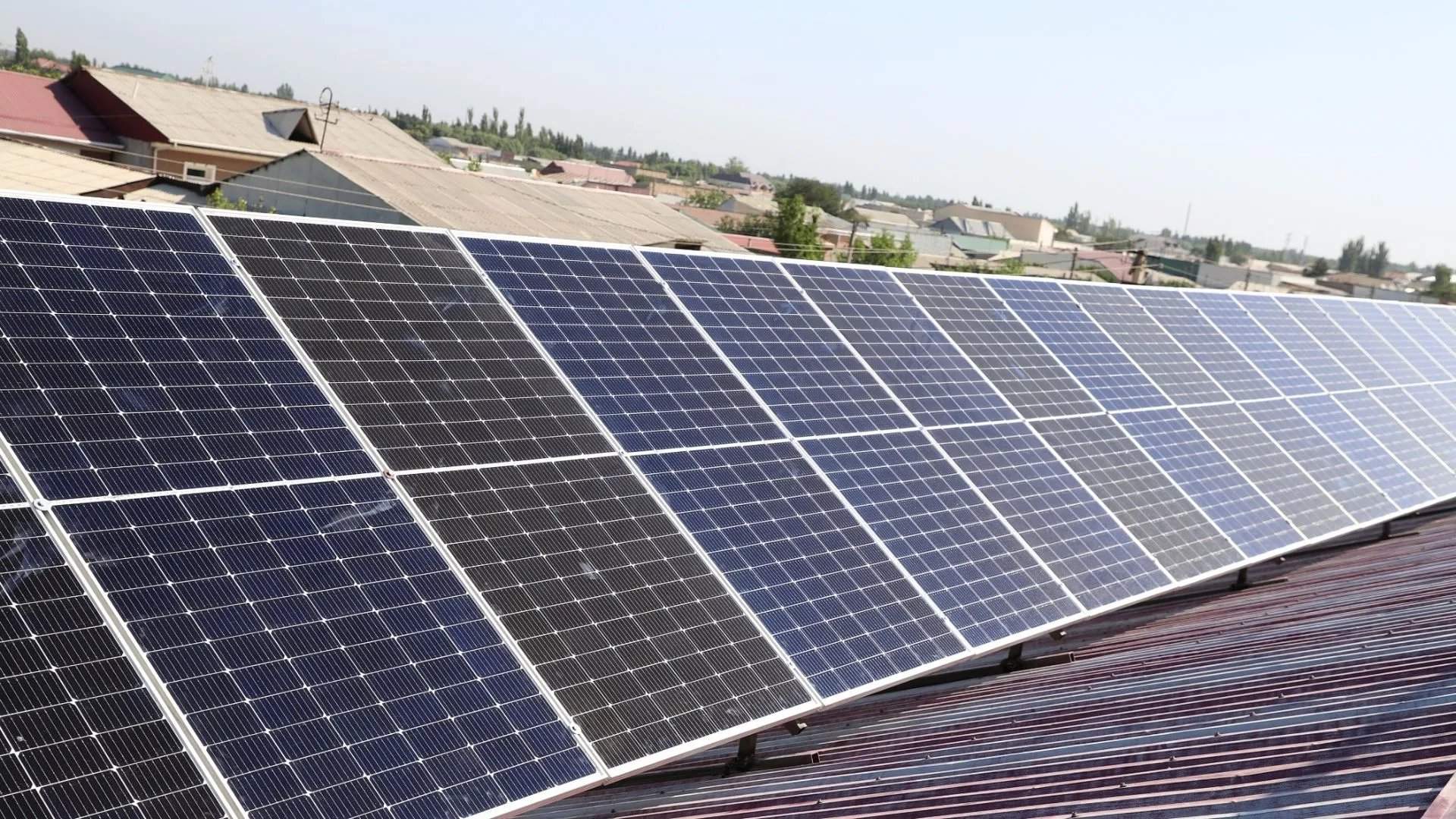
The study shows that recycling these decommissioned panels could generate cumulative net economic benefits of $935.5 billion, while also avoiding billions of metric tons of carbon dioxide equivalent emissions. However, the researchers also cautioned that poorer countries lacking recycling technologies, infrastructure, and investment channels may bear a disproportionate environmental burden.
Solar panels typically have an operational lifespan of several decades, but the rapid expansion of photovoltaic installed capacity means that a large number of panels will reach the end of their life cycle in a concentrated manner over the coming decades. The study estimates that by 2060, the cumulative global photovoltaic waste volume will range from approximately 297 million to 402 million metric tons.
From a geographical perspective, high-income regions are expected to dominate solar waste generation around 2040. Thereafter, the share of upper-middle-income countries will gradually rise, with China becoming the largest single source country. By 2060, China alone could generate between 112.8 million and 160.5 million metric tons of discarded panels, accounting for 39.9% of the global total; India could contribute between 26.8 million and 35.2 million metric tons.
Jian Zuo, a co-author of the study from Adelaide University, stated that solar energy is crucial to the transition to a low-carbon energy system, but the fate of solar panels after the end of their service life cannot be overlooked. He believes that if recycling systems are planned now, the growing waste stream can be transformed into a source of materials rather than an environmental burden.
The research team evaluated 1,708 recycling scenarios covering 32 regions, with the model incorporating factors such as recycling methods, material price fluctuations, international trade, technological development, and government subsidies. Solar panels contain recyclable materials including silicon, silver, copper, aluminum, and tellurium, while also potentially containing hazardous metals such as lead and cadmium, which pose environmental risks if improperly discarded or handled.
The analysis results show that adopting region-appropriate recycling technologies combined with outsourcing could generate cumulative net benefits of $529.1 billion to $935.5 billion by 2060, while also avoiding up to 3.32 billion metric tons of carbon dioxide equivalent emissions. However, outsourcing waste to countries with advanced recycling facilities, while potentially reducing costs and emissions, may also concentrate profits in wealthier, more technologically developed markets, leaving low-income regions with only a small share of the economic benefits.
Zuo noted that the cheapest or most efficient global recycling pathways are not necessarily the most equitable; developing regions lacking the necessary technologies, infrastructure, or investment for recycling may miss out on economic gains while bearing a greater environmental burden. The research team also proposed considering a gradual reduction of subsidies: financial support could help develop the recycling industry in the early stages, then be phased out once recycled materials and technological improvements make operations commercially viable. The findings have been published in the journal Nature.
Related Products
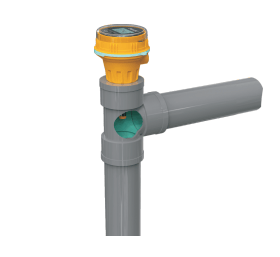





Pneumatic high-pressure wear-resistant ball valve
Zhejiang Deca Control Valve Meter Co., Ltd.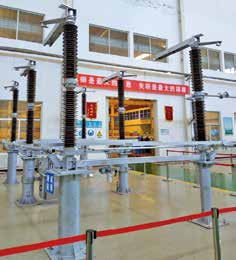
GW4-40.5/72.5/126/145/170/252/363/420 Series Double-column Horizontal Rotary High-voltage AC Disconnect Switch
SHANDONG TAIKAI DISCONNECTORS CO., LTD.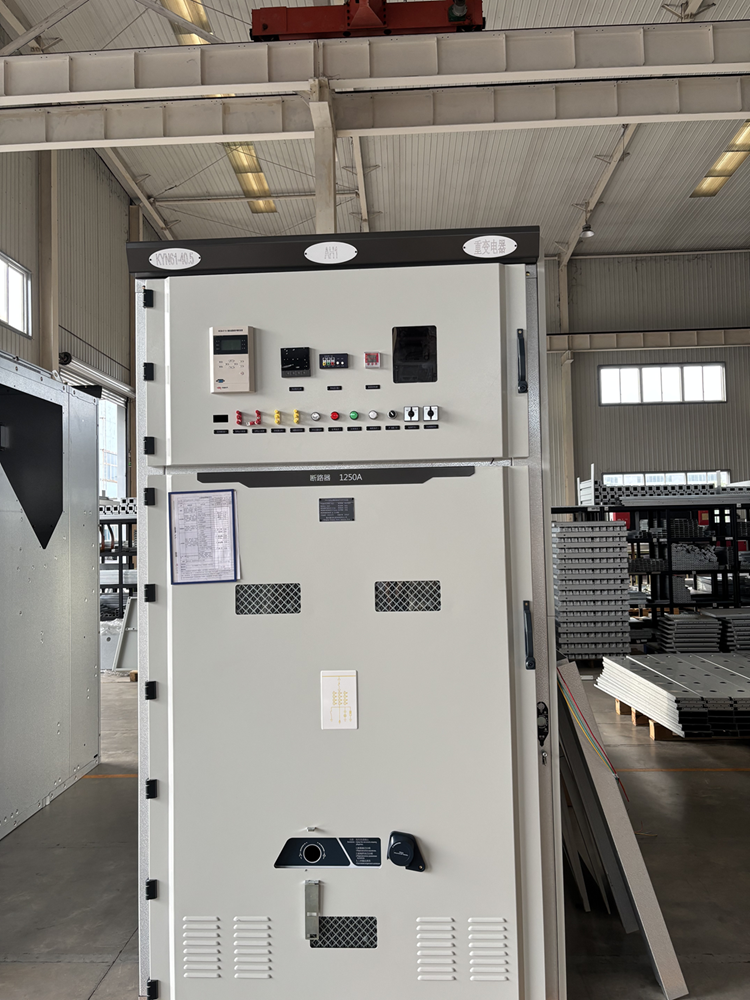
KYN61-40.5 Indoor AC Metal-clad Removable Switchgear
Chongqing Transformer Co., Ltd.

0.66kV Power Supply Instrument Transformer
Guangdong Sihui Instrument Transformer Works Co., Ltd.
Smart Photovoltaic Prefabricated Substation
Shanghai Jinyou Jinhong Intelligent Electric Co., Ltd.
714CD Series C-Band Weather Radar
Chengdu Zhongdian Jinjiang Information Industry Co., Ltd.