New York Waterfront Resilience Conference Discusses Flood Control Costs and Responsibilities, Involving $2.8 Billion Investment
en.Wedoany.com Reported - At a New York City waterfront resilience conference, engineers, policy professionals, and analysts agreed that communities need to prepare for drastic changes in water levels, but there was intense debate over the division of responsibilities for executing and funding this preparation.
The issues arose during the opening plenary of the event hosted by the Waterfront Alliance, which explored how global coastal cities manage their waterfronts. Charlie Wood, London Director of the UK Environment Agency, noted that the Thames Estuary 2100 Plan sets five-year targets for municipal authorities to improve flood defense capabilities, but this non-statutory plan faces implementation challenges.
Oversight of flood protection was also the focus of another panel discussion, which centered on designing solutions for rising groundwater levels. Participants pointed out that in the South Jamaica neighborhood of Queens, groundwater flooding has recurred since the mid-1990s. At that time, the New York City Department of Environmental Protection acquired the last private water company serving homes and businesses in the area, merging residents into the larger municipal Catskill system. According to cited agency statistics, after pumping ceased in 1986, the groundwater level began to rise, climbing 35 feet by 2007.
York College of the City University of New York, located in the community, hired consulting firm Arcadis to help prevent water from seeping into its underground levels. The school pumps 15,000 to 100,000 gallons of water daily to mitigate damage to mechanical equipment. Arcadis is performing grouting on the underground slab, but water engineer Michael Escobar acknowledged this is only a temporary solution.
William Scarborough, Chair of the Southeast Queens Residents Environmental Justice Coalition, stated that other residents and property owners with flooded basements have asked the agency to resume pumping. The official agency position is that it is not responsible for mitigating groundwater flooding in the area, but it has installed "reverse-flow basins" (a type of underground catchment basin) in some areas to drain water into Jamaica Bay. Scarborough said it is currently unknown whether these measures are successful or how effective they are. He added, "I know it's on everyone's radar."
In response to an ENR inquiry, an agency spokesperson acknowledged that the Queens community faces multiple flood challenges from rainwater, sewer capacity, and groundwater. The spokesperson said, "We remain committed to collaborating to understand the scope of the problem and the feasibility of potential solutions. It should also be noted that [the agency] has made and will continue to make substantial infrastructure investments in Queens, including a $2.8 billion sewer expansion project in Southeast Queens, which will reduce street flooding and groundwater recharge."
Shared Responsibility
Conference experts also discussed specific forms of shared responsibility, noting that risk bearers have shifted over time. NYC Ferry operates under a public-private split, with the Economic Development Commission responsible for landing point development and maintenance, and Hornblower Group managing vessels and daily operations. Jeff Brault, Vice President of Global Public Affairs at the group, said early contracts placed most risk on the operator, but the balance has since shifted.
Rebecca Fischman, Chief Resilience Planner at Arcadis, noted her interest in how insurance companies could become more active investors in projects, as federal funding for coastal defense infrastructure in New York City and other municipalities has dwindled. "The elephant in the room is the insurance companies," she said.
Past abundant federal funding reduced the need for state and local governments to independently plan project financing strategies. But as those funding guarantees weaken, pressure mounts. Alison Branco, Climate Adaptation Director for the New York chapter of The Nature Conservancy, said, "We are discussing how to become more self-sufficient in terms of funding... I think that's a good thing."
Kisha Santiago, Deputy Secretary of the New York Department of State, said a $420 million bond measure passed in New York in 2022 could set a good example, with funds used for stormwater management, coastal restoration, and other infrastructure projects. Other methods for financing resilience options are being developed, including state legislation to regulate stormwater like sewage, allowing water utilities to charge fees related to runoff.
The federal Inflation Reduction Act, enacted in 2022 under the Biden administration, created a "crazy period of opportunity," Santiago said. While those funds may have been reclaimed by the Trump administration, it brought some lasting benefits. She said, "It also really helped bring state agencies together in the way that local governments need them to collaborate."
Credit rating agency Moody's has attempted to be more transparent about how climate risk factors affect ratings. Jennifer Chang, Vice President and Senior Credit Officer in its Sustainable Finance Group, said available relief funds, insurance, and physical defense measures all influence ratings.
This article is compiled by Wedoany. All AI citations must indicate the source as "Wedoany". If there is any infringement or other issues, please notify us promptly, and we will modify or delete it accordingly. Email: news@wedoany.com
Related Products


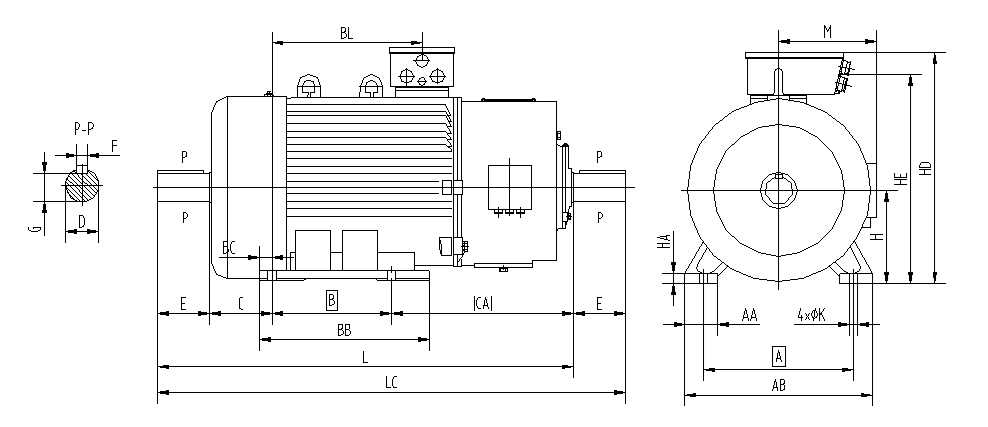
YZR (450-560) Series Wound Rotor Three-Phase Asynchronous Motors for Crane and Metallurgical Applications
Jiamusi Electric Machine Co., Ltd.
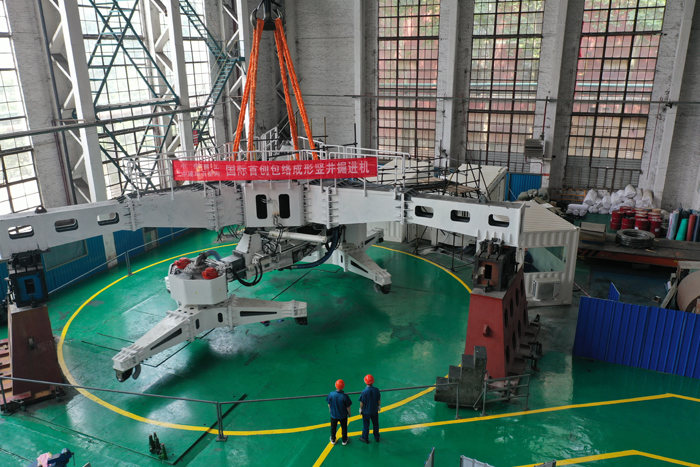
CITIC Heavy Industries Tunneling Equipment Tunnel Engineering Shield Machine
CITIC Heavy Industries Co., Ltd.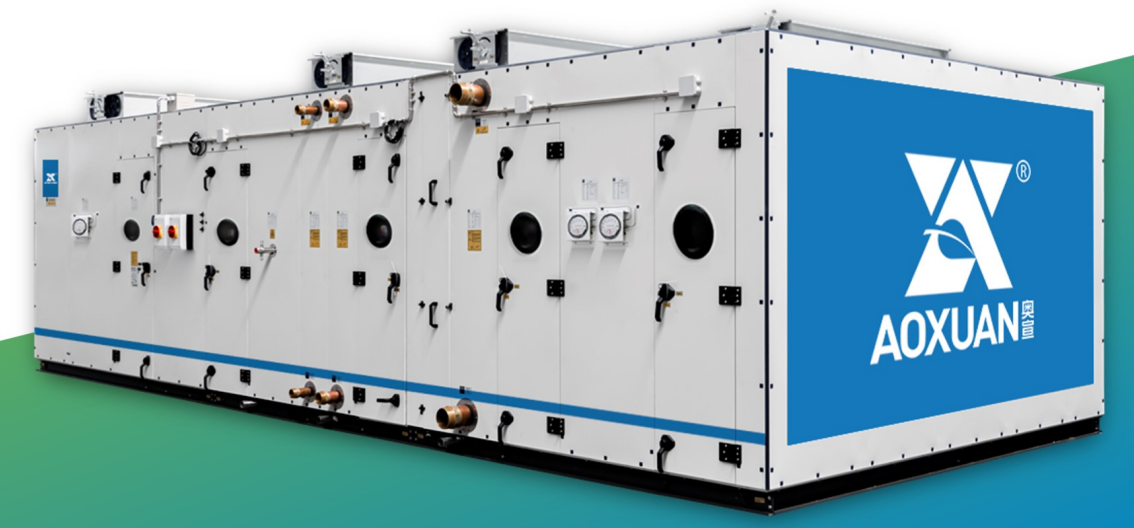
Aoxuan Intelligent Precision Air Conditioning Unit
SHANGHAI AOXUAN PURIFICATION TECHNOLOGY CO., LTD.


Ultra-pure Ferritic Stainless Steel Products
Gansu JISCO Group Hongxing Iron and Steel Co., Ltd.
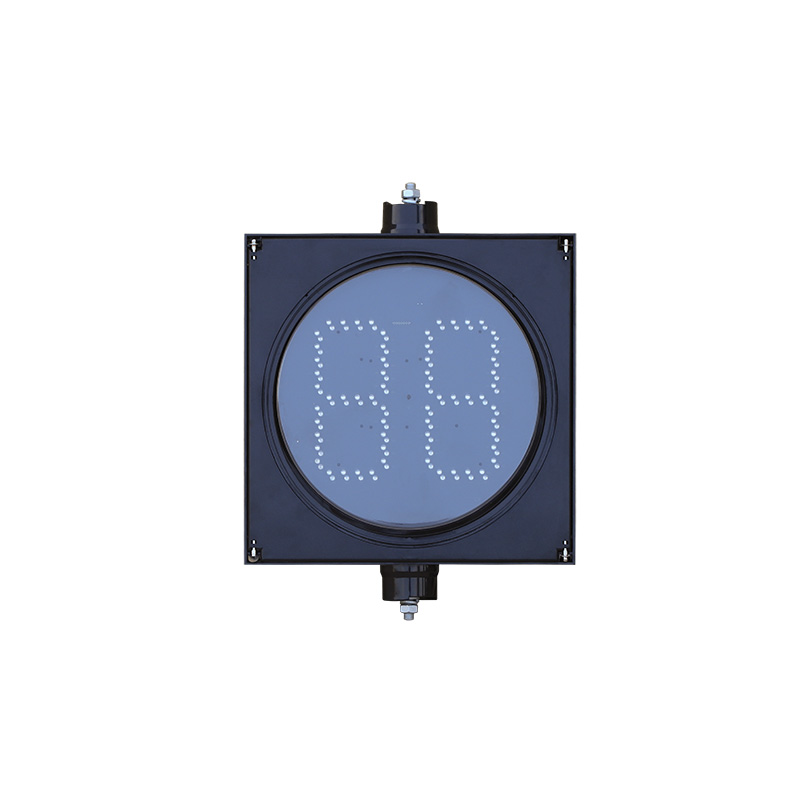
300mm Segment Type Countdown Traffic Light (Core Type)
Yangzhou FAMA Intelligent Equipment Co., Ltd.