ORNL Develops Hybrid 3D Printing, Reducing Costs by 90% and Time by 95%
en.Wedoany.com Reported - Researchers at the Manufacturing Demonstration Facility of the U.S. Department of Energy's Oak Ridge National Laboratory (ORNL) have developed a hybrid 3D printing method that combines origami-inspired design with composite materials to produce flat, foldable structures without the need for molds. Tests show that this process reduces manufacturing time by 95% and costs by 90% compared to traditional mold-based methods.
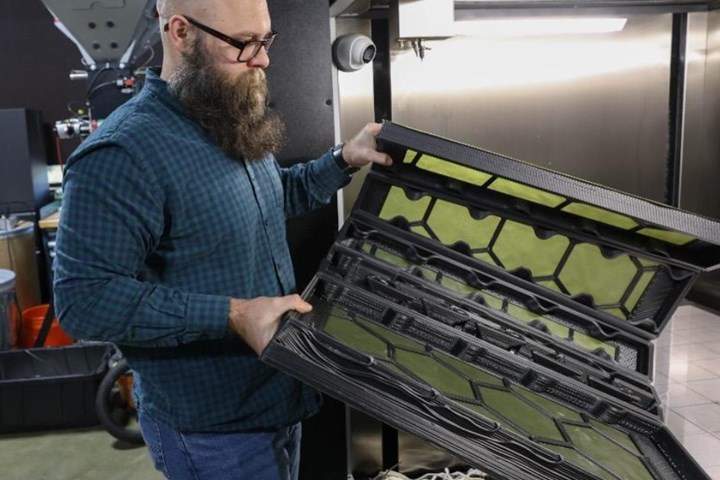
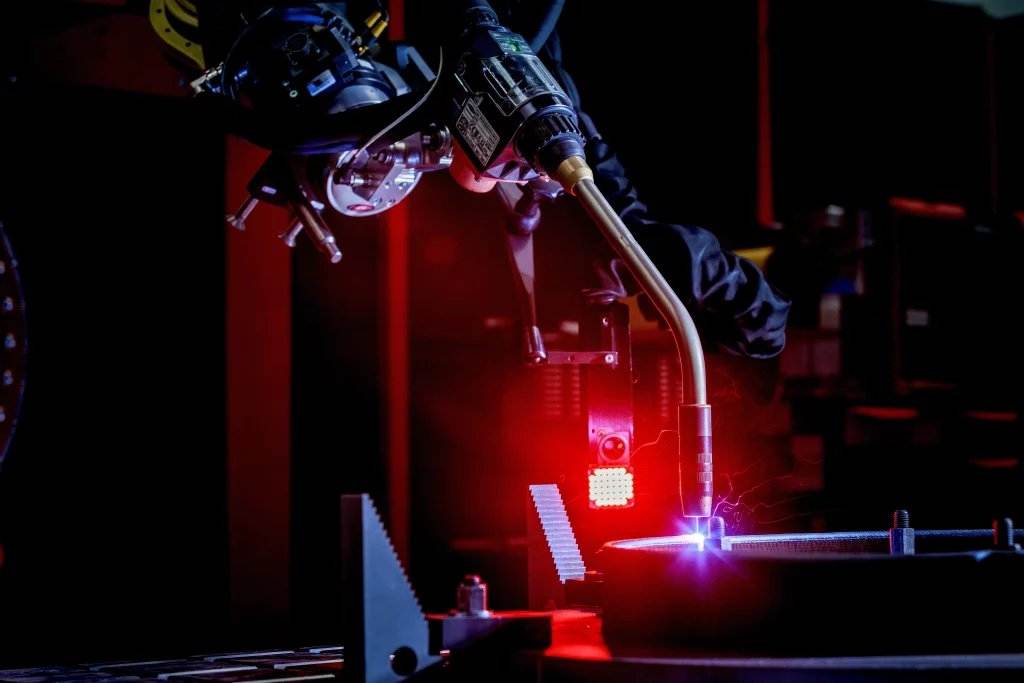
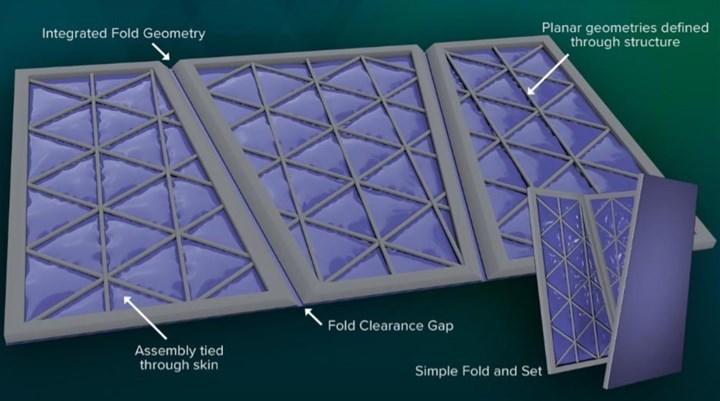
Lead researcher Steven Guzorek stated that the method integrates materials science with transformative design principles. This mold-free additive process deposits hybrid materials (materials made from mixed reinforcement components) onto a flexible fabric surface. By precisely controlling the shape and strength of the material, it creates flat, foldable structures that combine flexible and rigid components.
The structural substrate uses high-strength fabrics such as nylon, fiberglass, or resin-impregnated composite fibers. An integrated or adhesive layer, such as polyurethane, is then applied to ensure compatibility. Finally, a reinforcement layer, such as carbon fiber-reinforced acrylonitrile butadiene styrene (ABS) or thermosetting resins (e.g., styrene-based or epoxy-based formulations), is deposited. The materials bond at the molecular level, forming a strong connection.
The research team also includes Ahmed Arabi Hassen, Katie Copenhaver, Duncan Frazier, Brian Post, and Tyler Smith. ORNL has filed a patent application, and the team is preparing to make the technology available for future licensing.
This article is compiled by Wedoany. All AI citations must indicate the source as "Wedoany". If there is any infringement or other issues, please notify us promptly, and we will modify or delete it accordingly. Email: news@wedoany.com
Related Products

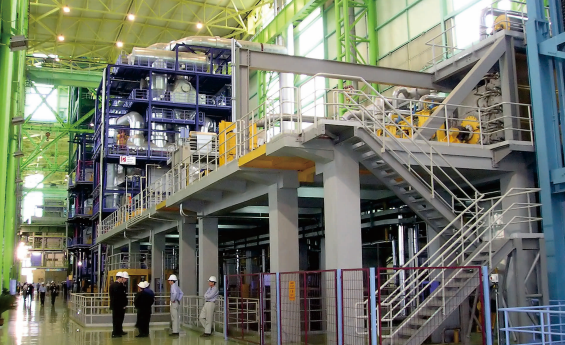
Strip Coating and Plating Production Line Equipment
MCC-SFRE HEAVY INDUSTRY EQUIPMENT CO., LTD.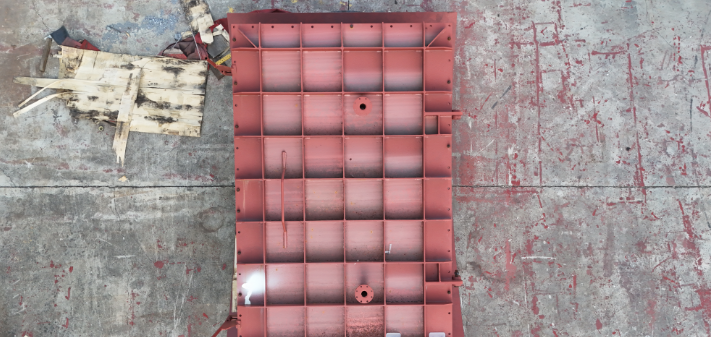
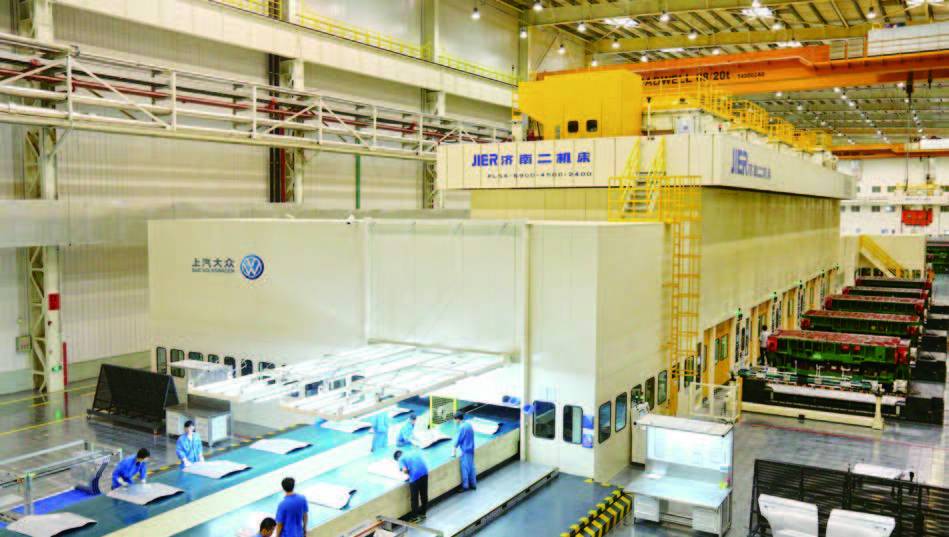
High-Speed Flexible Fully Automatic Stamping Production Line
JIER Machine-Tool Group Co., Ltd.
QLZNGJ Intelligent Steel Reinforcement Trolley
Luoyang China Railway Qiangli Machinery Co., Ltd.