France's Sirius Space Receives CNES Approval to Use the Diamant Launch Site in Guiana
en.Wedoany.com Reported - French startup Sirius Space has received approval from the French National Centre for Space Studies (CNES) to use the Diamant launch site at the Guiana Space Centre to advance its microlauncher program. The company will leverage the site's infrastructure to drive European expansion. CNES selected Sirius Space primarily based on its unique mastery of 3D printing technology and its established industrial expansion strategy.
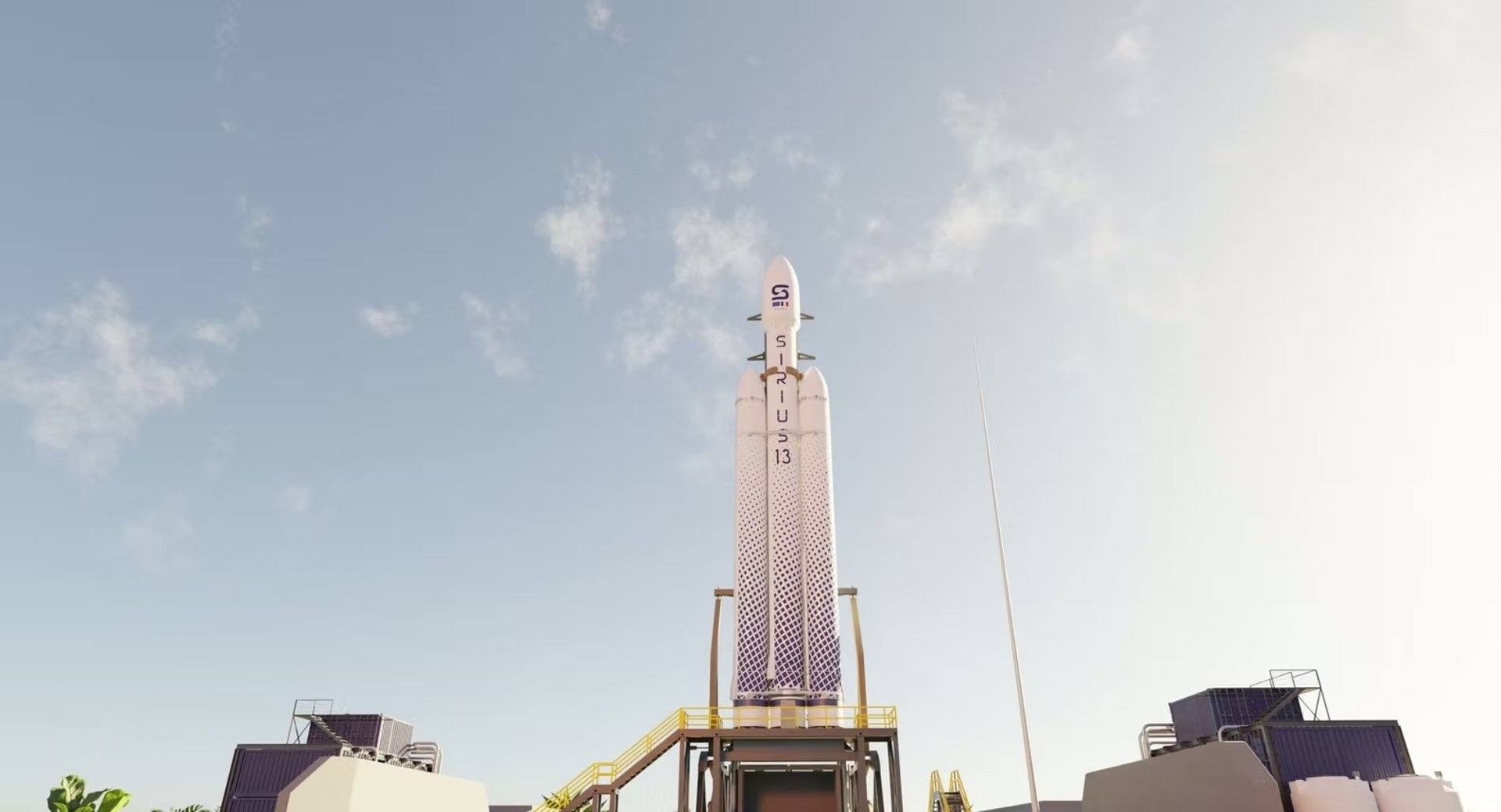
Sirius Space's entry into the Guiana market began with a logistical competition. Initially, startup MaiaSpace planned to occupy the Diamant launch site (also known as ELM—Multi-Launcher Launch Site), a shared launch area within the space center where multiple private rockets can coexist by sharing infrastructure such as roads, electricity, or liquid oxygen storage. MaiaSpace eventually relocated to the former Soyuz launch pad, freeing up a spot in the area reserved for small launch vehicles. A CNES committee then selected Sirius Space's project for placement. Within the multi-launcher launch site, the company led by Antoine Fourcade (25 years old) is not operating in isolation but will still deploy its own dedicated facilities, including a custom launch pad and a dedicated assembly building.
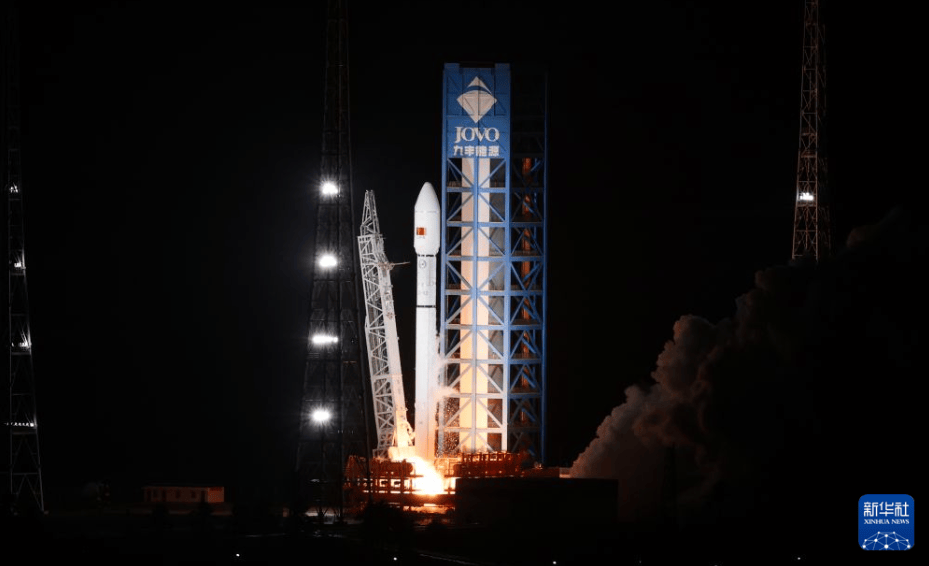
At the Diamant launch site, Sirius Space will share the stage with four other European companies: France's Latitude, Germany's Rocket Factory Augsburg, Spain's PayLoad Aerospace, and Germany's ISAR Aerospace. This industrial co-location arrangement is a first at the Guiana Space Centre, creating a unique competitive atmosphere in the European space sector. The move also confirms the commercial appeal of the Kourou spaceport, as Europe modernizes its infrastructure by opening doors to these private microlaunchers to diversify and flexibilize future launch capabilities while maximizing revenue, similar to the partnership model between Arianespace and Amazon Leo.
Sirius Space ultimately secured permission to go to Guiana thanks to its pre-validated technological maturity. In February, its team conducted tests in Germany, completing the design and testing of at least four independent combustion chambers, all manufactured using 3D printing technology.

This testing achievement directly stems from the FAISCEAU project conducted jointly with CNES, which validated the use of innovative dual-material technology, ideal for cost-effective reusable thrusters. To support its R&D pace, Sirius Space Services recently also acquired French precision machining company AMM-42. The company's ultimate goal is to deploy three families of light launch vehicles dedicated to low Earth orbit, manufactured in Blois, France, and designed to transport payloads under one ton, aiming to set a new industry benchmark for Europe. The company's first launch is planned around 2027 to 2028.
This article is compiled by Wedoany. All AI citations must indicate the source as "Wedoany". If there is any infringement or other issues, please notify us promptly, and we will modify or delete it accordingly. Email: news@wedoany.com
Related Products

ERW Welded Pipe (Black Pipe and Hot-dip Galvanized Steel Pipe)
Handan Zhengda Steel Pipe Co., Ltd.
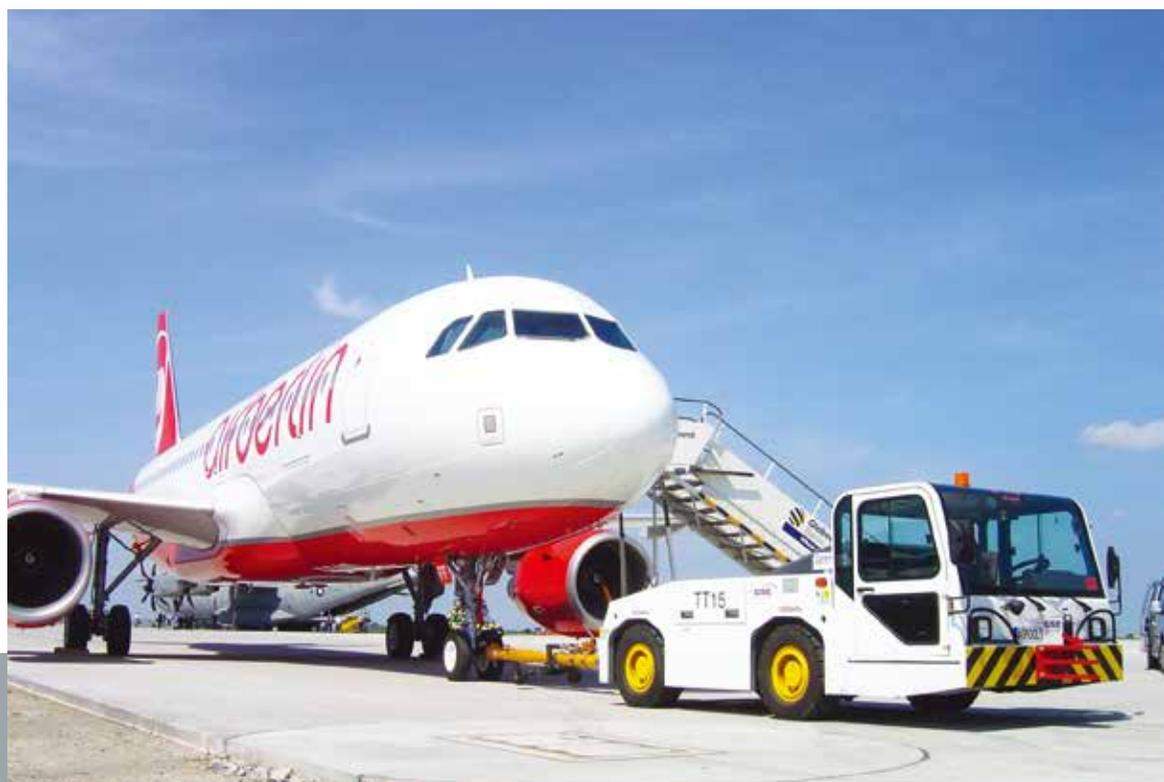
WGQY Series Aircraft Tow Tractor-WGQY15, WGQY27
Weihai Guangtai Airport Equipment Co., Ltd.

CLW5180TXSD6 Dongfeng Tianjin Washing and Sweeping Truck
ChengLi Special Automobile Co., Ltd.
Pantograph-Catenary Comprehensive Detection Device (1C)
CHENGDU TANGYUAN ELECTRIC CO., LTD.