en.Wedoany.com Reported - Dr. SB Hegde, Professor at Jain Engineering College, India, and Visiting Professor at Pennsylvania State University, USA, makes a compelling argument that lubrication is the most underestimated lever for energy efficiency and profitability.
In the cement industry, an unexpected one-hour kiln outage can cost up to 2.2 million rupees, and a vertical roller mill bearing failure can result in losses of tens of millions of rupees, yet plant performance discussions rarely start with lubrication. Dr. SB Hegde begins with a topic that most plant managers view as routine maintenance rather than a strategic investment, elaborating on how synthetic lubricants, predictive maintenance, and OEM collaboration can collectively deliver returns.
Lubrication strategy is the backbone of reliability and productivity in modern cement plants. Lubricants account for only 2% to 3% of total operating costs, yet up to 70% of maintenance issues, equipment failures, and unplanned downtime are related to poor lubrication. Leading global cement plants achieve over 85% Overall Equipment Effectiveness (OEE), primarily due to disciplined lubrication management. High-performance synthetic lubricants have demonstrated 2% to 6.5% energy savings (typically 3% to 4%) in critical equipment such as kiln rollers, vertical roller mills (VRMs), ball mill gearboxes, and crushers. In India, this translates to annual savings of 80 million to 150 million rupees for a 1 million ton per annum (1 MTPA) plant, or 80 to 150 rupees per ton of cement, with a payback period of 6 to 12 months. Considering the expected addition of 160 million to 170 million tons of capacity by fiscal year 2028, and with many plants still operating at 65% to 68% OEE, a robust lubrication strategy has become a strategic necessity.
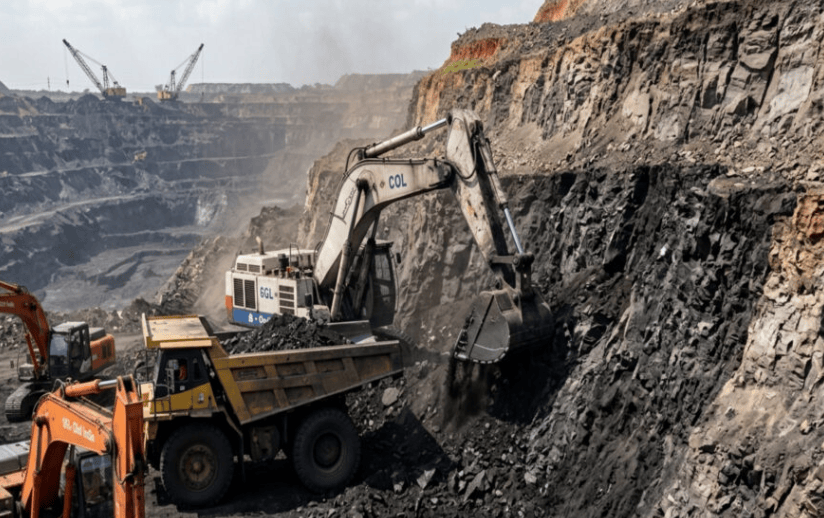
The Indian cement industry operates under some of the world's most demanding lubrication conditions, including extreme dust, high temperatures (100 to 140°C), heavy shock loads, and 24/7 continuous operation. The most severe challenge is dust contamination, causing nearly 36% of bearing failures. A major bearing failure in a vertical roller mill or kiln can result in losses of 20 million to 35 million rupees. Other critical issues include improper lubricant selection, inconsistent grease practices, and cost perceptions regarding specialty lubricants. An unplanned kiln outage due to lubrication failure can cost 80,000 to 220,000 rupees. These challenges push maintenance costs to 15% to 25% of total production costs and cause annual losses of 80 million to 150 million rupees or more for a 1 MTPA plant.
Advanced synthetic lubricants and high-performance oils are among the most practical tools for improving energy efficiency and sustainability. They reduce friction and operating temperatures, achieving 2% to 6.5% energy savings (typically 3% to 4%), enabling annual savings of 80 million to 150 million rupees (80 to 150 rupees per ton) for a 1 MTPA plant, with a payback period of 6 to 12 months. A 3% to 4% reduction in energy consumption can also reduce CO2 emissions by 2 to 4 kilograms per ton of cement. For a 1 MTPA plant, this equates to a reduction of 2,000 to 4,000 tons of CO2 annually, generating carbon credit revenue of 1.6 million to 10 million rupees under the Indian Carbon Credit Trading Scheme (CCTS). Additionally, advanced lubricants extend oil change intervals by 3 to 5 times and reduce lubricant consumption by 15% to 30%.
Predictive Maintenance (PdM) and oil condition monitoring shift maintenance from reactive to proactive by detecting issues early through oil analysis, vibration, and temperature data, reducing unplanned downtime by up to 50% and increasing uptime by 10% to 20%. In one case, a cement plant achieved a 57x return on investment within six months, saving over 84 million rupees and preventing a major failure that could have resulted in over 160 hours of downtime. For Indian plants, where a one-hour kiln outage costs 80,000 to 220,000 rupees, predictive maintenance typically reduces maintenance costs by 25%, extends equipment life by 20% to 40%, with a payback period of 3 to 6 months.
Synthetic and specialty oils provide superior protection under extreme conditions of high temperature, shock loads, dust, and continuous operation, extending component life by 3 to 7 times, achieving 2% to 6.5% energy savings, and reducing operating temperatures by 15 to 25°C. Modern solutions, such as PAO-based synthetic gear oils, high-temperature synthetic greases, and advanced open gear lubricants, also offer 3 to 5 times longer oil change intervals and 15% to 30% lower lubricant consumption. These improvements result in annual savings of 80 million to 150 million rupees for a 1 MTPA plant.
Lubrication management is one of the most effective methods for extending the lifecycle of critical equipment, with proper implementation extending equipment life by 20% to 50% or more. Since nearly 70% of bearing, gearbox, and roller failures are lubrication-related, practices such as using the correct lubricant, correct quantity, contamination control, and monitoring can save a typical 1 MTPA plant 60 million to 120 million rupees annually through reduced replacements and downtime.
Collaboration between lubricant companies, OEMs, and cement manufacturers combines equipment design knowledge, lubricant technology, and plant practical experience to develop customized solutions, integrate automatic lubrication systems with predictive monitoring, and accelerate innovation in energy-efficient products. One such collaboration achieved a 57x return on investment within six months, saving over 84 million rupees. Given the expected addition of 160 million to 170 million tons of capacity by fiscal year 2028, these collaborations are critical for achieving world-class reliability, lower operating costs, and sustainability performance.
This article is compiled by Wedoany. All AI citations must indicate the source as "Wedoany". If there is any infringement or other issues, please notify us promptly, and we will modify or delete it accordingly. Email: news@wedoany.com