German University of Regensburg Team Synthesizes Silicon-Based Compounds of Boron Group Elements
en.Wedoany.com Reported - The team led by Manfred Scheer at the University of Regensburg (Universität Regensburg) successfully synthesized and characterized a series of previously unknown monomeric "silyltrielanes" with terminal SiH₃ groups by using the silyl salt Na(Me₄TACD)SiH₃ as a [SiH₃]⁻ transfer reagent in salt metathesis reactions with Lewis base-stabilized Group 13 halides (B, Al, Ga, In).
TACD stands for 1,4,7,10-tetraazacyclododecane. The compounds isolated and fully characterized by the research team include: the highly unstable Me₃N·BH₂SiH₃ (detected only in mixtures), the NHC-stabilized (NHC = N-heterocyclic carbene) IDipp·BH₂SiH₃ and IMe₄·BH₂SiH₃ silylboranes, the air-sensitive IDipp·AlEt₂SiH₃ silylalane, and the NHC-stabilized IDipp·GaH₂SiH₃ silylgallane. Here, IDipp represents 1,3-bis(2,6-diisopropylphenyl)imidazol-2-ylidene.
By performing triple salt metathesis reactions using IDipp·ECl₃ (E = Ga, In), the team also prepared IDipp·Ga(SiH₃)₃ and IDipp·In(SiH₃)₃, i.e., trisilyltrielanes with three SiH₃ groups attached to gallium or indium atoms. The thermodynamic and bonding properties of these compounds were investigated using DFT calculations, multinuclear NMR, IR spectroscopy, and single-crystal X-ray diffraction.
Experiments demonstrated that Na(Me₄TACD)SiH₃ is a practical solution-phase source of SiH₃⁻, suitable for clean salt metathesis reactions to generate monomeric compounds with terminal SiH₃ groups directly bonded to B, Al, Ga, and In. The study shows that the Si–E bonds (E = B, Al, Ga, In) are highly polarized; for boron, this bond can be described in a manner analogous to the Dewar–Chatt–Duncanson model, where the σ-donating effect of SiH₃ and the back-interaction with the empty p orbital of boron cause boron to exhibit "metalloid" behavior.
The study found that compounds of the heavier Group 13 elements (Al–In) are extremely air-sensitive and thermally unstable, while NHC-stabilized silylboranes are relatively more stable under inert conditions. Compared to [CH₃]⁻ chemistry, [SiH₃]⁻ chemistry is underdeveloped, primarily due to difficulties in the preparation and handling of silyl salts. This work avoids hazardous routes based on SiH₄ and provides well-defined molecular precursors, potentially aiding in the design of novel main-group chain compounds (B/Al/Ga/In–Si frameworks), thin-film deposition and materials chemistry (volatile hydride precursors), as well as understanding the bonding and reactivity of SiH₃-containing main-group species.
This article is compiled by Wedoany. All AI citations must indicate the source as "Wedoany". If there is any infringement or other issues, please notify us promptly, and we will modify or delete it accordingly. Email: news@wedoany.com
Related Products


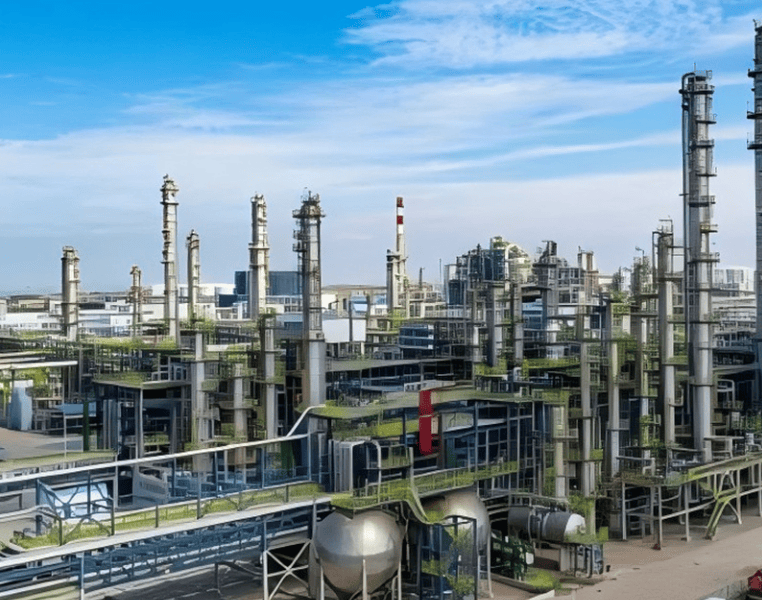
Steel Pipes for Refining and Coal Chemical Industries
YANGZHOU LONTRIN ENERGY EQUIPMENT CO.,LTD.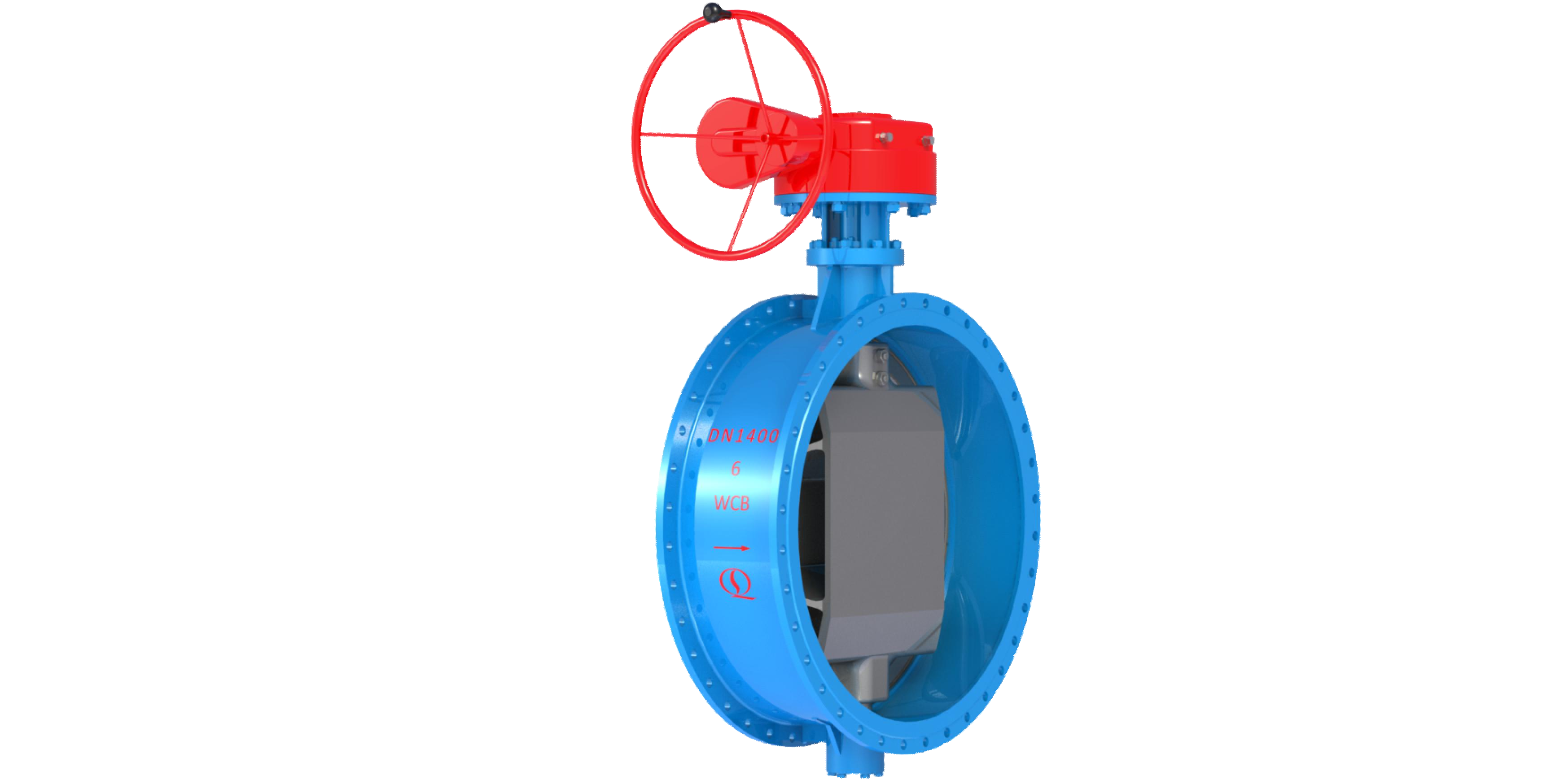
Bidirectional Metal Hard Sealed Seawater Butterfly Valve
Henan Quanshun Flow Control Science & Technology Co., Ltd.
Quick-Change Single-Seat Control Valve / Quick-Change High-Pressure Single-Seat Control Valve
Beijing Consen Automation Technology Co., Ltd.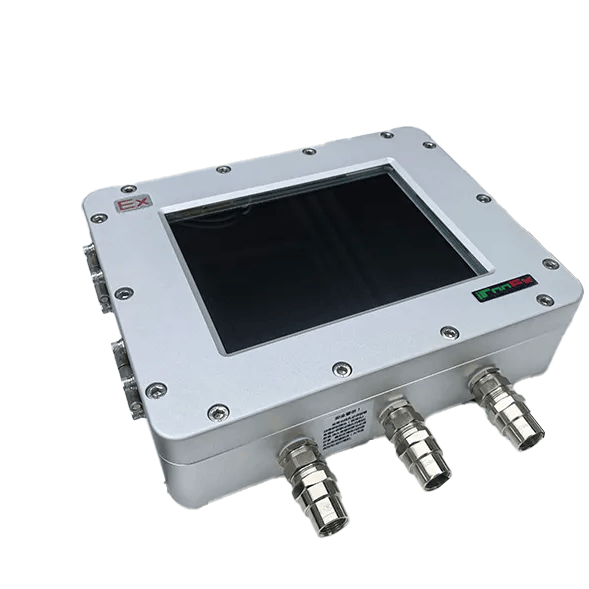
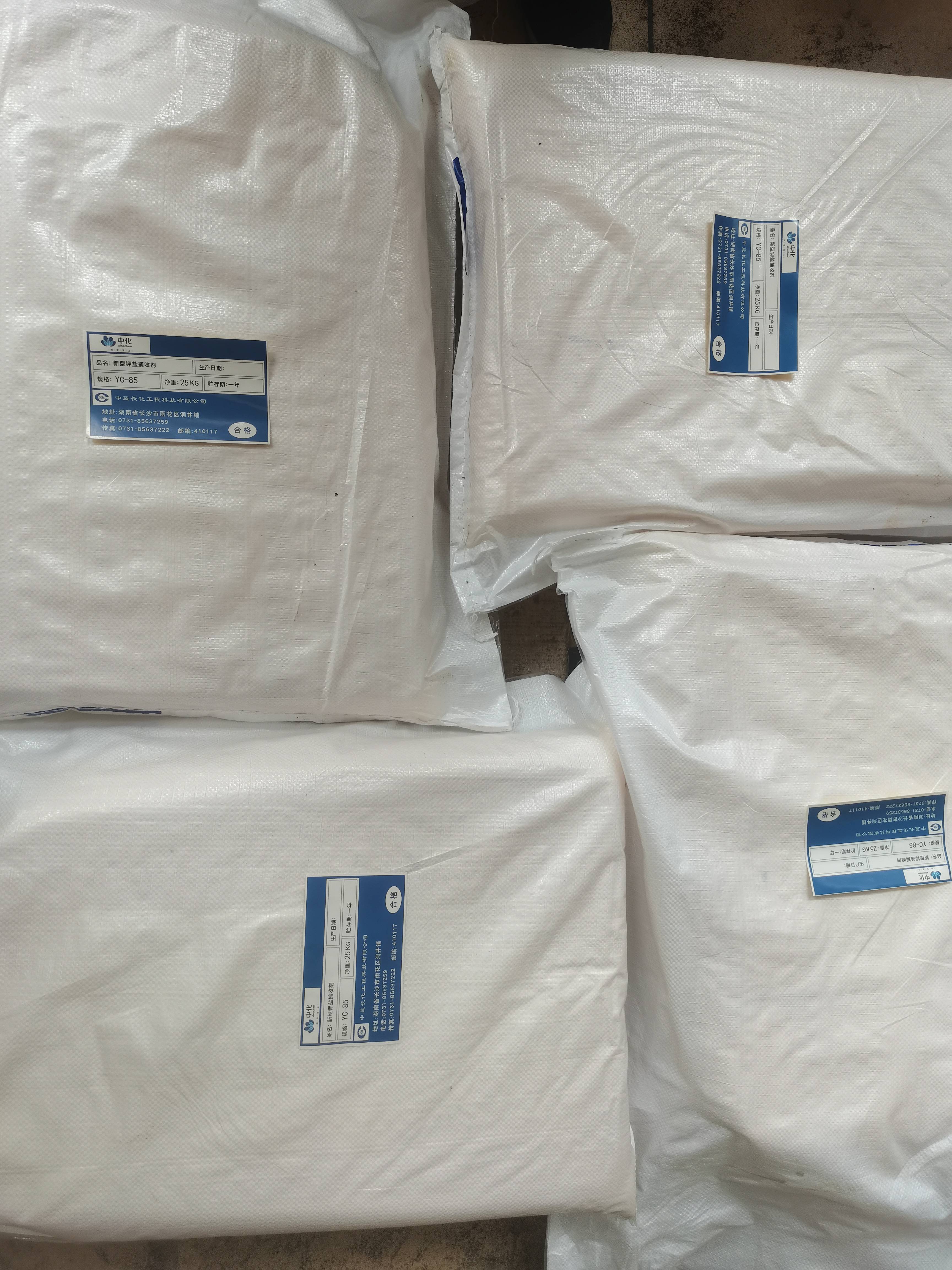
New Environmentally Friendly Green Potassium Salt Collector
Chonfar Engineering and Technology Co., Ltd.

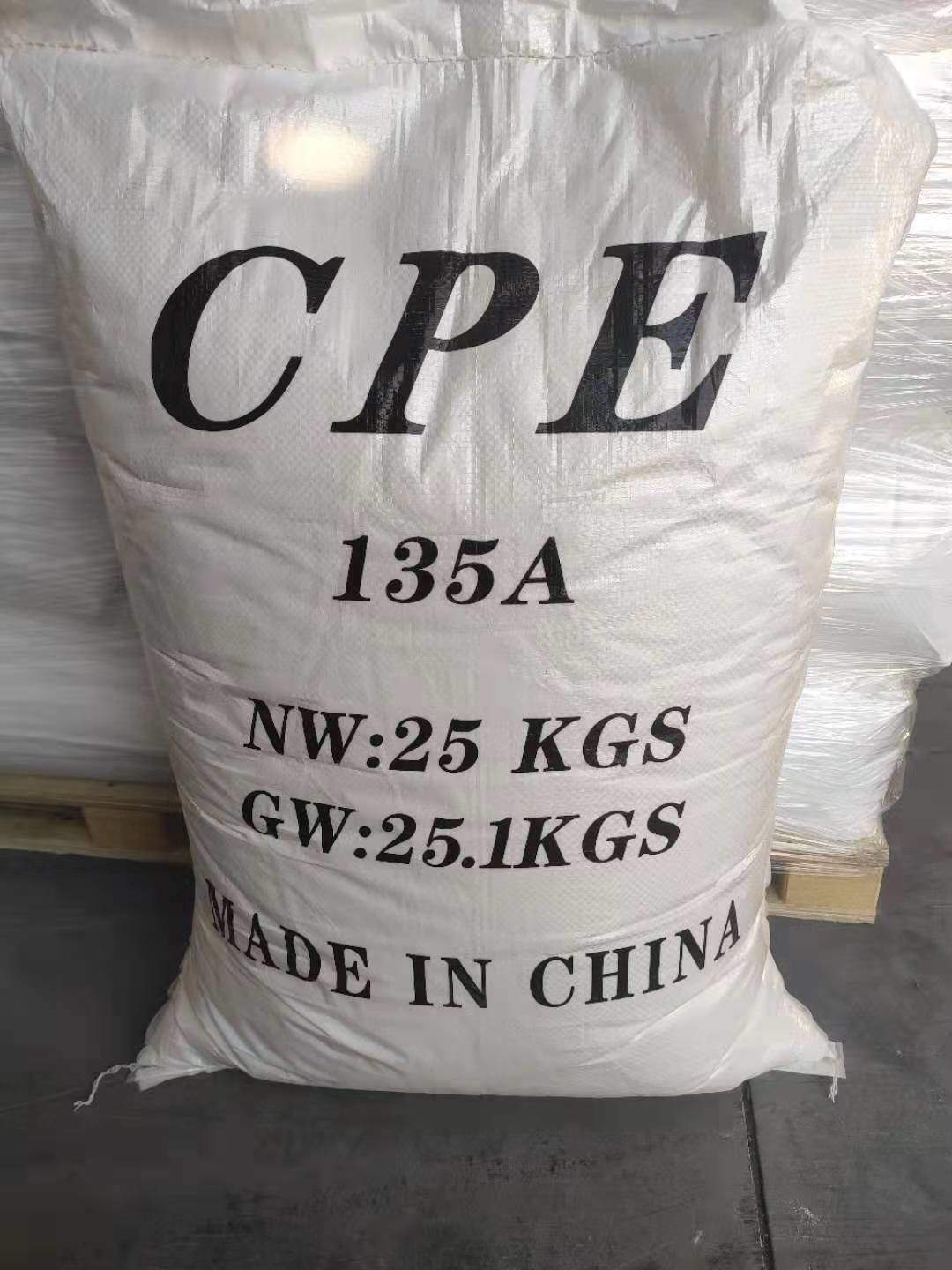
PVC Impact-Modified Chlorinated Polyethylene
Gansu Jinchuan Hengxin Polymer Technology Co., Ltd.