en.Wedoany.com Reported - As rail freight volumes continue to grow, the Mozambican government recently announced that it will open the state-owned railway network to private operators to advance industry reforms, improve freight efficiency, and reduce logistics costs.
Minister of Transport and Logistics João Matlombe disclosed the reform plan during a meeting in the capital Maputo with the Confederation of Economic Associations (CTA), the country's largest business organization. Under the plan, the state-owned Mozambique Ports and Railways Company (CFM) will transition into an infrastructure manager, while private enterprises can provide transport services on its lines. Matlombe stated that the goal is to increase railway facility utilization and alleviate pressure on road transport. He noted that the monopoly model cannot effectively support logistics development, and the government has conducted extensive consultations to prepare for opening railway access to various market players. He also mentioned that Mozambique aims to learn from South Africa, which is at the forefront of opening railway operations to the private sector. The minister emphasized that monopolies and inefficiencies are dragging down the economy, necessitating structural changes in the railway industry.
The private sector welcomed the reforms. CTA President Álvaro Massingue argued that current logistics costs are too high, transport times too long, and freight rates uncompetitive, causing cargo to shift from rail to road and weakening the overall competitiveness of transport corridors. He called for the introduction of a National Logistics Competitiveness Strategy and noted that an integrated, digitalized transport network could help position Mozambique as a regional logistics hub.
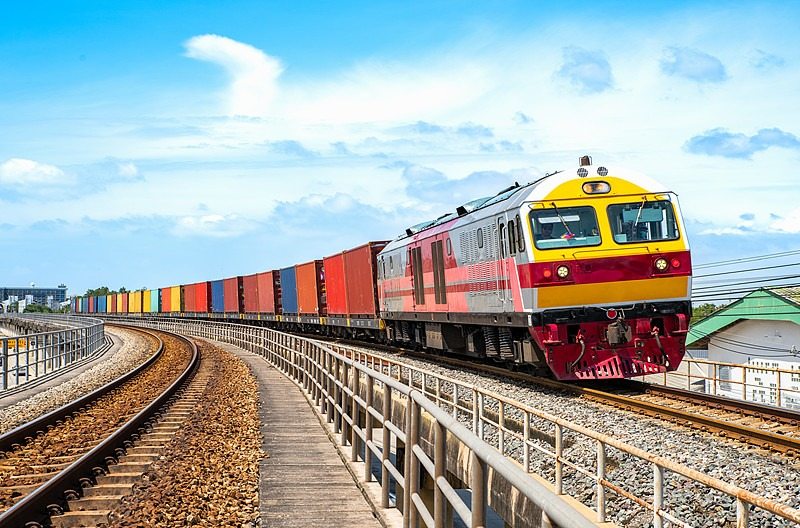
In the first quarter of this year, Mozambique's railway network transported 3.6 million tons of cargo, a 14.9% increase compared to the same period in 2025. The country's railway network is currently divided into three independent systems—southern, central, and northern—connecting to ports and neighboring countries South Africa, Eswatini, and Zimbabwe. To enhance network connectivity, the government has approved the establishment of a special investment office to plan the construction of a north-south railway line, with a construction period estimated at eight years.
This article is compiled by Wedoany. All AI citations must indicate the source as "Wedoany". If there is any infringement or other issues, please notify us promptly, and we will modify or delete it accordingly. Email: news@wedoany.com