en.Wedoany.com Reported - The current recycling rate for textile waste is extremely low, with less than 0.5% of post-consumer textiles being recycled, while the rest mostly ends up in landfills or incinerators. A paper in the journal Sustainability notes that the growing environmental pollution and waste generation in the textile industry are "alarming," exacerbated by wasteful consumption and ineffective textile waste management. According to another paper in Science Advances, mechanical recycling is the most common method for textiles, but it cannot handle most post-consumer textiles, which are mixed fibers containing contaminants.
The Boston Consulting Group (BCG) states that if the approximately 120 million metric tons of clothing discarded annually could be better utilized, system-wide improvements could increase the recycling rate to over 30%, generating recycled fiber raw materials worth more than $50 billion.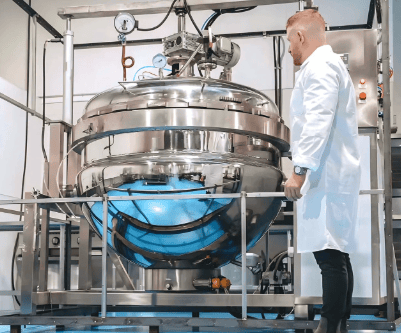
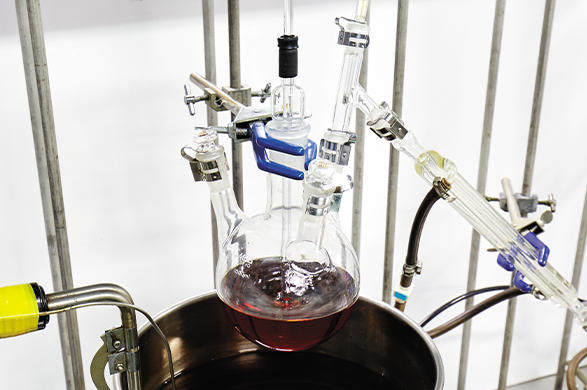
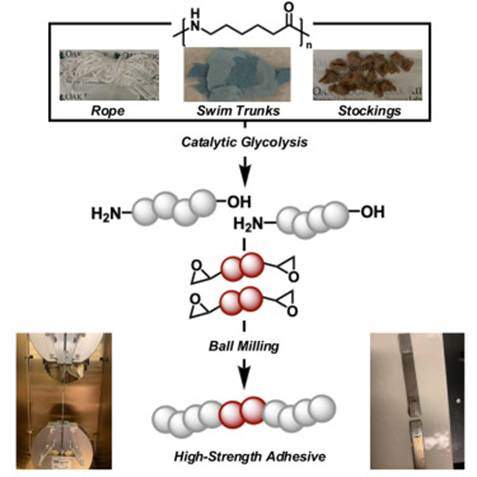
Chemical recycling technology is seen as a promising solution. Denovia, a North America-based company, has released early commercial test data showing that its chemical recycling technology converts contaminated post-consumer textile waste into terephthalic acid monomers with a verified purity of 98.3%, reportedly comparable to the production level of virgin materials. The company's CEO, Nick Spina, stated that unlike thermal mechanical recycling, which typically cannot achieve high-purity output from mixed textile waste, Denovia's technology can process mixed and contaminated garments containing dyes, coatings, and finishes. This technology also helps reduce the high cost of chemical recycling, which often prevents waste management and recycling companies from profiting from processing contaminated feedstocks. Denovia has demonstrated in large-scale applications that it can convert specific polymers from plastic waste into high-purity outputs that can be sold for profit, thereby offsetting the technology's costs.
Denovia employs a depolymerization technology with a relatively fast reaction speed, requiring a temperature range of 158°F to 194°F (70°C to 90°C). The company claims that this low energy consumption makes it more resource-efficient than the energy-intensive process of producing virgin materials from petrochemical feedstocks. The system design adopts a closed-loop approach, enhancing circularity at each stage. Large waste management companies using this technology typically take 5 to 15 minutes to convert plastic forms back into basic chemical building blocks, with the fastest time reaching 30 seconds. In contrast, most chemical recycling processes require 30 to 180 minutes and high temperatures, limiting throughput and driving up costs.
Denovia typically collaborates with clients through technology licensing. In 2025, the company announced a partnership with waste management firm Tymac. Tymac is piloting the upcycling of plastic waste (ranging from single-use items to complex polyester mixtures) generated by ships, including cruise liners, at the Port of Vancouver using Denovia's PL-1000 machine. Tymac previously paid approximately 200 to 400 Canadian dollars per ton to incinerate such ship plastic waste. According to Denovia, the PL-1000 machine, launched in 2025, can recycle 1,000 liters of plastic waste per batch. Denovia develops its business model based on the volume of waste upcycled by clients and the resulting revenue and profits, retaining a certain percentage of the profits. The company states that its licensing and technology typically achieve a return on investment within the first 12 to 15 months, depending on the type of waste. To expand and deploy more machines, Denovia requires funding. In a press release on June 5, 2026, Denovia announced that, months after the launch of its PL-1000 iteration, the "Ark," the company has entered the next phase of fundraising activities to support business expansion, equipment deployment, strategic partnerships, and the commercialization of the platform in major waste and materials markets.
This article is compiled by Wedoany. All AI citations must indicate the source as "Wedoany". If there is any infringement or other issues, please notify us promptly, and we will modify or delete it accordingly. Email: news@wedoany.com