Lenovo Launches New AI Inference Solutions in the US
en.Wedoany.com Reported - On June 24, 2026, Lenovo announced at its headquarters in Morrisville, North Carolina, the expansion of its Lenovo Hybrid AI Advantage portfolio with new solutions for inference and agentic AI. These products aim to help organizations lower the barriers to AI deployment and token costs, while supporting cost-effective operations across scenarios from devices to AI factories. According to the Lenovo CIO Handbook 2026, 94% of organizations plan to increase AI investments in the coming year; meanwhile, industry research shows that 92% of organizations deploying agentic AI report costs exceeding expectations. Lenovo's inference-optimized architecture can reduce per-token costs by up to 8 times compared to cloud-based infrastructure as a service (IaaS) environments, and up to 18 times compared to model as a service (MaaS) APIs.
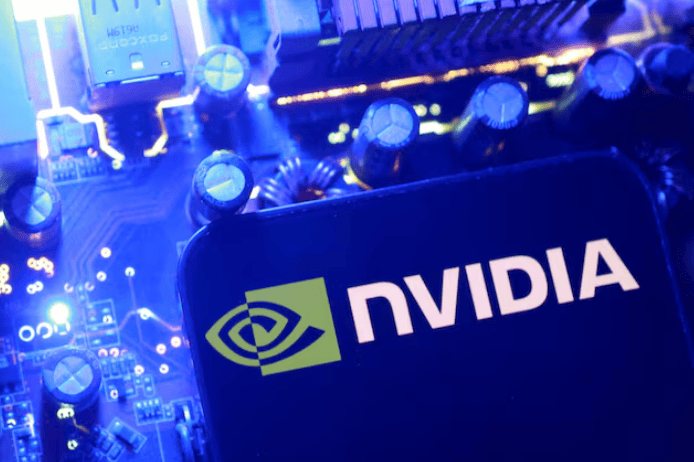
Ashley Gorakhpurwalla, President of Lenovo's Infrastructure Solutions Group, stated that enterprises are moving beyond the AI experimentation phase and demanding measurable business outcomes. Lenovo helps customers deploy AI where it creates the most value while improving token economics and maintaining trust, security, and governance. The new inference-optimized platforms, built in collaboration with NVIDIA, Intel, Red Hat, and Canonical, include a CPU-only solution and two configurations based on AI maturity. The CPU-only platform, developed with Red Hat and powered by Intel Xeon 6 processors, can handle approximately twice the number of concurrent AI requests, making it suitable for enterprise workloads such as retrieval-augmented generation (RAG) and HR support. The configuration with Canonical uses Ubuntu and Kubernetes architecture to provide an automated AI stack; another configuration, based on Red Hat Enterprise Linux AI, supports full lifecycle management and production deployment, with delivery shortened to weeks through Lenovo's Top Choice Express Program.
In the realm of agentic AI, Lenovo introduces one-click deployment capabilities, covering areas from Knowledge Super Agent and AIOps to autonomous agent development related to NVIDIA NemoClaw. The personal AI factory environment on Lenovo ThinkStation PGX simplifies development and provides a path from proof of concept to production deployment. Additionally, Lenovo plans to launch AI-driven self-service kiosks in retail environments, acting as digital assistants to help customers find products, check inventory, and receive personalized assistance.
To ensure data security and governance, Lenovo adds Nutanix compute-only clusters based on ThinkSystem servers, XClarity One unified zero-trust management, and supply chain hardware root of trust protection. Lenovo emphasizes a "design for trust" principle, keeping humans in control from experimentation to autonomous execution. Futurum analysis indicates that over the next 12 to 18 months, organizations executing a strategy integrating hardware, software, and services will build a significant competitive advantage in AI operations.
Lenovo is a global technology company with $83 billion in revenue, ranked 196th on the Fortune Global 500, serving 180 markets. Its hybrid AI strategy encompasses personal AI and enterprise AI, with a full-stack portfolio including devices, infrastructure, and software services. Lenovo has 20 R&D locations and over 30 manufacturing facilities worldwide, and is listed on the Hong Kong Stock Exchange (stock code: 992, American Depositary Receipts: LNVGY).
This article is compiled by Wedoany. All AI citations must indicate the source as "Wedoany". If there is any infringement or other issues, please notify us promptly, and we will modify or delete it accordingly. Email: news@wedoany.com
Related Products


MUX Series Communication Interface Device for Security and Stability Control System
Nanjing NR Electric Co., Ltd.
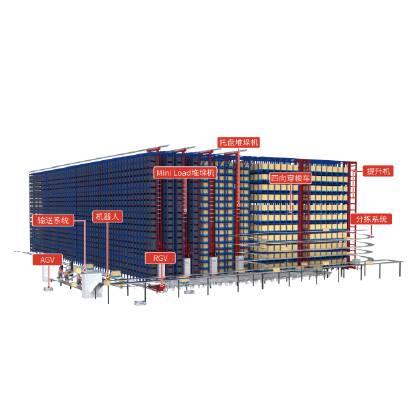

Multi-function Marine Monitoring Low-altitude Detection Radar Sea-air Boundary Ocean Dynamic Environment Measurement
Chengdu Dixin Technology Co., Ltd.
Flat Portable Satellite Terminal 0.35m Aperture Manual Portable Terminal
China Starwin Science & Technology Co., Ltd.


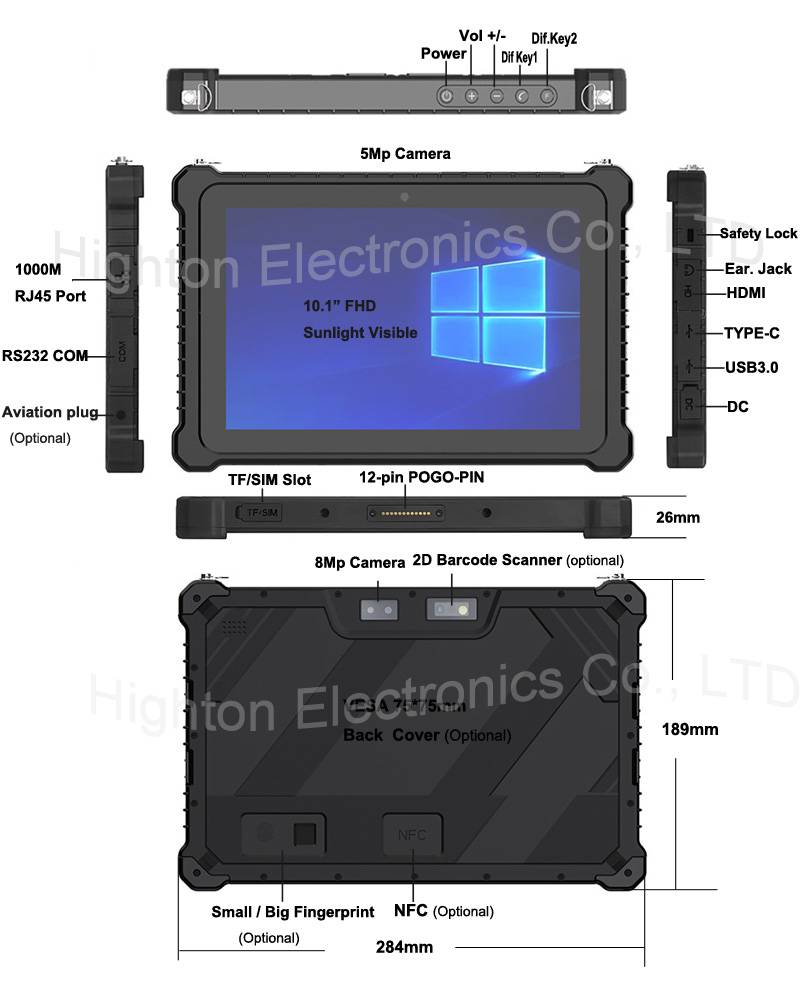
Hot Selling 10 Inch Intel N5100 I5 I7 FHD 8 +128GB 16+256GB Win10 Pro Win11 Pro 4G 5G Rugged Tablet PC Pad with NFC Barcode
Highton Electronics Co., Ltd.