en.Wedoany.com Reported - Keiko Fujimori's victory in Peru's presidential runoff has sparked interest in the development prospects of key sectors such as mining, infrastructure, and oil, as investors seek more stable policy signals.
Peru's economic growth rate is projected at 3.4% in 2026 and 3.2% in 2025, with a fiscal deficit of approximately 1.8% of GDP. Economists are closely monitoring the spending policies Fujimori will implement during her term. The outgoing government, with special congressional authorization, spent about $3 billion more than budgeted, one-third of which was recurrent expenditure, narrowing the fiscal space for the new administration.
Julio Carrión, a professor of political science and international relations at the University of Delaware, stated that it remains unclear whether Fujimori will abandon the unfunded spending policies adopted by Congress over the past two years. Congress has relied on her party's votes to approve clientelist laws lacking actual fiscal backing. Carrión believes that from the presidency, with the assistance of a stronger economy minister than in the past, Fujimori will control these expenditures. Over the past two to three years, Congress has easily formed majorities and pushed proposals without fiscal support. Fujimori needs to enforce fiscal discipline from the presidency, even though her party still has incentives to maintain spending. The outlook will become clearer after the cabinet is appointed.
Fujimori's government plan positions private investment as the engine of growth. She has pledged legal stability, streamlined processes, and incentives for businesses, arguing that poverty reduction depends on growth, investment, and the creation of formal employment. In infrastructure, projects expected to be revived include the Carretera Central, the Chinchero International Airport (Cusco), Chavimochic III, Majes Siguas II, the Gasoducto Sur Andino (Southern Andean Gas Pipeline), new Lima Metro lines, and other railway projects.
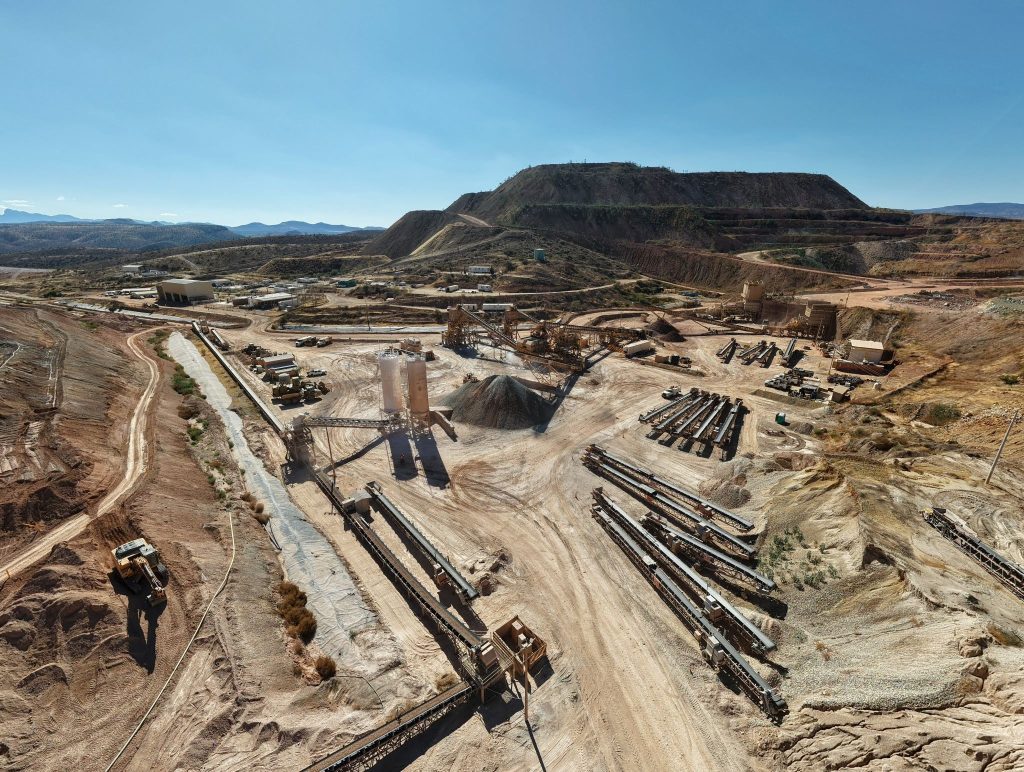
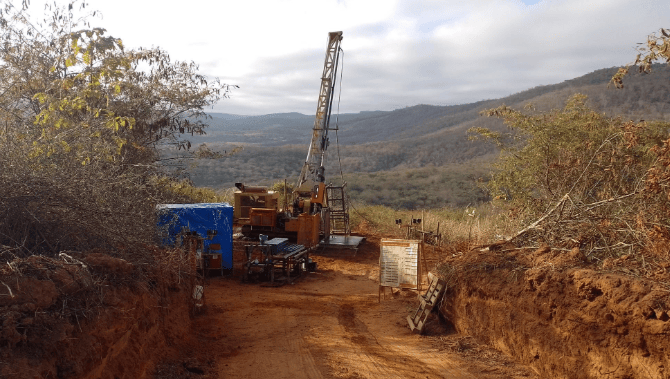
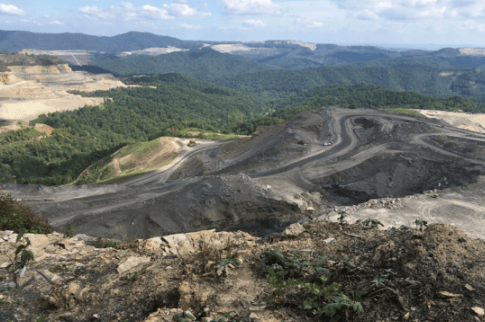
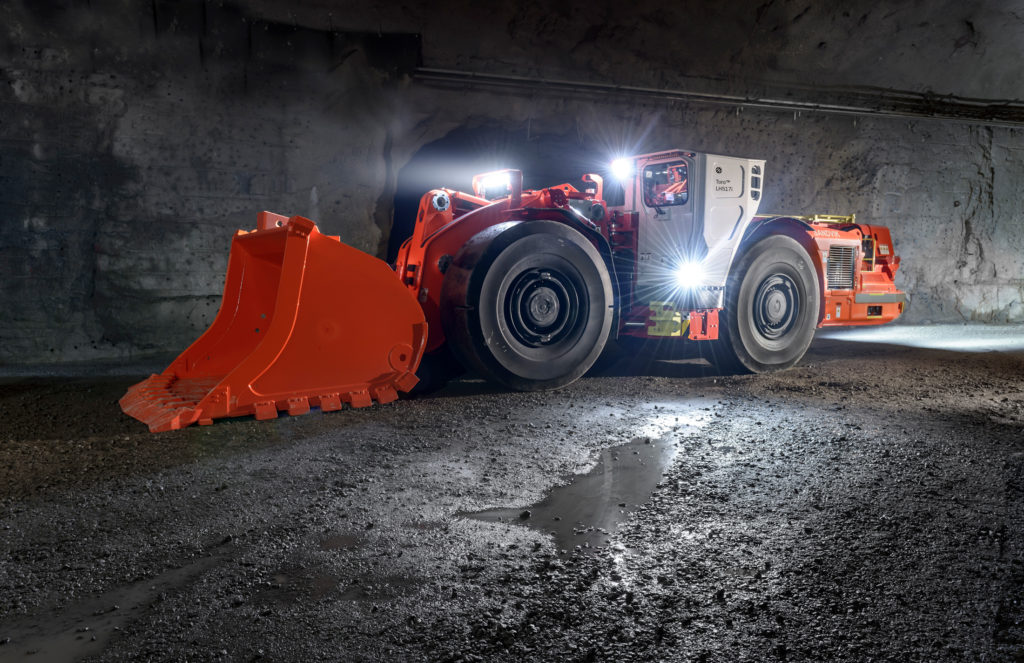
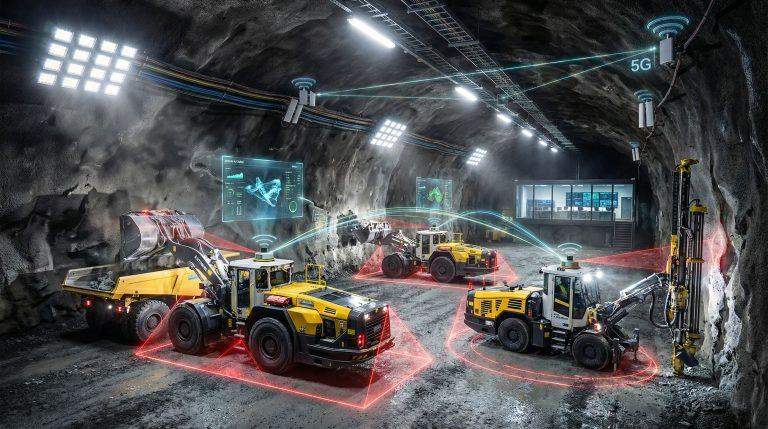
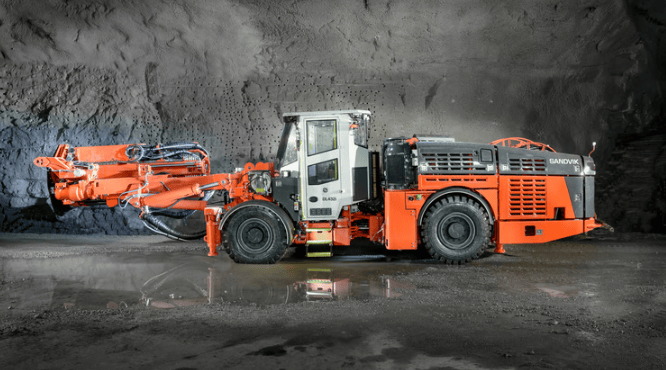
In mining, the new government will face the challenge of accelerating procedures and approvals to unlock a $64 billion project portfolio while promoting new exploration. The sector has been hampered by regulatory obstacles, including overlapping regulations, duplicate approvals, inefficient public administration, and limited digitalization. Since the Quellaveco mine began operations in 2018, no new large-scale mines have been launched in Peru. The copper project portfolio is scheduled for completion by 2032. San Gabriel is expected to enter the commercial phase in the second half of 2026; Coroccohuayco and Tía María are targeting 2027; Los Chancas and Trapiche are planned for 2031. In gold, aside from Conga, whose timeline is uncertain, there are no other projects that could significantly boost production. According to the Institute of Peruvian Economics (IPE), Michiquillay, Los Chancas, and Haquira could expand copper production by up to 18%, but face delays due to illegal mining.
In oil, Fujimori proposed during her campaign to transform Petroperú into a public-private partnership (PPP) model, introducing private capital to manage operations. She advocates for the state to gradually withdraw from high-cost, high-risk exploration and production activities, focusing on strategic functions such as energy market distribution and regulation.
Fujimori's government plan is structured around three pillars: order, economy, and society. The order pillar proposes restoring territorial control, strengthening the national police, modernizing the judicial system, ensuring fiscal discipline, implementing a deregulation shock, reinforcing public institutions, and combating corruption. The economic pillar aims to boost productive sectors such as mining, energy, agriculture, fisheries, tourism, manufacturing, and transportation. The social pillar prioritizes education, health, housing, water and sanitation, food security, pensions, and sports.
After experiencing eight presidents in a decade and ongoing conflicts between the executive and legislative branches, there are expectations that Fujimori can complete her five-year term in a still deeply polarized country. Peru's Congress is bicameral, consisting of 190 members, including 130 deputies and 60 senators. Popular Force will have the largest caucus with 63 seats, followed by Together for Peru with 46 seats. A simple majority is required to pass laws. A motion to remove the president requires 87 votes in the Chamber of Deputies and 40 votes in the Senate. Experts predict that in the event of a vacancy motion, Popular Force, with support from other right-wing parties, could block it, providing political stability and confidence for investment. Carrión noted that Fujimori has enough senators to avoid impeachment.
This article is compiled by Wedoany. All AI citations must indicate the source as "Wedoany". If there is any infringement or other issues, please notify us promptly, and we will modify or delete it accordingly. Email: news@wedoany.com