Petrochemical Pipeline Fittings Move Toward Lifecycle-Based Material Selection
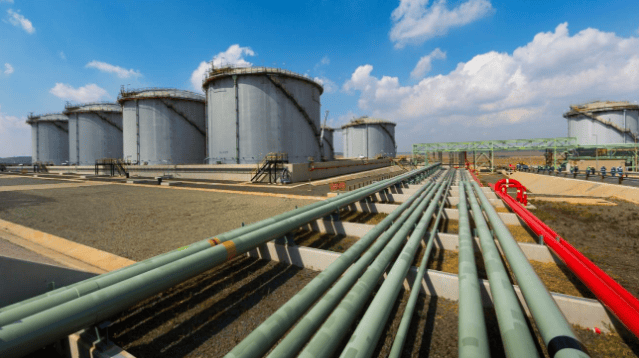
en.Wedoany.com Reported - Although fittings account for only a limited share of the total length of a petrochemical piping system, they are frequently exposed to concentrated mechanical and chemical stresses. Elbows, tees, reducers, caps, and branch connections experience changes in flow direction, local turbulence, erosion, temperature cycling, welding residual stress, and uneven corrosion. As a result, material selection is increasingly moving beyond pressure resistance toward lifecycle reliability.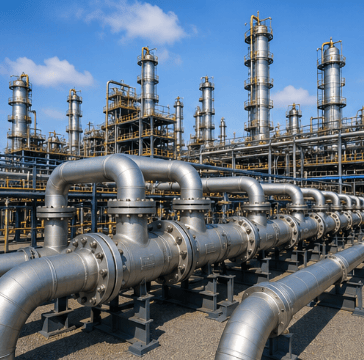
Petrochemical Pipeline Fittings must be selected according to the actual process environment rather than by nominal pressure class alone. Important factors include fluid composition, water content, chloride concentration, sulfur compounds, operating temperature, flow velocity, shutdown conditions, startup frequency, and expected corrosion allowance.
Carbon steel remains widely used in hydrocarbon service and utility systems because of its mature supply chain, established welding procedures, and competitive cost. However, it may require additional corrosion control when exposed to wet acid gases, sulfur-bearing fluids, aggressive condensates, or temperature ranges that accelerate localized attack. In such cases, designers must evaluate whether corrosion allowance, internal coating, chemical treatment, or a higher-grade alloy is necessary.
Low-alloy steels are commonly considered for high-temperature and high-pressure duties where creep strength and thermal stability are important. Stainless steels can provide improved corrosion resistance, but they are not universally immune to failure. Chloride-containing environments may cause pitting, crevice corrosion, or stress corrosion cracking, while poorly controlled welding can reduce corrosion resistance in heat-affected zones.
Duplex stainless steels, nickel-based alloys, clad materials, and lined fittings may be used in more severe services. Their application, however, requires careful control of filler metals, heat treatment, ferrite balance, surface condition, and dissimilar-metal joints. A high-performance alloy can still fail if fabrication and welding practices are inconsistent with the selected material system.
Material compatibility must also extend beyond the fitting itself. Pipe, flange, valve, gasket, fastener, and weld metal should be reviewed as one pressure-containing assembly. Significant electrochemical differences between adjacent materials may increase galvanic corrosion risk, while mismatched weld chemistry can create a localized weak point.
Procurement specifications should therefore include more than grade, size, and schedule. Buyers should verify heat numbers, material certificates, chemical composition, mechanical properties, heat-treatment records, dimensional inspection, and nondestructive examination results. Positive material identification, hardness testing, or additional corrosion-related verification may be appropriate for critical services.
The future of fitting selection will be increasingly connected to corrosion circuits, failure databases, and risk-based engineering. The objective is not simply to purchase the most expensive alloy, but to choose a material system that remains technically defensible under normal operation, upset conditions, shutdown periods, and long-term maintenance.
This article is compiled by Wedoany. All AI citations must indicate the source as "Wedoany". If there is any infringement or other issues, please notify us promptly, and we will modify or delete it accordingly. Email: news@wedoany.com
Related Products

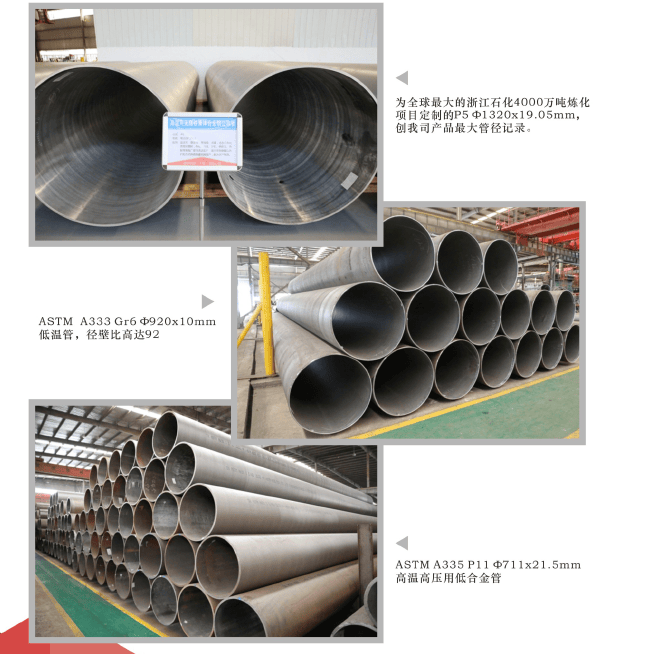
Steel Pipes for Refining and Coal Chemical Industries
YANGZHOU LONTRIN ENERGY EQUIPMENT CO.,LTD.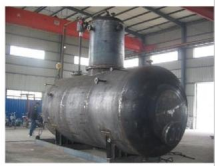
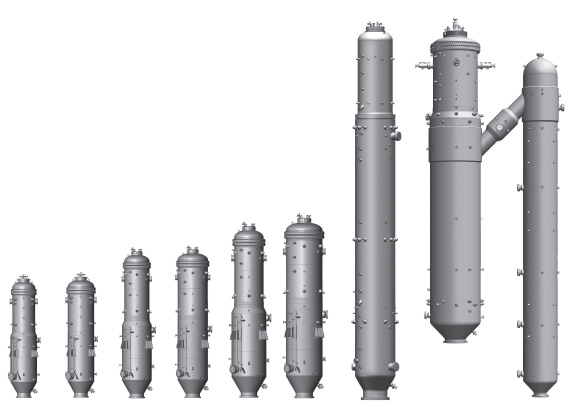
Gasification Furnace Series: Freely Combinable Aerospace Furnace
CHANGZHENG ENGLINEERING CO., LTD.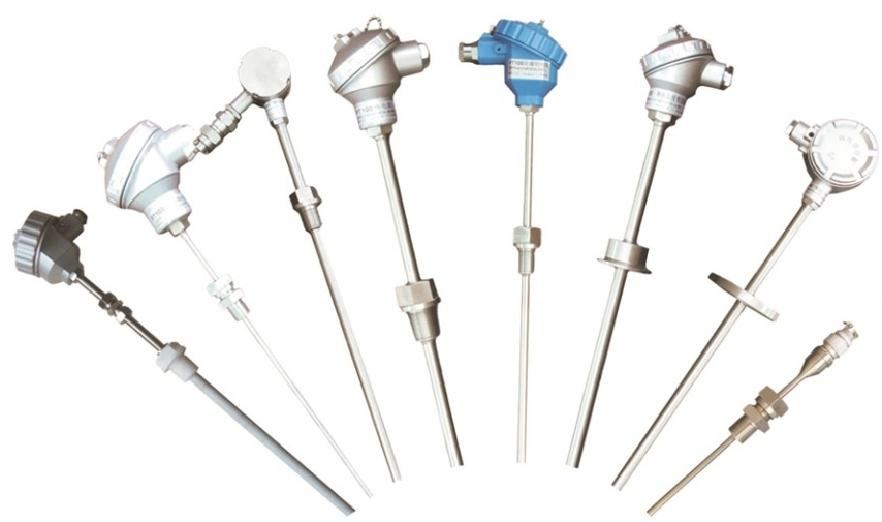
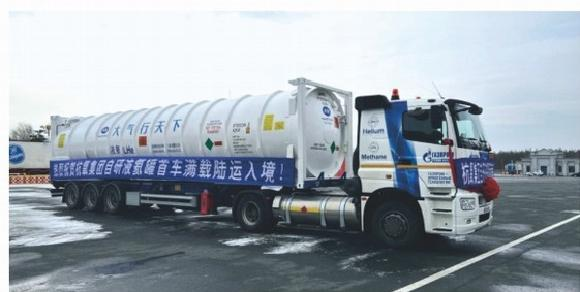

Bi-directional Metal Hard Seal Ball Valve
Henan Quanshun Flow Control Science & Technology Co., Ltd.